
PINACRYPTOL YELLOW
Synonym(s):6-Ethoxy-1-methyl-2-(3-nitro-β-styryl)quinolinium methyl sulfate;DYRK6;FIST3;PKY;YAK1
- CAS NO.:25910-85-4
- Empirical Formula: C20H19N2O3.CH3O4S
- Molecular Weight: 446.48
- MDL number: MFCD00011967
- EINECS: 247-336-6
- SAFETY DATA SHEET (SDS)
- Update Date: 2026-05-28 01:56:05
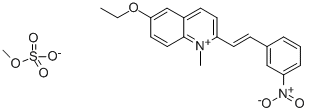
What is PINACRYPTOL YELLOW?
What are the applications of Application
Pinacryptol yellow is a useful dye for gel electrophoresis
General Description
HIPK3 (homeodomain-interacting protein kinase 3) is strongly expressed in the heart and muscle tissues. It is up-regulated in multidrug-resistant cells.
Biochem/physiol Actions
HIPK3 (homeodomain-interacting protein kinase 3) is a nuclear serine/threonine protein kinase and mainly controls death receptor signaling. HIPK3 is involved in the transcriptional corepression, cell differentiation, growth suppression and apoptosis. It is up-regulated in prostate cancer cells, resulting in increased resistance to Fas receptor-mediated apoptosis by disturbing association between FADD (fas-associated death domain) and caspase 8.
Properties of PINACRYPTOL YELLOW
| Melting point: | 260-262 °C(lit.) |
| storage temp. | -70°C |
| form | buffered aqueous glycerol solution |
| color | Light yellow to Amber to Dark green |
| BRN | 3881592 |
| CAS DataBase Reference | 25910-85-4(CAS DataBase Reference) |
| EPA Substance Registry System | 6-Ethoxy-1-methyl-2-(m-nitrostyryl)quinolinium methyl sulfate (25910-85-4) |
Safety information for PINACRYPTOL YELLOW
| Signal word | Warning |
| Pictogram(s) |
 Exclamation Mark Irritant GHS07 |
| GHS Hazard Statements |
H315:Skin corrosion/irritation H319:Serious eye damage/eye irritation |
| Precautionary Statement Codes |
P280:Wear protective gloves/protective clothing/eye protection/face protection. P302+P352:IF ON SKIN: wash with plenty of soap and water. P305+P351+P338:IF IN EYES: Rinse cautiously with water for several minutes. Remove contact lenses, if present and easy to do. Continuerinsing. P332+P313:IF SKIN irritation occurs: Get medical advice/attention. P337+P313:IF eye irritation persists: Get medical advice/attention. |
Computed Descriptors for PINACRYPTOL YELLOW
| InChIKey | ZXQHSPWBYMLHLB-BXTVWIJMSA-M |
New Products
5-bromo-4-fluoro-2-nitrobenzaldehyde Cyclobutanone (R)-(-)-2-Amino-1-propanol Fmoc-OSu 1-(2-Chloroethyl)pyrrolidine Hydrochloride 2-Amino-2-(4-methylphenyl)acetic acid 2,4-Dihydroxybenzaldehyde Obidoxime hydrochloride API Pyrrolo[1,2-a]pyrimidine-6-carboxylic acid, 4,6,7,8-tetrahydro-4-oxo-, sodium salt (1:1), (6S) Dipropyl disulfide 4 pentyn 1 ol N-Vinylformamide Methacrylate-PEG-Methacrylate, Mn:35000 2,4-Dihydroxyacetophenone 2-Chloro 5-Fluoro Pyridine Vasicinone 2-Chloroisonicotinic Acid Tween 80 or Polysorbate 80 2-Butyn-1-oL 2-Pentyn-1-oL 4-Nitrobenzotrifluoride N-(4-Cyano-3-(trifluoromethyl)phenyl)-2-methyloxirane-2-carboxamide N-(4-fluoro-2-methoxy-5-nitrophenyl)-4-(1-methyl-1H-indol-3-yl)pyrimidin-2-amine Pirtobrutinib intd.Related products of tetrahydrofuran
![3-[(E)-2-PYRIDIN-2-YLVINYL]ANILINE](https://img.chemicalbook.in/CAS/GIF/176034-12-1.gif)

You may like
-
 Pinakryptol Yellow CAS 25910-85-4View Details
25910-85-4 -
HIPK3 (163-562), active, His tagged human CASView Details
-
7250-67-1 1-(2-Chloroethyl)pyrrolidine Hydrochloride 98+View Details
7250-67-1 -
545445-44-1 3-Morpholino-1-(4-(2-oxopiperidin-1-yl) phenyl)-5,6-dihyropyridin-2-(1H)-one 98%View Details
545445-44-1 -
6629-04-5 98%View Details
6629-04-5 -
4-(4-Αminophenyl)-3-Morpholinone 98%View Details
438056-69-0 -
1-(4-Aminophenyl)-3-morpholino-5,6-dihydropyridin-2(1H)-one 1267610-26-3 98%View Details
1267610-26-3 -
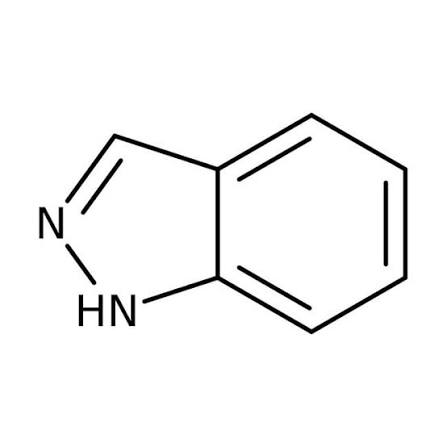 1H-Indazole | CAS No. 271-44-3 | Pharmaceutical IntermediateView Details
271-44-3
Statement: All products displayed on this website are only used for non medical purposes such as industrial applications or scientific research, and cannot be used for clinical diagnosis or treatment of humans or animals. They are not medicinal or edible.