
D-Aminolevulinicacidmethylesterhydrochloride
- CAS NO.:33320-16-0
- Empirical Formula: C6H12ClNO3
- Molecular Weight: 181.61738
- MDL number: MFCD08277630
- SAFETY DATA SHEET (SDS)
- Update Date: 2026-05-11 16:31:51
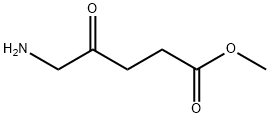
What is D-Aminolevulinicacidmethylesterhydrochloride?
Absorption
In vitro, after 24 hours the mean cumulative absorption through human skin was 0.26% of the administered dose.
Toxicity
The severity of local phototoxic reactions such as erythema, pain and burning sensation may increase in case of prolonged application time or very high light intensity.
Background
Methyl aminolevulinate is a prodrug that is metabolised to Protoporphyrin IX (a photosensitizer) used in photodynamic therapy.
Indications
For topical use, in combination with 570 to 670 nm wavelength red light illumination, in the treatment of non-hyperkeratotic actinic keratoses of the face and scalp in immunocompetent patients when used in conjunction with lesion preparation (debridement using a sharp dermal curette).
Definition
ChEBI: The methyl ester of 5-aminolevulinic acid. A prodrug, it is metabolised to protoporphyrin IX, a photosensitizer, and is used in the photodynamic treatment of non-melanoma skin cancer (including basal cell carcinoma). Topical application (often as the hydro hloride salt) results in an accumulation of protoporphyrin IX in the skin lesions to which the cream has been applied. Subsequent illumination with red light results in the generation of toxic singlet oxygen that destroys cell membranes and thereby kills t e tumour cells.
Pharmacokinetics
After topical application of methyl aminolevulinate, porphyrins will accumulate intracellularly in the treated skin lesions. The intracellular porphyrins (including PpIX) are photoactive, fluorescing compounds and, upon light activation in the presence of oxygen, singlet oxygen is formed which causes damage to cellular compartments, in particular the mitochondria. Light activation of accumulated porphyrins leads to a photochemical reaction and thereby phototoxicity to the light-exposed target cells.
Metabolism
Not Available
Safety information for D-Aminolevulinicacidmethylesterhydrochloride
New Products
3-AMINO-3-(2-FLUORO-PHENYL)-PROPIONIC ACID Pentadecanoic acid Hendecanoic acid 2-AMINO-3-METHYLQUINOLINE HYDROCHLORIDE 3-Hydroxypropionitrile DL-3-Amino-3-(2-methoxyphenyl)propionic acid 5-Bromo-2-Fluoropyridine 2,3-Diamino-5-Chloropyridine 2-Amino-3-Hydroxypyridine 2,6-Diamino Pyridine 4-Amino-2-Chloropyridine 2-Hydroxy-4-Picoline 4-(4-(Dimethylamino)-1-(4-fluorophenyl)-1-hydroxybutyl)-3-(hydroxymethyl)benzonitrile 4-Bromo-3-(ethoxymethyl)benzoic acid 2,4-Dichloro-5-methoxyaniline 4,6-Dichloro-2-(propylthio)pyrimidin-5-amine N2-Isobutyryl-2'-O-methylguanosine 2-chloro-5-methylpyridin-4-amine 4-Bromobenzaldehyde 2-Chloro-6-nitro benzothiazole 2-Amino-4-phenyl-thiazole 4-Chloro-2-methyl quinoline 2-(Chloromethyl) quinazolin-4(3H)-one 5-Phenyl-[1,3,4]-thiadiazol-2-amineYou may like
-
 2-Bromo-4-nitropyridine-N-oxide 52092-43-0 98%View Details
52092-43-0 -
18979-61-8 98%View Details
18979-61-8 -
4, 4'-Ditolylamine (or) 4,4-Dimethyl Diphenylamine 620-93-9 98%View Details
620-93-9 -
2-Bromo-5-Chloropyridine 98%View Details
40473-01-6 -
2-Picolinic acid N-oxide 824-40-8 98%View Details
824-40-8 -
15862-34-7 5-Bromo-2-Hydroxy-3-Nitro Pyridine 98%View Details
15862-34-7 -
2-(2,4-Diaminophenoxy)ethanol Dihydrochloride 98%View Details
66422-95-5 -
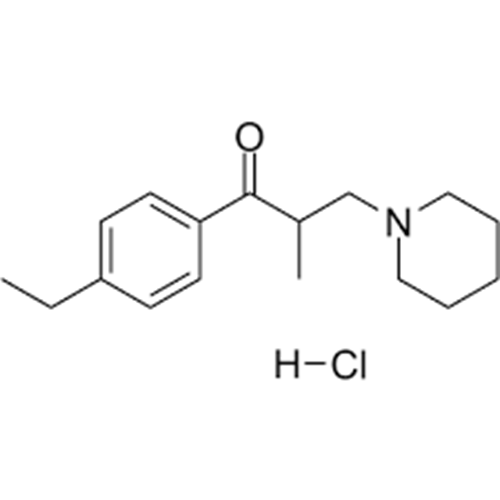 Eperisone Hydrochloride APIView Details
56839-43-1