
6-Methylquinoline
Synonym(s):p-Toluquinoline;NSC 4152
- CAS NO.:91-62-3
- Empirical Formula: C10H9N
- Molecular Weight: 143.19
- MDL number: MFCD00006804
- EINECS: 202-084-6
- SAFETY DATA SHEET (SDS)
- Update Date: 2026-05-28 04:10:48
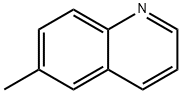
What is 6-Methylquinoline?
Chemical properties
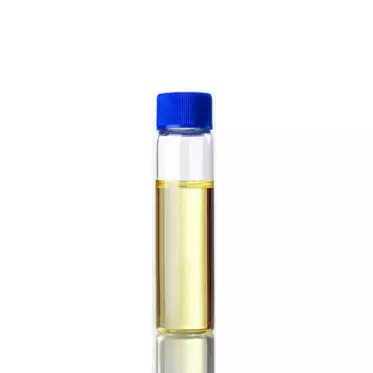
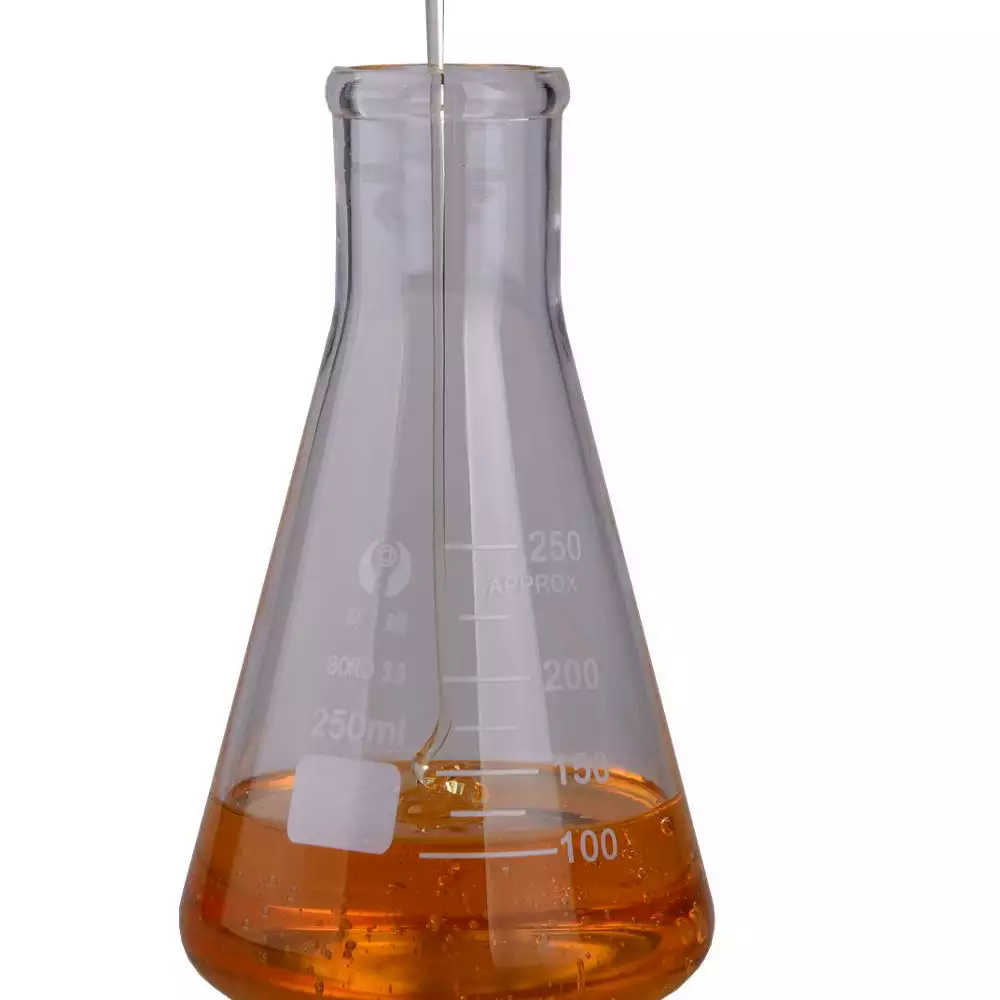
6-Methylquinoline is a clear light yellow to light orange liquid that has a pungent, heavy odor. dissolved in 4 volumes of 50% ethanol or 60% ethanol of the same volume and in oily fragrances. May be synthesized from p-amino-benzaldehyde and acetone.
Occurrence
Reported found in Finnish and Japanese whiskey.
The Uses of 6-Methylquinoline
6-Methylquinoline can be used as primary carbon source in culture of Pseudomonas putida QP1. 6-Methylquinoline was used in the synthesis of fluorescent halide-sensitive quinolinium dyes and fluorescent probes for determination of chloride in biological systems.
What are the applications of Application
6-Methylquinoline, is a building block used for the synthesis of various pharmaceutical compounds, and biologically active compounds. It can be used for the preparation of pyranobenzopyrone compounds, having anti-norovirus activity.
Definition
ChEBI: 6-methylquinoline is a member of quinolines.
General Description
Clear pale yellow liquid or oil with a quinoline odor.
Air & Water Reactions
Insoluble in water.
Reactivity Profile
6-Methylquinoline is sensitive to prolonged exposure to light. May react vigorously with strong oxidizing agents and strong acids . Neutralizes acids in exothermic reactions to form salts plus water. May be incompatible with isocyanates, halogenated organics, peroxides, phenols (acidic), epoxides, anhydrides, and acid halides. Flammable gaseous hydrogen may be generated in combination with strong reducing agents, such as hydrides.
Fire Hazard
6-Methylquinoline is probably combustible.
Biochem/physiol Actions
6-Methylquinoline undergoes biodegradation by quinoline-degrading culture of Pseudomonas putida.
Synthesis
6-Methylquinoline is obtain from coal tar, by synthesis from p-aminobenzaldehyde and acetone.
Purification Methods
Reflux it with BaO, then fractionally distil it. Further purified it via its recrystallised ZnCl2 complex (m 190o). [Cumper et al. J Chem Soc 1176 1962, Beilstein 20 III/IV 3498, 20/7 V 400.]
Properties of 6-Methylquinoline
| Melting point: | -22°C |
| Boiling point: | 256-260 °C (lit.) |
| Density | 1.067 g/mL at 20 °C (lit.) |
| vapor density | >1 (vs air) |
| refractive index | n |
| FEMA | 2744 | 6-METHYLQUINOLINE |
| Flash point: | >230 °F |
| storage temp. | Store below +30°C. |
| solubility | Chloroform (Slightly), Methanol (Slightly) |
| form | Liquid |
| pka | 5.21±0.10(Predicted) |
| Specific Gravity | 1.07 |
| color | green-yellow |
| Odor | blossom odor, sweet, animalic upon dilution |
| Water Solubility | Not miscible or difficult to mix with water. |
| Sensitive | Light Sensitive |
| JECFA Number | 1302 |
| BRN | 110336 |
| CAS DataBase Reference | 91-62-3(CAS DataBase Reference) |
| NIST Chemistry Reference | Quinoline, 6-methyl-(91-62-3) |
| EPA Substance Registry System | 6-Methylquinoline (91-62-3) |
Safety information for 6-Methylquinoline
| Signal word | Warning |
| Pictogram(s) |
 Exclamation Mark Irritant GHS07 |
| GHS Hazard Statements |
H302:Acute toxicity,oral H315:Skin corrosion/irritation |
| Precautionary Statement Codes |
P264:Wash hands thoroughly after handling. P264:Wash skin thouroughly after handling. P270:Do not eat, drink or smoke when using this product. P280:Wear protective gloves/protective clothing/eye protection/face protection. P301+P312:IF SWALLOWED: call a POISON CENTER or doctor/physician IF you feel unwell. P302+P352:IF ON SKIN: wash with plenty of soap and water. P332+P313:IF SKIN irritation occurs: Get medical advice/attention. |
Computed Descriptors for 6-Methylquinoline
6-Methylquinoline manufacturer
New Products
2-Bromo-4-hydroxypyridine Dibenzoyl-L-tartaric acid Anhydrous (Resolution Reagent) Dibenzo[b,f][1,4]thiazepin-11(10H)-one 1,2,3,9-Tetrahydro-9-Methyl-4H-Carbazole-4-One Cis-Tosylate 1-(4-methoxyphenyl)-4-(4-Nitrophenyl)Piperazine (IT-1) 2'-Fluoroacetophenone 1-aminocyclobutanecarbonitrile hydrochloride AMINO-O-TOLYL-ACETIC ACID N-Methyl-2-amino-2-methylpropionamide 4-(FMOC-AMINO)-TETRAHYDROPYRAN-4-CARBOXYLIC ACID 1-Aminocyclobutanecarboxylic Acid Hydrochloride METHANOL-D1(OD) TERTIARY BUTANOL-D9 N-ETHYL-D5-AMINE HYDROCHLORIDE BENZOIC ACID-D CHLOROFORM-D TOLUENE-D3 2-(2-Bromophenyl)ethanol Boc-D-Glu(OMe)-OMe 2,5 Dibromopyridine Ethyl 4-hydroxy-3-oxobutanoate Dimethyl (2S)-2-((tert-butoxycarbonyl)amino)-4-(cyanomethyl)pentanedioate 1-(3-Chlorophenyl)piperazine hydrochlorideRelated products of tetrahydrofuran


You may like
-
 6-Methylquinoline 99%View Details
91-62-3 -
 6-Methylquinoline 91-62-3 99%View Details
91-62-3 -
 91-62-3 6-Methylquinoline 98%View Details
91-62-3 -
 6-Methylquinoline CAS 91-62-3View Details
91-62-3 -
6-Methylquinoline CAS 91-62-3View Details
91-62-3 -
98071-16-0 1-Aminocyclobutanecarboxylic Acid Hydrochloride 98+View Details
98071-16-0 -
 ADC-151View Details
27176-87-0 -
 Nickel Acetate | Eastmen Chemicals - Manufacturer, Supplier, Exporter metallic saltsView Details