
2,4-Lutidine
Synonym(s):2,4-Dimethylpyridine
- CAS NO.:108-47-4
- Empirical Formula: C7H9N
- Molecular Weight: 107.15
- MDL number: MFCD00006337
- EINECS: 203-586-8
- SAFETY DATA SHEET (SDS)
- Update Date: 2026-06-24 18:39:39
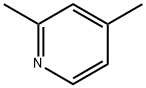
What is 2,4-Lutidine?
Chemical properties
Clear pale yellow liquid, discoloring over time
Chemical properties
Colorless to pale-yellow clear liquid.
The Uses of 2,4-Lutidine
2,4-Lutidine, can be used as a building block in the synthesis of various chemical compounds. It is also used tobacco and aroma component.
Definition
ChEBI: 2,4-Dimethylpyridine is a member of methylpyridines.
Aroma threshold values
High strength odor, recommend smelling in a 0.01% solution or less.
Purification Methods
Dry it with Linde type 5A molecular sieves, BaO or sodium, and fractionally distil it. The distillate (200g) is heated with *benzene (500mL) and conc HCl (150mL) in a Dean and Stark apparatus on a water bath until water no longer separates, and the temperature just below the liquid reaches 80o. When cold, the supernatant *benzene is decanted, and the 2,4-lutidine hydrochloride, after washing with a little *benzene, is dissolved in water (350mL). After removing any *benzene by steam distillation, an aqueous solution of NaOH (80g) is added, and the free lutidine is steam distilled. It is isolated by saturating the distillate with solid NaOH and distilling it through a short column. The precipitation cycle is repeated, then the final distillate is partly frozen in an apparatus at -67.8-68.5o (cooled by acetone/CO2). The crystals are collected, then melted and distilled. [Kyte et al. J Chem Soc 4454 1960.] Alternative purifications are via the picrate m 183-184o (from H2O). [Clarke & Rothwell J Chem Soc 1885 1960], or the hydrobromide [Warnhoff J Org Chem 27 4587 1962]. The latter is precipitated from a solution of lutidine in *benzene by passing dry HBr gas: the salt is recrystallised from CHCl3/methyl ethyl ketone, then decomposed with NaOH, and the free base is extracted into Et2O, dried, evaporated and the residue is distilled. [Beilstein 20 H 244, 20 II 180, 20 III/IV 2718, 20/6 V 19.]
Properties of 2,4-Lutidine
| Melting point: | -60 °C (lit.) |
| Boiling point: | 159 °C (lit.) |
| Density | 0.927 g/mL at 25 °C (lit.) |
| vapor pressure | 3.28hPa at 25℃ |
| refractive index | n |
| FEMA | 4389 | 2,4-DIMETHYLPYRIDINE |
| Flash point: | 99 °F |
| storage temp. | Flammables area |
| solubility | 350g/l |
| form | Liquid |
| pka | 6.99(at 25℃) |
| color | Colorless to Light yellow to Light orange |
| Odor | at 0.01 % in dipropylene glycol. smoky phenolic |
| Water Solubility | 15 g/100 mL (20 ºC) |
| Sensitive | Hygroscopic |
| JECFA Number | 2151 |
| BRN | 1506 |
| Dielectric constant | 9.5999999999999996 |
| CAS DataBase Reference | 108-47-4(CAS DataBase Reference) |
| NIST Chemistry Reference | Pyridine, 2,4-dimethyl-(108-47-4) |
| EPA Substance Registry System | 2,4-Dimethylpyridine (108-47-4) |
Safety information for 2,4-Lutidine
| Signal word | Danger |
| Pictogram(s) |
 Flame Flammables GHS02  Skull and Crossbones Acute Toxicity GHS06 |
| GHS Hazard Statements |
H226:Flammable liquids H315:Skin corrosion/irritation H319:Serious eye damage/eye irritation H335:Specific target organ toxicity, single exposure;Respiratory tract irritation |
| Precautionary Statement Codes |
P210:Keep away from heat/sparks/open flames/hot surfaces. — No smoking. P280:Wear protective gloves/protective clothing/eye protection/face protection. P301+P310:IF SWALLOWED: Immediately call a POISON CENTER or doctor/physician. P303+P361+P353:IF ON SKIN (or hair): Remove/Take off Immediately all contaminated clothing. Rinse SKIN with water/shower. P305+P351+P338:IF IN EYES: Rinse cautiously with water for several minutes. Remove contact lenses, if present and easy to do. Continuerinsing. |
Computed Descriptors for 2,4-Lutidine
| InChIKey | JYYNAJVZFGKDEQ-UHFFFAOYSA-N |
New Products
2-Bromo-4-hydroxypyridine Dibenzoyl-L-tartaric acid Anhydrous (Resolution Reagent) Dibenzo[b,f][1,4]thiazepin-11(10H)-one 1,2,3,9-Tetrahydro-9-Methyl-4H-Carbazole-4-One Cis-Tosylate 1-(4-methoxyphenyl)-4-(4-Nitrophenyl)Piperazine (IT-1) 2'-Fluoroacetophenone 1-aminocyclobutanecarbonitrile hydrochloride AMINO-O-TOLYL-ACETIC ACID N-Methyl-2-amino-2-methylpropionamide 4-(FMOC-AMINO)-TETRAHYDROPYRAN-4-CARBOXYLIC ACID 1-Aminocyclobutanecarboxylic Acid Hydrochloride METHANOL-D1(OD) TERTIARY BUTANOL-D9 N-ETHYL-D5-AMINE HYDROCHLORIDE BENZOIC ACID-D CHLOROFORM-D TOLUENE-D3 2-(2-Bromophenyl)ethanol Boc-D-Glu(OMe)-OMe 2,5 Dibromopyridine Ethyl 4-hydroxy-3-oxobutanoate Dimethyl (2S)-2-((tert-butoxycarbonyl)amino)-4-(cyanomethyl)pentanedioate 1-(3-Chlorophenyl)piperazine hydrochlorideRelated products of tetrahydrofuran
You may like
-
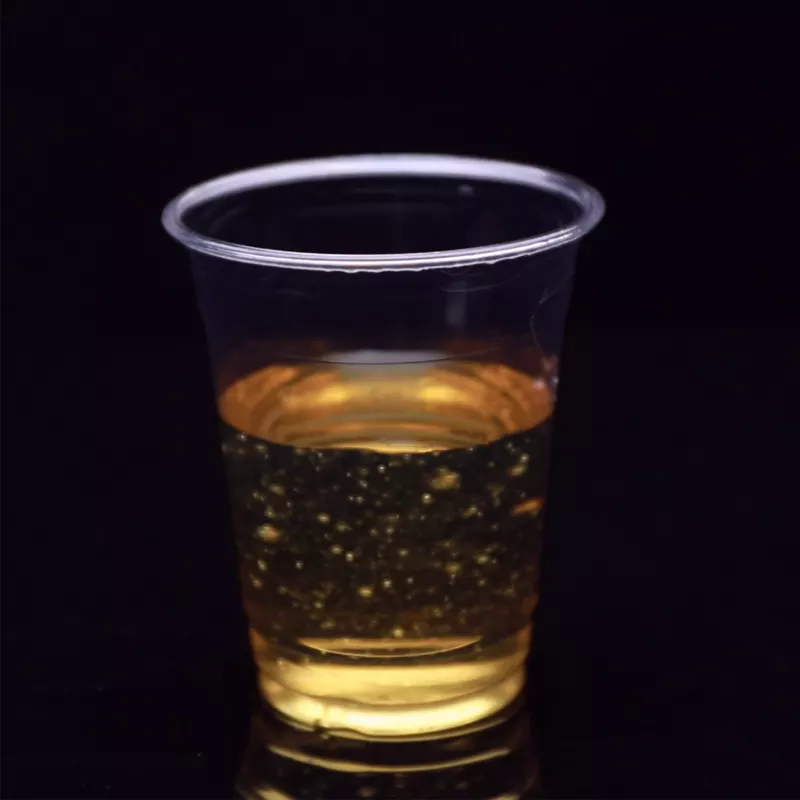 2,4 Lutidine 108-47-4 98%View Details
108-47-4 -
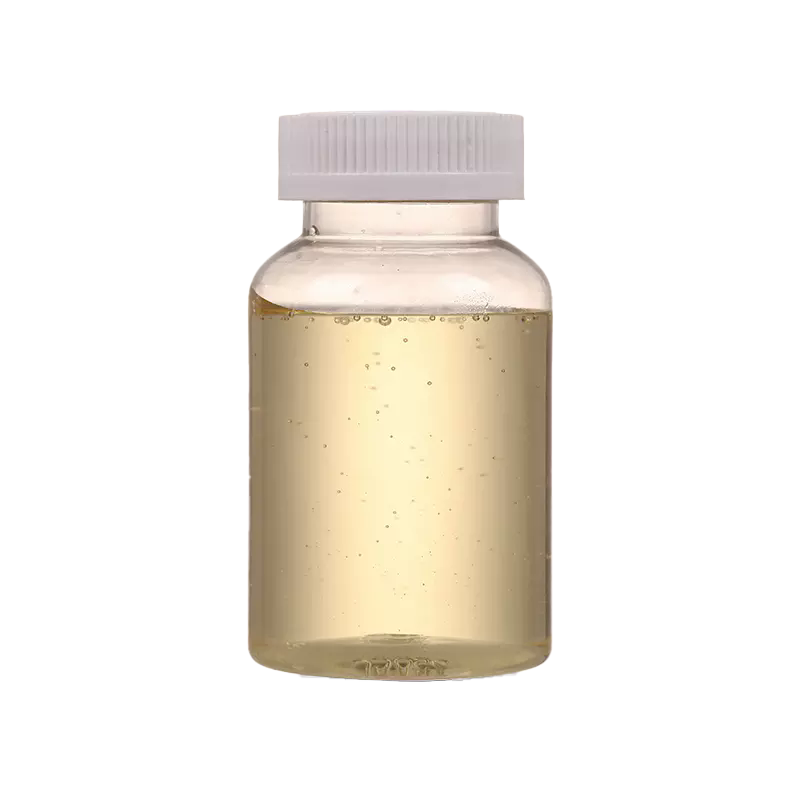 108-47-4 98%View Details
108-47-4 -
 Lutidine. 99%View Details
 -
2,4-Lutidine, 98% 108-47-4 99%View Details
108-47-4 -
2,4-Lutidine CAS 108-47-4View Details
108-47-4 -
2,4-Lutidine CAS 108-47-4View Details
108-47-4 -
 ADC-151View Details
27176-87-0 -
 Nickel Acetate | Eastmen Chemicals - Manufacturer, Supplier, Exporter metallic saltsView Details