
Vitamin E calcium succinate
- CAS NO.:14638-18-7
- Empirical Formula: C29H50O2
- Molecular Weight: 430.71
- MDL number: MFCD00066529
- EINECS: 218-197-9
- SAFETY DATA SHEET (SDS)
- Update Date: 2026-05-28 00:55:25
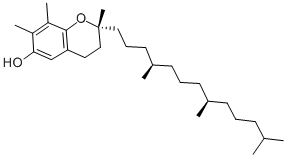
What is Vitamin E calcium succinate?
The Uses of Vitamin E calcium succinate
Vitamin E is a fat-soluble vitamin also known as tocopherol or progesterone. It belongs to the class of phenolic compounds and is one of the most important antioxidants. It has the functions of anti-oxidation, promoting protein renewal and synthesis, and regulating platelet adhesion and aggregation.
What are the applications of Application
Vitamin E calcium succinate belongs to tocopherol succinate calcium salt, which is widely used and has the following outstanding effects:
1. Promote the absorption of VA and fat, improve the nutritional supply of the body, and strengthen the muscles Biological characteristics such as the absorption and utilization of nutrients by cells.
2. It can effectively delay aging, and at the same time, due to its promoting effect on nucleic acid metabolism, it can effectively eliminate oxygen free radicals in the body, maintain the vigorous functions of various organs, and play the role of delaying aging and prolonging life.
3. It has preventive and therapeutic effects on muscle atrophy, cardiovascular disease, infertility and miscarriage caused by VE deficiency.
4. Natural VE has a very good effect on menopausal disorders, autonomic disorders and high cholesterol, and can prevent anemia and effectively protect life.
Source
Natural vitamin E is mainly found in fruits and vegetables, nuts, lean meat, dairy, eggs, and pressed vegetable oils.
1. Fruits and vegetables: kiwi, spinach, cabbage, cauliflower, kale, lettuce, sweet potato, yam.
2. Nuts: almonds, hazelnuts and walnuts.
3. Pressed vegetable oils: sunflower seeds, sesame, corn, olives, peanuts, camellia, etc.
In addition, safflower, soybean, cottonseed, wheat germ, and cod liver oil all have a certain content of vitamin E, and the most abundant is wheat germ.
Safety information for Vitamin E calcium succinate
| Signal word | Danger |
| Pictogram(s) |
 Corrosion Corrosives GHS05  Exclamation Mark Irritant GHS07 |
| GHS Hazard Statements |
H314:Skin corrosion/irritation |
| Precautionary Statement Codes |
P260:Do not breathe dust/fume/gas/mist/vapours/spray. P264:Wash hands thoroughly after handling. P264:Wash skin thouroughly after handling. P270:Do not eat, drink or smoke when using this product. P271:Use only outdoors or in a well-ventilated area. P280:Wear protective gloves/protective clothing/eye protection/face protection. P301+P330+P331:IF SWALLOWED: Rinse mouth. Do NOT induce vomiting. P303+P361+P353:IF ON SKIN (or hair): Remove/Take off Immediately all contaminated clothing. Rinse SKIN with water/shower. P405:Store locked up. |
New Products
5-bromo-4-fluoro-2-nitrobenzaldehyde Cyclobutanone (R)-(-)-2-Amino-1-propanol Fmoc-OSu 1-(2-Chloroethyl)pyrrolidine Hydrochloride 2-Amino-2-(4-methylphenyl)acetic acid 2,4-Dihydroxybenzaldehyde Obidoxime hydrochloride API Pyrrolo[1,2-a]pyrimidine-6-carboxylic acid, 4,6,7,8-tetrahydro-4-oxo-, sodium salt (1:1), (6S) Dipropyl disulfide 4 pentyn 1 ol N-Vinylformamide Methacrylate-PEG-Methacrylate, Mn:35000 2,4-Dihydroxyacetophenone 2-Chloro 5-Fluoro Pyridine Vasicinone 2-Chloroisonicotinic Acid Tween 80 or Polysorbate 80 2-Butyn-1-oL 2-Pentyn-1-oL 4-Nitrobenzotrifluoride N-(4-Cyano-3-(trifluoromethyl)phenyl)-2-methyloxirane-2-carboxamide N-(4-fluoro-2-methoxy-5-nitrophenyl)-4-(1-methyl-1H-indol-3-yl)pyrimidin-2-amine Pirtobrutinib intd.Related products of tetrahydrofuran


You may like
-
 7250-67-1 1-(2-Chloroethyl)pyrrolidine Hydrochloride 98+View Details
7250-67-1 -
7250-67-1 1-(2-Chloroethyl)pyrrolidine Hydrochloride 98+View Details
7250-67-1 -
13227-01-5 98+View Details
13227-01-5 -
545445-44-1 3-Morpholino-1-(4-(2-oxopiperidin-1-yl) phenyl)-5,6-dihyropyridin-2-(1H)-one 98%View Details
545445-44-1 -
6629-04-5 98%View Details
6629-04-5 -
4-(4-Αminophenyl)-3-Morpholinone 98%View Details
438056-69-0 -
1-(4-Aminophenyl)-3-morpholino-5,6-dihydropyridin-2(1H)-one 1267610-26-3 98%View Details
1267610-26-3 -
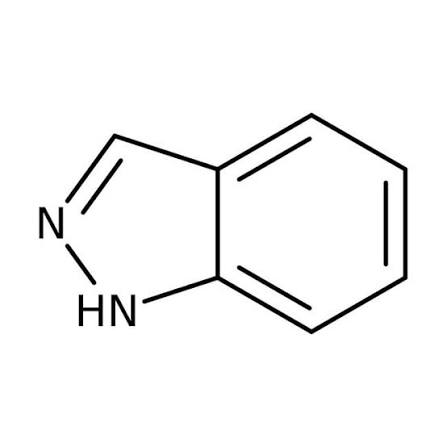 1H-Indazole | CAS No. 271-44-3 | Pharmaceutical IntermediateView Details
271-44-3