
Reduced Coenzyme Q10
- CAS NO.:992-78-9
- Empirical Formula: C59H92O4
- Molecular Weight: 865.36
- MDL number: MFCD11973816
- EINECS: 202-860-4
- SAFETY DATA SHEET (SDS)
- Update Date: 2026-09-07 16:58:08

What is Reduced Coenzyme Q10?
Description
Ubiquinol is a reduced form of coenzyme Q10 (CoQ10; ), which exists in three redox states: fully oxidized (CoQ10/ubiquinone), partially reduced (semiquinone/ubisemiquinone), and fully reduced (ubiquinol). CoQ10 acts as an electron shuttle in the electron transport chain via its reduction to ubiquinol between mitochondrial complexes I and II, also known as NADH dehydrogenase and succinate dehydrogenase, respectively, and mitochondrial complex III, also known as cytochrome bc1 complex. CoQ10 is also reduced to ubiquinol by ferroptosis suppressor protein 1 (FSP1) with NADPH as a cofactor, and ubiquinol traps lipid peroxyl radicals and inhibits lipid peroxidation helping to prevent ferroptosis.
Chemical properties
Light Yellow-Orange Solid
The Uses of Reduced Coenzyme Q10
Reduced coenzyme Q for improving nervous system cell functions
The Uses of Reduced Coenzyme Q10
Reduced coenzyme Q for improving nervous system cell functions.
What are the applications of Application
Ubiquinol is A reduced coenzyme Q used for improving nervous system cell functions
Background
Ubiquinol (CoQH2) is a reduced form of coenzyme Q10 (CoQ10) that acts as an active antioxidant that prevents the initiation and propagation of lipid peroxidation in biological membranes and human low-density lipoprotein (LDL). It plays an essential role in maintaining cellular defense against oxidative damage and also sustains the effects of vitamin E by regenerating the vitamin from the tocopheroxyl radical, but ubiquinol is not classified as a vitamin because it is synthesized by humans. There are varying concentrations of ubiquinol in foods, OTC products and dietary supplement products.
Definition
ChEBI: Ubiquinol-10 is a ubiquinol in which the polyprenyl substituent is decaprenyl. It has a role as a metabolite and a biomarker. It is a polyprenylhydroquinone and an ubiquinol.
Benefits
The reduced form of CoQ10, ubiquinol, is a powerful lipid-soluble antioxidant that provides critical antioxidant protection in the lymph and blood throughout the body. Ubiquinol is the only known fat-soluble antioxidant that human cells can synthesize. In its reduced form, ubiquinol coenzyme Q10 plays a significant role in preventing oxidation in both the lipids that make up much of the structure of cellular membranes in cells throughout the body and also in lipoprotein lipids present in circulation. Coenzyme Q10 can also recycle or regenerate other antioxidants such as vitamin E7 and vitamin C. Ubiquinol plays a critical role in mitochondria by protecting mitochondrial membranes and mitochondrial DNA (mtDNA) from free radical damage[1].
Side Effects
Coenzyme Q10 supplements appear to be safe and produce few side effects when taken as directed. Mild side effects might include digestive problems such as: Upper abdominal pain, Loss of appetite, Nausea and vomiting, and Diarrhea.
Other possible side effects may include Headaches and dizziness, Insomnia, Fatigue, Skin itching or rashes, and Irritability or agitation.
Metabolism
Not Available
References
[1] Pelton, Ross. “Coenzyme Q10: A Miracle Nutrient Advances in Understanding.” Integrative medicine 19 2 (2020): 16–20.
Properties of Reduced Coenzyme Q10
| Melting point: | 48-49°C |
| Boiling point: | 866.9±65.0 °C(Predicted) |
| Density | 0.951±0.06 g/cm3(Predicted) |
| storage temp. | Amber Vial, -20°C Freezer, Under Inert Atmosphere |
| solubility | Chloroform: soluble |
| form | A crystalline solid |
| pka | 10.53±0.50(Predicted) |
Safety information for Reduced Coenzyme Q10
Computed Descriptors for Reduced Coenzyme Q10
| InChIKey | QNTNKSLOFHEFPK-UPTCCGCDSA-N |
| SMILES | C1(O)=C(OC)C(OC)=C(O)C(C)=C1C/C=C(\C)/CC/C=C(\C)/CC/C=C(\C)/CC/C=C(\C)/CC/C=C(\C)/CC/C=C(\C)/CC/C=C(\C)/CC/C=C(\C)/CC/C=C(\C)/CC/C=C(/C)\C |
New Products
5-bromo-4-fluoro-2-nitrobenzaldehyde (R)-(-)-2-Amino-1-propanol Cyclobutanone Fmoc-OSu 1-(2-Chloroethyl)pyrrolidine Hydrochloride 2-Amino-2-(4-methylphenyl)acetic acid β-Bromostyrene Ethyl 3-phenylpropanoate Phenethyl cinnamate Dipropyl disulfide 4 pentyn 1 ol N-Vinylformamide Methacrylate-PEG-Methacrylate, Mn:35000 2,4-Dihydroxyacetophenone 2-Chloro 5-Fluoro Pyridine Vasicinone 2-Chloroisonicotinic Acid Tween 80 or Polysorbate 80 2-Butyn-1-oL 2-Pentyn-1-oL 4-Nitrobenzotrifluoride N-(4-fluoro-2-methoxy-5-nitrophenyl)-4-(1-methyl-1H-indol-3-yl)pyrimidin-2-amine Pirtobrutinib intd. N-(4-Cyano-3-(trifluoromethyl)phenyl)-2-methyloxirane-2-carboxamideRelated products of tetrahydrofuran

You may like
-
 Ubiquinol (reduced Coenzyme Q10) 97.00% CAS 992-78-9View Details
992-78-9 -
Ubiquinol solution CAS 992-78-9View Details
992-78-9 -
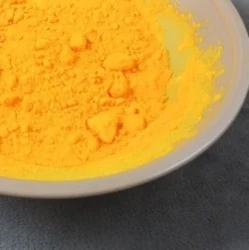 Coenzyme Q10 Ubiquinol Powder, IPView Details
992-78-9 -
7250-67-1 1-(2-Chloroethyl)pyrrolidine Hydrochloride 98+View Details
7250-67-1 -
7250-67-1 1-(2-Chloroethyl)pyrrolidine Hydrochloride 98+View Details
7250-67-1 -
13227-01-5 98+View Details
13227-01-5 -
7250-67-1 1-(2-Chloroethyl)pyrrolidine Hydrochloride 98+View Details
7250-67-1 -
13227-01-5 98+View Details
13227-01-5