
trans-2-Octenoic acid
- CAS NO.:1871-67-6
- Empirical Formula: C8H14O2
- Molecular Weight: 142.2
- MDL number: MFCD00002706
- EINECS: 217-491-4
- SAFETY DATA SHEET (SDS)
- Update Date: 2026-09-12 18:54:08
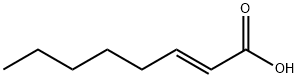
What is trans-2-Octenoic acid?
Chemical properties
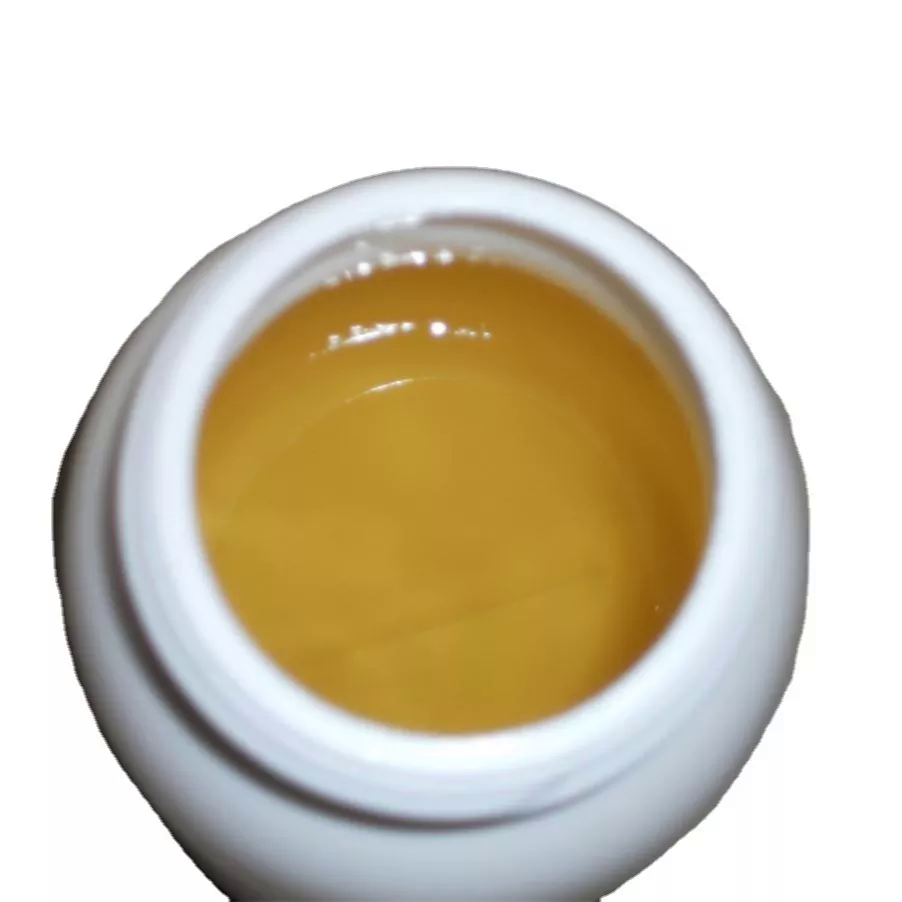
CLEAR COLOURLESS TO SLIGHTLY YELLOW LIQUID
The Uses of trans-2-Octenoic acid
Trans-2-octenoic acid has found a little use in perfumery as a trace ingredient in artificial essential oils, etc. It has been suggested for use in flavor compositions, but at this time (Oct. 1968) it has not yet been listed as G.R.A.S. by the American authorities. It could probably be used in imitation Cheese, Butter, Nut, Butterscotch compositions, etc.
Definition
ChEBI: An olefinic fatty acid that is octanoic acid carrying a double bond at position 2 (the 2E-isomer).
Production Methods
Trans-2-octenoic acid can be produced 1) from Hexaldehyde by the Dobner reaction. 2) by regulated hydrogenation of 2-Octynoic acid.
Synthesis Reference(s)
Tetrahedron Letters, 31, p. 4719, 1990 DOI: 10.1016/S0040-4039(00)97715-3
Properties of trans-2-Octenoic acid
| Melting point: | 5-6 °C (lit.) |
| Boiling point: | 154 °C/22 mmHg (lit.) |
| Density | 0.944 g/mL at 25 °C (lit.) |
| refractive index | n |
| FEMA | 3957 | (E)-2-OCTENOIC ACID |
| Flash point: | >230 °F |
| solubility | Chloroform (Slightly), Ethyl Acetate (Slightly) |
| pka | 4.78±0.10(Predicted) |
| form | clear liquid |
| color | Colorless to Light yellow to Light orange |
| Odor | Relatively powerful, oily-musty odor, in dilution more fruity and pleasant, but unpleasant when undiluted |
| JECFA Number | 1805 |
| BRN | 1721115 |
| Stability: | Light Sensitive |
| CAS DataBase Reference | 1871-67-6(CAS DataBase Reference) |
| EPA Substance Registry System | 2-Octenoic acid, (2E)- (1871-67-6) |
Safety information for trans-2-Octenoic acid
| Signal word | Danger |
| Pictogram(s) |
 Corrosion Corrosives GHS05 |
| GHS Hazard Statements |
H314:Skin corrosion/irritation |
| Precautionary Statement Codes |
P280:Wear protective gloves/protective clothing/eye protection/face protection. P363:Wash contaminated clothing before reuse. P303+P361+P353:IF ON SKIN (or hair): Remove/Take off Immediately all contaminated clothing. Rinse SKIN with water/shower. P305+P351+P338:IF IN EYES: Rinse cautiously with water for several minutes. Remove contact lenses, if present and easy to do. Continuerinsing. P405:Store locked up. |
Computed Descriptors for trans-2-Octenoic acid
New Products
5-bromo-4-fluoro-2-nitrobenzaldehyde (R)-(-)-2-Amino-1-propanol Cyclobutanone Fmoc-OSu 1-(2-Chloroethyl)pyrrolidine Hydrochloride 2-Amino-2-(4-methylphenyl)acetic acid β-Bromostyrene Ethyl 3-phenylpropanoate Phenethyl cinnamate Dipropyl disulfide 4 pentyn 1 ol N-Vinylformamide Methacrylate-PEG-Methacrylate, Mn:35000 2,4-Dihydroxyacetophenone 2-Chloro 5-Fluoro Pyridine Vasicinone 2-Chloroisonicotinic Acid Tween 80 or Polysorbate 80 2-Butyn-1-oL 2-Pentyn-1-oL 4-Nitrobenzotrifluoride N-(4-fluoro-2-methoxy-5-nitrophenyl)-4-(1-methyl-1H-indol-3-yl)pyrimidin-2-amine Pirtobrutinib intd. N-(4-Cyano-3-(trifluoromethyl)phenyl)-2-methyloxirane-2-carboxamideRelated products of tetrahydrofuran


You may like
-
 1871-67-6 2-OCTENOIC ACID 98%View Details
1871-67-6 -
 trans-2-Octenoic Acid CAS 1871-67-6View Details
1871-67-6 -
Trans-2-octenoic acid 95% CAS 1871-67-6View Details
1871-67-6 -
2-Octenoic acid CAS 1871-67-6View Details
1871-67-6 -
7250-67-1 1-(2-Chloroethyl)pyrrolidine Hydrochloride 98+View Details
7250-67-1 -
13227-01-5 98+View Details
13227-01-5 -
7250-67-1 1-(2-Chloroethyl)pyrrolidine Hydrochloride 98+View Details
7250-67-1 -
13227-01-5 98+View Details
13227-01-5
Statement: All products displayed on this website are only used for non medical purposes such as industrial applications or scientific research, and cannot be used for clinical diagnosis or treatment of humans or animals. They are not medicinal or edible.