
Naphthalene
Synonym(s):Naphthalene
- CAS NO.:91-20-3
- Empirical Formula: C10H8
- Molecular Weight: 128.17
- MDL number: MFCD00001742
- EINECS: 202-049-5
- SAFETY DATA SHEET (SDS)
- Update Date: 2026-08-25 20:17:46
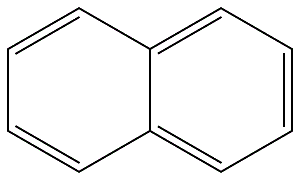
What is Naphthalene?
Description
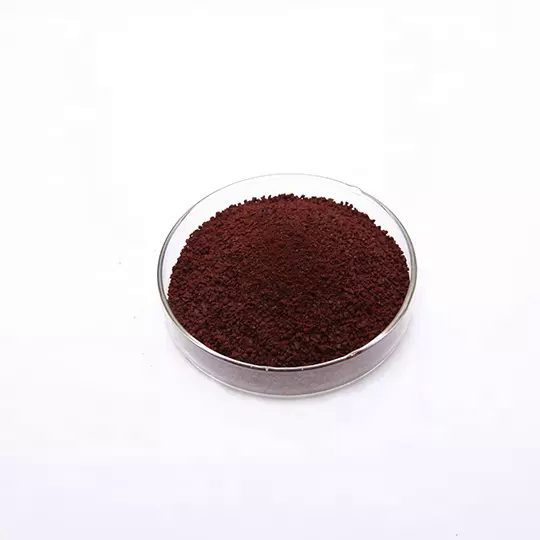
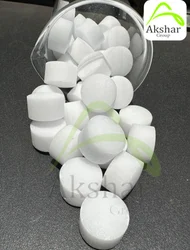
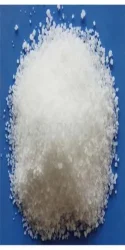
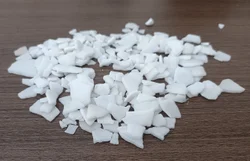
Naphthalene occurs as transparent prismatic plates also available as white scales, powder balls, or cakes with a characteristic mothball or strong coal tar and aromatic odour. It is sparingly soluble in water but soluble in methanol/ethanol and very soluble in ether. The primary use for naphthalene is in the production of phthalic anhydride, also of carbamate insecticides, surface active agents and resins, as a dye intermediate, as a synthetic tanning agent, as a moth repellent, and in miscellaneous organic chemicals.
Chemical properties
Naphthalene is a colorless to brown crystalline solid with a characteristic “moth ball” odor. It evaporates easily and has a strong odor of tar or mothballs. Solubility in water is low (31.7 mg/l at 25 °C), and it is soluble in benzene, alcohol, ether, and acetone (ATSDR, 2005). Shipped as a molten solid.
History
In 1819, naphthalene was obtained as white crystals during the pyrolysis of coal tar by John Kidd (1775–1851), a British physician and chemist, and Alexander Garden (1757–1829), an American living in Britain. Kidd described the properties of the white crystals he obtained from coal tar and proposed the named naphthaline for the substance; naphthaline was derived from naphtha, a general term for a volatile, fl ammable, hydrocarbon liquid. Michael Faraday (1791–1867) determined the correct empirical formula for naphthalene in 1825, and Richard August Carl Emil Erlenmeyer (1825–1909) proposed the fused benzene ring structure in 1866.
The Uses of Naphthalene
Naphthalene occurs naturally in fossil fuels such as coal and petroleum. It is commonly produced from the distillation and fractionation of coal tar. Naphthalene is used as an intermediate in the production of phthalate plasticizers, other plastics and resins, and other products such as dyes, wood preservatives, explosives, lubricants, pharmaceuticals, deodorizers, and insect repellants. Moth balls and other moth repellants, and some solid block deodorizers used for toilets and diaper pails, are made of crystalline naphthalene (ATSDR, 2005).
Chemical reactions
In addition to oxidation and reduction reactions, naphthalene readily undergoes substitutionreactions such as nitration, halogenation, sulfonation, and acylation to produce a varietyof other substances, which are used in the manufacture of dyes, insecticides, organic solvents,and synthetic resins.
Naphthalene is catalytically oxidized to phthalic anhydride: 2C10H8 + 9O2 → 2C4H8O3 +4CO2 + 4H2O using metal oxide catalysts.
Definition
ChEBI: An aromatic hydrocarbon comprising two fused benzene rings. It occurs in the essential oils of numerous plant species e.g. magnolia.
Production Methods
Naphthalene is produced from coal tar or petroleum. It is made from petroleum by dealkylationof methylnaphthalenes in the presence of hydrogen at high temperature and pressure.Petroleum was a major source of naphthalene until the 1980s, but now most naphthaleneis produced from coal tar. The pyrolysis of bituminous coal produces coke and coke ovengases. Naphthalene is condensed by cooling the coke gas and then separated from the gas.
Synthesis Reference(s)
Journal of the American Chemical Society, 96, p. 3686, 1974 DOI: 10.1021/ja00818a072
The Journal of Organic Chemistry, 54, p. 4474, 1989 DOI: 10.1021/jo00279a046
Tetrahedron Letters, 27, p. 5541, 1986 DOI: 10.1016/S0040-4039(00)85262-4
Air & Water Reactions
Highly flammable. Insoluble in water.
Reactivity Profile
Vigorous reactions, sometimes amounting to explosions, can result from the contact between aromatic hydrocarbons, such as Naphthalene, and strong oxidizing agents. They can react exothermically with bases and with diazo compounds. Substitution at the benzene nucleus occurs by halogenation (acid catalyst), nitration, sulfonation, and the Friedel-Crafts reaction. Naphthalene, camphor, glycerol, or turpentine will react violently with chromic anhydride [Haz. Chem. Data 1967. p 68]. Friedel-Crafts acylation of Naphthalene using benzoyl chloride, catalyzed by AlCl3, must be conducted above the melting point of the mixture, or the reaction may be violent [Clar, E. et al., Tetrahedron, 1974, 30, 3296].
Hazard
Toxic by inhalation. Upper respiratory tract irritant, cataracts and hemolytic anemia. Possible carcinogen.
Health Hazard
Inhalation of naphthalene vapor may causeirritation of the eyes, skin, and respiratorytract, and injury to the cornea. Other symptoms are headache, nausea, confusion, andexcitability. The routes of exposure of thiscompound into the body are inhalation, ingestion, and absorption through the skin; andthe organs that may be affected are the eyes,liver, kidney, blood, skin, and central nervoussystem.
The most severe toxic effects from naphthalene, however, may come from oral intakeof large doses of this compound. In animals, as well as in humans, ingestion of largeamounts may cause acute hemolytic anemiaand hemoglobinuria attributed to its metabolites, 1- and 2-naphthol and naphthoquinones.Infants are more sensitive than adults becauseof their lower capacity for methemoglobinreduction. Other symptoms from ingestion ofnaphthalene are gastrointestinal pain and kidney damage.
Fire Hazard
Flammable/combustible material. May be ignited by friction, heat, sparks or flames. Some may burn rapidly with flare burning effect. Powders, dusts, shavings, borings, turnings or cuttings may explode or burn with explosive violence. Substance may be transported in a molten form at a temperature that may be above its flash point. May re-ignite after fire is extinguished.
Flammability and Explosibility
Flammable
Safety Profile
Human poison by ingestion. Experimental poison by ingestion, intravenous, and intraperitoneal routes. Moderately toxic by subcutaneous route. An experimental teratogen. Experimental reproductive effects. An eye and skin irritant. Can cause nausea, headache, daphoresis, hematuria, fever, anemia, liver damage, vomiting, convulsions, and coma. Poisoning may occur by ingestion of large doses, inhalation, or skin absorption. Questionable carcinogen with experimental tumorigenic data. Flammable when exposed to heat or flame; reacts with oxidizing materials. Explosive reaction with dinitrogen pentaoxide. Reacts violently with CrOs, aluminum chloride + benzoyl chloride. Fires in the benzene scrubbers of coke oven gas plants have been attributed to oxidation of naphthalene. Explosive in the form of vapor or dust when exposed to heat or flame. To fight fire, use water, CO2, dry chemical. When heated to decomposition it emits acrid smoke and irritating fumes.
Potential Exposure
Approximately 100 million people worldwide have G6PD deficiency which would make them more susceptible to hemolytic anemia on exposure to naphthalene. At present, more than 80 variants of this enzyme deficiency have been identified. The incidence of this deficiency is 0.1% in American and European Caucasians, but can range as high as 20% in American blacks and greater than 50% in certain Jewish groups. Newborn infants have a similar sensitivity to the hemolytic effects of naphthalene, even without G6PD deficiency.
Carcinogenicity
Naphthalene is reasonably anticipated to be a human carcinogenbased on sufficient evidence from studies in experimental animals.
Shipping
UN1334 Naphthalene, crude or Naphthalene, refined, Hazard Class: 4.1; Labels: 4.1-Flammable solid. UN2304 (molten) Hazard Class: 4.1; Labels: 4.1-Flammable solid.
Purification Methods
Crystallise naphthalene once or more times from the following solvents: EtOH, MeOH, CCl4, *C6H6, glacial acetic acid, acetone or diethyl ether, followed by drying at 60o in an Abderhalden drying apparatus. It has also been purified by vacuum sublimation and by fractional crystallisation from its melt. Other purification procedures include refluxing in EtOH over Raney Ni and chromatography of a CCl4 solution on alumina with *benzene as eluting solvent.
Toxicity evaluation
Systemic absorption of naphthalene vapor may result in cataracts. The biochemical basis for naphthalene cataract has been investigated. Naphthalene is metabolized in the liver to 1,2-dihydro-1,2-dihydroxynaphthalene. Lenticular catechol reductase biotransforms 1,2-dihydro-1,2-dihydroxynaphthalene to 1,2-dihydroxynaphthalene, which, in turn, is auto-oxidized in air at neutral pH to 1,2-naphthoquinone and hydrogen peroxide. Ascorbic acid reverses the latter reaction and forms dehydroascorbic acid, which diffuses out of the lens very slowly.
Incompatibilities
Dust may form explosive mixture with air. Incompatible with oxidizers (chlorates, nitrates, peroxides, permanganates, perchlorates, chlorine, bromine, fluorine, etc.); contact may cause fires or explosions. Keep away from alkaline materials, strong bases, strong acids, oxoacids, epoxides. Violent reactions with chromium(III) oxide, dinitrogen pentoxide; chromic anhydride.
Waste Disposal
Dissolve or mix the material with a combustible solvent and burn in a chemical incinerator equipped with an afterburner and scrubber. All federal, state, and local environmental regulations must be observed. Consult with environmental regulatory agencies for guidance on acceptable disposal practices. Generators of waste containing this contaminant (≥100 kg/mo) must conform with EPA regulations governing storage, transportation, treatment, and waste disposal.
References
Formation Mechanisms of Naphthalene and Indene: From the Interstellar Medium to Combustion Flames. DOI:10.1021/acs.jpca.6b09735
Functional Naphthalene Diimides: Synthesis, Properties, and Applications. DOI:10.1021/ACS.CHEMREV.6B00160
The 100 Most Important Chemical Compounds: A Reference Guide DOI:10.5860/choice.45-3798
A comprehensive guide to the hazardous properties of chemical substances DOI:10.1002/9780470134955
A Dictionary of Chemistry (6th edition) DOI:10.1108/09504120910935291
TOXICOLOGICAL REVIEW of NAPHTHALENE
Naphthalene - Environmental Protection Agency
Properties of Naphthalene
| Melting point: | 80-82 °C (lit.) |
| Boiling point: | 218 °C (lit.) |
| Density | 0.99 |
| vapor density | 4.4 (vs air) |
| vapor pressure | 0.03 mm Hg ( 25 °C) |
| refractive index | 1.5821 |
| Flash point: | 174 °F |
| storage temp. | Store below +30°C. |
| solubility | methanol: soluble50mg/mL, clear, colorless |
| form | Faint beige to brown to salmon red powder |
| color | White to almost white |
| Specific Gravity | 1.145 |
| Odor | at 10.00 % in benzyl benzoate. pungent dry tarry |
| explosive limit | 0.9-5.9%(V) |
| Water Solubility | 30 mg/L (25 ºC) |
| Merck | 14,6370 |
| BRN | 1421310 |
| Henry's Law Constant | 5.64 at 25 °C (thermodynamic method-GC/UV spectrophotometry, Altschuh et al., 1999) |
| Dielectric constant | 2.5(85℃) |
| Exposure limits | TLV-TWA 10 ppm (~50 mg/m3) (ACGIH,
MSHA, and OSHA); STEL 15 ppm
(~75 mg/m3) (ACGIH); IDLH 500 ppm. |
| CAS DataBase Reference | 91-20-3(CAS DataBase Reference) |
| NIST Chemistry Reference | Naphthalene(91-20-3) |
| IARC | 2B (Vol. 82) 2002 |
| EPA Substance Registry System | Naphthalene (91-20-3) |
Safety information for Naphthalene
| Signal word | Warning |
| Pictogram(s) |
 Flame Flammables GHS02  Exclamation Mark Irritant GHS07  Health Hazard GHS08  Environment GHS09 |
| GHS Hazard Statements |
H228:Flammable solids H302:Acute toxicity,oral H351:Carcinogenicity H410:Hazardous to the aquatic environment, long-term hazard |
| Precautionary Statement Codes |
P202:Do not handle until all safety precautions have been read and understood. P210:Keep away from heat/sparks/open flames/hot surfaces. — No smoking. P240:Ground/bond container and receiving equipment. P273:Avoid release to the environment. P301+P312:IF SWALLOWED: call a POISON CENTER or doctor/physician IF you feel unwell. P308+P313:IF exposed or concerned: Get medical advice/attention. |
Computed Descriptors for Naphthalene
| InChIKey | UFWIBTONFRDIAS-UHFFFAOYSA-N |
Naphthalene manufacturer
New Products
5-bromo-4-fluoro-2-nitrobenzaldehyde Cyclobutanone (R)-(-)-2-Amino-1-propanol Fmoc-OSu 1-(2-Chloroethyl)pyrrolidine Hydrochloride 2-Amino-2-(4-methylphenyl)acetic acid 2,4-Dihydroxybenzaldehyde Obidoxime hydrochloride API Pyrrolo[1,2-a]pyrimidine-6-carboxylic acid, 4,6,7,8-tetrahydro-4-oxo-, sodium salt (1:1), (6S) Dipropyl disulfide 4 pentyn 1 ol N-Vinylformamide Methacrylate-PEG-Methacrylate, Mn:35000 2,4-Dihydroxyacetophenone 2-Chloro 5-Fluoro Pyridine Vasicinone 2-Chloroisonicotinic Acid Tween 80 or Polysorbate 80 2-Butyn-1-oL 2-Pentyn-1-oL 4-Nitrobenzotrifluoride N-(4-Cyano-3-(trifluoromethyl)phenyl)-2-methyloxirane-2-carboxamide N-(4-fluoro-2-methoxy-5-nitrophenyl)-4-(1-methyl-1H-indol-3-yl)pyrimidin-2-amine Pirtobrutinib intd.Related products of tetrahydrofuran
You may like
-
 Naphthalene 99%View Details
 -
 Naphthalene CAS 91-20-3View Details
91-20-3 -
Naphthalene CAS 91-20-3View Details
91-20-3 -
Naphthalene CAS 91-20-3View Details
91-20-3 -
Naphthalene Crude CASView Details
-
 Refined Naphthalene BallView Details
91-20-3 -
 White Refined NaphthaleneView Details
91-20-3 -
 25Kg White Naphthalene Flakes, 99%View Details
91-20-3