
Dilithium cyanobis(dimethyl(phenyl)silyl)cuprate(2-)
- CAS NO.:110769-32-9
- Empirical Formula: C17H24CuLiNSi2-
- Molecular Weight: 369.042
- Update Date: 2024-12-31 11:00:02
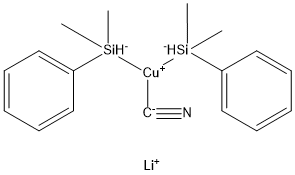
What is Dilithium cyanobis(dimethyl(phenyl)silyl)cuprate(2-)?
Physical properties
relatively stable reagent at rt; usually prepared in situ at 0°C.
The Uses of Dilithium cyanobis(dimethyl(phenyl)silyl)cuprate(2-)
DilithiumCyanobis(dimethylphenylsilyl)-
cuprate is a higher-order copper reagent for transfer of a dimethylphenylsilyl
group to enones, allenes, alkynes, epoxides, and alkyl halides.
The silylcuprate reacts with
allylic acetates directly to give allylsilanes (eqs 16–18). Bissecondary allylic acetates are apt to form both regioisomers, but
some control of the regiochemistry is possible, using a cis double
bond, which encourages reaction with allylic shift, especially
when the silyl group is delivered to the less-hindered end of the
allylic system (eq 16).An alternative protocol, assembling a
mixed silylcuprate on a carbamate group, is even better at controlling
the regioselectivity, usually giving complete allylic shift
(eq 17). Tertiary acetates in contrast are well behaved regiochemically,
giving only the product with the silyl group at the
less-substituted end of the allylic system (eq 18)Allylsilanes
have many uses as carbon nucleophiles in organic synthesis.A
similar reaction takes place with allylic epoxides.
The acetate reaction (eq 16) and the carbamate alternative
(eq 17) are complementary in their stereochemistry, the former
taking place stereospecifically anti and the latter stereospecifically
syn.
Preparation
prepared by adding 0.5 equiv of dry copper(I) cyanide to dimethylphenylsilyllithium in THF (eq 1), which in turn is generated from chlorodimethylphenylsilane and lithium metal. Analogous bis(trimethylsilyl)cyanocuprates are prepared in a similar manner.

Properties of Dilithium cyanobis(dimethyl(phenyl)silyl)cuprate(2-)
| solubility | sol THF (-78°C and above). |
Safety information for Dilithium cyanobis(dimethyl(phenyl)silyl)cuprate(2-)
Computed Descriptors for Dilithium cyanobis(dimethyl(phenyl)silyl)cuprate(2-)
New Products
Pentadecanoic acid 3-AMINO-3-(2-FLUORO-PHENYL)-PROPIONIC ACID Hendecanoic acid 2-AMINO-3-METHYLQUINOLINE HYDROCHLORIDE 3-Hydroxypropionitrile DL-3-Amino-3-(2-methoxyphenyl)propionic acid 2-Bromo-5-Iodopyridine 2,3-Diamino-5-Chloropyridine 2-Amino-3-Hydroxypyridine 2,6-Diamino Pyridine 4-Amino-2-Chloropyridine 2-Hydroxy-4-Picoline 4-(4-(Dimethylamino)-1-(4-fluorophenyl)-1-hydroxybutyl)-3-(hydroxymethyl)benzonitrile Tetrahydropyranyl-4-acetic acid Tetracaine Hydrochloride Ep Grade 2,2,2-Trichloroethyl chloroformate 5-Bromo-4-chloro-3-indolyl-β-D-galactopyranoside 5-fluoro-1,3-benzodioxole 2-Bromo-6-fluoroaniline 5-Phenyl-[1,3,4]-thiadiazol-2-amine 2-Chloro-6-nitro benzothiazole 2-Amino-4-phenyl-thiazole 4-Chloro-2-methyl quinoline 2-(Chloromethyl) quinazolin-4(3H)-oneYou may like
-
 2-Bromo-4-nitropyridine-N-oxide 52092-43-0 98%View Details
52092-43-0 -
18979-61-8 98%View Details
18979-61-8 -
4, 4'-Ditolylamine (or) 4,4-Dimethyl Diphenylamine 620-93-9 98%View Details
620-93-9 -
2-Bromo-5-Chloropyridine 98%View Details
40473-01-6 -
2-Picolinic acid N-oxide 824-40-8 98%View Details
824-40-8 -
15862-34-7 5-Bromo-2-Hydroxy-3-Nitro Pyridine 98%View Details
15862-34-7 -
2-(2,4-Diaminophenoxy)ethanol Dihydrochloride 98%View Details
66422-95-5 -
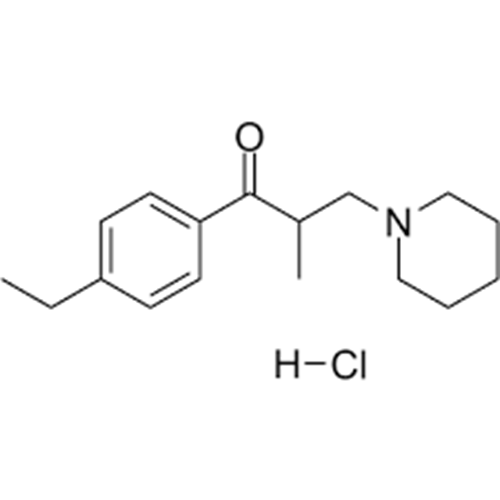 Eperisone Hydrochloride APIView Details
56839-43-1