
Dibenzoyl-L-tartaric acid
Synonym(s):(−)-O,O′-Dibenzoyl-L -tartaric acid;L -DBTA
- CAS NO.:2743-38-6
- Empirical Formula: C18H14O8
- Molecular Weight: 358.3
- MDL number: MFCD00003074
- EINECS: 220-374-0
- SAFETY DATA SHEET (SDS)
- Update Date: 2026-05-28 01:03:47
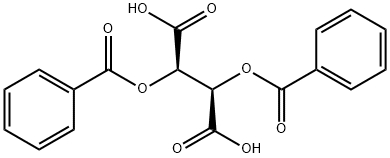
What is Dibenzoyl-L-tartaric acid?
Chemical properties
Dibenzoyl-L-tartaric acid is white to light yellow crystal powde
The Uses of Dibenzoyl-L-tartaric acid
(-)-Dibenzoyl-L-tartaric acid, anhydrous is used as a reagent used to produce chiral salts. Also used as organic chemical synthesis intermediate.
What are the applications of Application
Dibenzoyl-L-tartaric acid is a reagent used to produce chiral salts.
Flammability and Explosibility
Not classified
Safety Profile
Dibenzoyl-L-tartaric acid is an eye irritant. When heated to decomposition it emits acrid smoke and irritating fumes.
Properties of Dibenzoyl-L-tartaric acid
| Melting point: | 152-155 °C(lit.) |
| Boiling point: | 234 °C / 7mmHg |
| Density | 1.3806 (rough estimate) |
| vapor pressure | 0Pa at 20℃ |
| refractive index | -116 ° (C=1, EtOH) |
| storage temp. | Refrigerator |
| solubility | DMSO (Slightly), Ethanol (Slightly), Methanol (Slightly) |
| form | Solid or Crystalline Powder |
| pka | 1.85±0.25(Predicted) |
| color | Off-white to orange to pale brown |
| optical activity | [α]20/D 116°, c = 9 in ethanol |
| Water Solubility | Slightly soluble in water. |
| BRN | 709854 |
| CAS DataBase Reference | 2743-38-6(CAS DataBase Reference) |
| EPA Substance Registry System | Butanedioic acid, 2,3-bis(benzoyloxy)-, (2R,3R)- (2743-38-6) |
Safety information for Dibenzoyl-L-tartaric acid
| Signal word | Warning |
| Pictogram(s) |
 Exclamation Mark Irritant GHS07 |
| GHS Hazard Statements |
H315:Skin corrosion/irritation H319:Serious eye damage/eye irritation |
| Precautionary Statement Codes |
P264:Wash hands thoroughly after handling. P264:Wash skin thouroughly after handling. P280:Wear protective gloves/protective clothing/eye protection/face protection. P305+P351+P338:IF IN EYES: Rinse cautiously with water for several minutes. Remove contact lenses, if present and easy to do. Continuerinsing. P337+P313:IF eye irritation persists: Get medical advice/attention. |
Computed Descriptors for Dibenzoyl-L-tartaric acid
| InChIKey | YONLFQNRGZXBBF-ZIAGYGMSSA-N |
Dibenzoyl-L-tartaric acid manufacturer
OctaneX Labs
Hyderabad
Phone:91-9515157878
Whatsapp: 91-9515157878
product: (-)-Dibenzoyl-L-tartaric acid
Kaival Chemicals Private Limited
Vadodara
product: Di Benzoyl L Tartaric Acid Anhydrous, For Chemical Industry, Pack Size: 30 Kg
Global Chemie
Mumbai
Phone:91-9924260171
Whatsapp: 91-9924260171
product: (-)-Dibenzoyl-L-tartaric acid
NRS Chemicals LLP
Gujarat
product: Powder Dibenzoyl-L-Tartaric Acid, For Industrial, Grade Standard: Food Grade
New Products
9-Mesityl-10-methylacridinium perchlorate Sulfapyridine Fmoc-OSu (R)-(-)-2-Amino-1-propanol Cyclobutanone 5-bromo-4-fluoro-2-nitrobenzaldehyde 4 pentyn 1 ol N-Vinylformamide Phenethyl cinnamate Pyrrolo[1,2-a]pyrimidine-6-carboxylic acid, 4,6,7,8-tetrahydro-4-oxo-, sodium salt (1:1), (6S) Ethyl 3-phenylpropanoate β-Bromostyrene Methacrylate-PEG-Methacrylate, Mn:35000 2,4-Dihydroxyacetophenone 2-Chloro 5-Fluoro Pyridine Vasicinone 2-Chloroisonicotinic Acid Tween 80 or Polysorbate 80 5-Bromo-1-Pentyne 1-(2-Methyl-5-nitrophenyl)guanidine Nitrate Methyl trans-4-Aminocyclohexanecarboxylate Hydrochloride N-(4-Cyano-3-(trifluoromethyl)phenyl)-2-methyloxirane-2-carboxamide 4-Nitrobenzotrifluoride 2-Pentyn-1-oLRelated products of tetrahydrofuran

You may like
-
 Dibenzoyl-L-Tartaric Acid CASView Details
 -
Dibenzoyl-L-tartaric acid 98% CAS 2743-38-6View Details
2743-38-6 -
Dibenzoyl-l-tartaric acid 97% CAS 2743-38-6View Details
2743-38-6 -
 Di Benzoyl L Tartaric Acid Anhydrous, For Chemical Industry, Pack Size: 30 KgView Details
2743-38-6 -
 Powder Dibenzoyl L Tartaric AcidView Details
2743-38-6 -
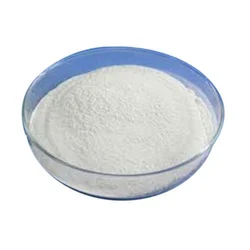 Powder Dibenzoyl-L-Tartaric Acid, For Industrial, Grade Standard: Food GradeView Details
2743-38-6 -
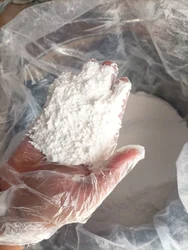 Powder Dibenzoyl L Tartaric Acid AnhydrousView Details
2743-38-6 -
 Powder Dibenzoyl L- Tartaric Acid, 99%, 1 kgView Details
2743-38-6
Statement: All products displayed on this website are only used for non medical purposes such as industrial applications or scientific research, and cannot be used for clinical diagnosis or treatment of humans or animals. They are not medicinal or edible.