
Di-(2-Ethylhexyl) (2-Ethyl-4-Hydroxyhexyl) Phosphate
- Empirical Formula: C24H51O5P
- Molecular Weight: 450.632501
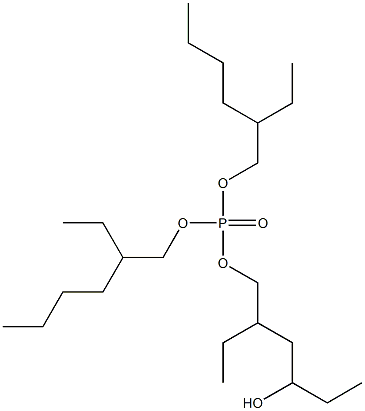
What is Di-(2-Ethylhexyl) (2-Ethyl-4-Hydroxyhexyl) Phosphate?
The Uses of Di-(2-Ethylhexyl) (2-Ethyl-4-Hydroxyhexyl) Phosphate
Di-(2-Ethylhexyl) (2-Ethyl-4-Hydroxyhexyl) Phosphate is derived from Diethyl Ethylmalonate (D444305), which is used in the synthesis of HIV-1 reverse transcriptase inhibitors. Also used in the preparation of Peloruside A, a novel antimitotic agent used as a potential anti-cancer agent.
Safety information for Di-(2-Ethylhexyl) (2-Ethyl-4-Hydroxyhexyl) Phosphate
New Products
3-AMINO-3-(2-FLUORO-PHENYL)-PROPIONIC ACID Pentadecanoic acid Hendecanoic acid 2-AMINO-3-METHYLQUINOLINE HYDROCHLORIDE 3-Hydroxypropionitrile DL-3-Amino-3-(2-methoxyphenyl)propionic acid 5-Bromo-2-Fluoropyridine 2,3-Diamino-5-Chloropyridine 2-Amino-3-Hydroxypyridine 2,6-Diamino Pyridine 4-Amino-2-Chloropyridine 2-Hydroxy-4-Picoline 4-(4-(Dimethylamino)-1-(4-fluorophenyl)-1-hydroxybutyl)-3-(hydroxymethyl)benzonitrile 4-Bromo-3-(ethoxymethyl)benzoic acid 2,4-Dichloro-5-methoxyaniline 4,6-Dichloro-2-(propylthio)pyrimidin-5-amine N2-Isobutyryl-2'-O-methylguanosine 2-chloro-5-methylpyridin-4-amine 4-Bromobenzaldehyde 2-Chloro-6-nitro benzothiazole 2-Amino-4-phenyl-thiazole 4-Chloro-2-methyl quinoline 2-(Chloromethyl) quinazolin-4(3H)-one 5-Phenyl-[1,3,4]-thiadiazol-2-amineYou may like
-
 2-Bromo-4-nitropyridine-N-oxide 52092-43-0 98%View Details
52092-43-0 -
18979-61-8 98%View Details
18979-61-8 -
4, 4'-Ditolylamine (or) 4,4-Dimethyl Diphenylamine 620-93-9 98%View Details
620-93-9 -
2-Bromo-5-Chloropyridine 98%View Details
40473-01-6 -
2-Picolinic acid N-oxide 824-40-8 98%View Details
824-40-8 -
15862-34-7 5-Bromo-2-Hydroxy-3-Nitro Pyridine 98%View Details
15862-34-7 -
2-(2,4-Diaminophenoxy)ethanol Dihydrochloride 98%View Details
66422-95-5 -
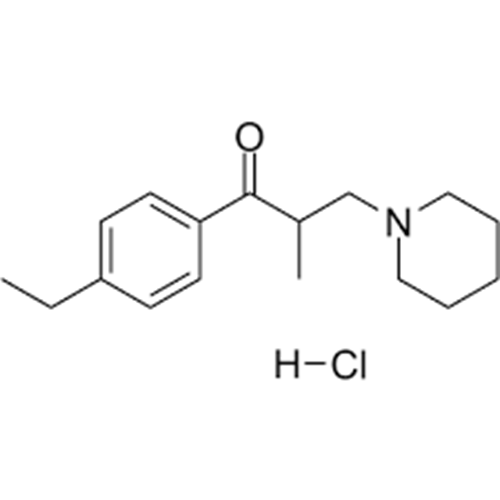 Eperisone Hydrochloride APIView Details
56839-43-1
Statement: All products displayed on this website are only used for non medical purposes such as industrial applications or scientific research, and cannot be used for clinical diagnosis or treatment of humans or animals. They are not medicinal or edible.