
CROSCARMELLOSE SODIUM
- CAS NO.:74811-65-7
- Empirical Formula: Null
- Molecular Weight: 0
- MDL number: MFCD00217760
- EINECS: 1312995-182-4
- Update Date: 2026-01-13 11:27:05
What is CROSCARMELLOSE SODIUM?
Chemical properties
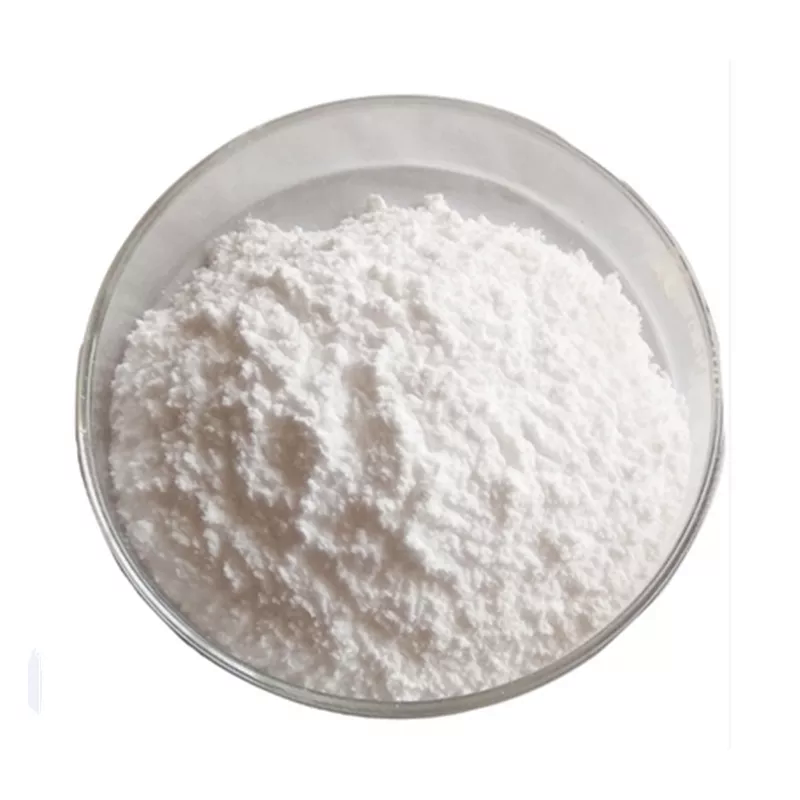
Croscarmellose sodium occurs as an odorless, white or grayishwhite powder.
Production Methods
Alkali cellulose is prepared by steeping cellulose, obtained from wood pulp or cotton fibers, in sodium hydroxide solution. The alkali cellulose is then reacted with sodium monochloroacetate to obtain carboxymethylcellulose sodium. After the substitution reaction is completed and all of the sodium hydroxide has been used, the excess sodium monochloroacetate slowly hydrolyzes to glycolic acid. The glycolic acid changes a few of the sodium carboxymethyl groups to the free acid and catalyzes the formation ofcrosslinkstoproducecroscarmellosesodium.Thecroscarmellose sodium is then extracted with aqueous alcohol and any remaining sodium chloride or sodium glycolate is removed. After purification, croscarmellose sodium of purity greater than 99.5% is obtained. The croscarmellose sodium may be milled to break the polymer fibers into shorter lengths and hence improve its flow properties.
Pharmaceutical Applications
Croscarmellose sodium (CCS) is a cellulose chemically modified, water-insoluble superdisintegrant. CCS promotes rapid disintegration of tablets upon exposure to water by relying on capillary and swelling effects, and the commonly used amount in tablet formulations is 0.5–5.0%.
Safety
Croscarmellose sodium is mainly used as a disintegrant in oral pharmaceutical formulations and is generally regarded as an essentially nontoxic and nonirritant material. However, oral consumption of large amounts of croscarmellose sodium may have a laxative effect, although the quantities used in solid dosage formulations are unlikely to cause such problems.
In the UK, croscarmellose sodium is accepted for use in dietary supplements.
The WHO has not specified an acceptable daily intake for the related substance carboxymethylcellulose sodium, used as a food additive, since the levels necessary to achieve a desired effect were not considered sufficient to be a hazard to health.
Production
Alkali cellulose is prepared by steeping cellulose, obtained from wood pulp or cotton fibers, in sodium hydroxide solution. The alkali cellulose is then reacted with sodium monochloroacetate to obtain carboxymethylcellulose sodium. After the substitution reaction is completed and all of the sodium hydroxide has been used, the excess sodium monochloroacetate slowly hydrolyzes to glycolic acid. The glycolic acid changes a few of the sodium carboxymethyl groups to the free acid and catalyzes the formation of crosslinks to produce croscarmellose sodium.Thecroscarmellose sodium is then extracted with aqueous alcohol and any remaining sodium chloride or sodium glycolate is removed. After purification, croscarmellose sodium of purity greater than 99.5% is obtained. The croscarmellose sodium may be milled to break the polymer fibers into shorter lengths and hence improve its flow properties.
Storage
Croscarmellose sodium is a stable though hygroscopic material.
A model tablet formulation prepared by direct compression, withcroscarmellosesodiumasadisintegrant,showednosignificant differenceindrugdissolutionafterstorageat30°Cfor14months.
Croscarmellose sodium should be stored in a well-closed container in a cool, dry place.
Incompatibilities
The efficacy of disintegrants, such as croscarmellose sodium, may be slightly reduced in tablet formulations prepared by either the wet-granulation or direct-compression process that contain hygroscopic excipients such as sorbitol.
Croscarmellose sodium is not compatible with strong acids or with soluble salts of iron and some other metals such as aluminum, mercury, and zinc.
Regulatory Status
Included in the FDA Inactive Ingredients Database (oral capsules, granules, sublingual tablets, and tablets). Included in nonparenteral medicines licensed in the UK. Included in the Canadian List of Acceptable Non-medicinal Ingredients.
Properties of CROSCARMELLOSE SODIUM
| Melting point: | >205oC (dec.) |
| Density | Bulk density (g/cc) 0.48 |
| storage temp. | Hygroscopic, -20°C Freezer, Under inert atmosphere |
| solubility | Practically insoluble in acetone, in anhydrous ethanol and in toluene. |
| form | Solid |
| color | White to Off-White |
| Odor | at 100.00?%. odorless |
| EPA Substance Registry System | Croscarmellose sodium (74811-65-7) |
Safety information for CROSCARMELLOSE SODIUM
Computed Descriptors for CROSCARMELLOSE SODIUM
CROSCARMELLOSE SODIUM manufacturer
Omicron Pharmatech Private Limited
Vasa Pharmachem Pvt Ltd. (VPPL)
New Products
N-Carbethoxy-4-piperidone 1-Aminocyclopentane carbonitrile Tetrabutylammonium perchlorate N,O-Dimethylhydroxylamine hydrochloride (RS)-beta-Amino-beta-(4-bromophenyl)propionic acid 2-Amino-5-bromo-4-(trifluoromethyl)pyridine N-Vinylformamide 4 pentyn 1 ol Phenethyl cinnamate Dipropyl disulfide Ethyl 3-phenylpropanoate β-Bromostyrene Methacrylate-PEG-Methacrylate, Mn:35000 2,4-Dihydroxyacetophenone 2-Chloro 5-Fluoro Pyridine Vasicinone 2-Chloroisonicotinic Acid Tween 80 or Polysorbate 80 5-Bromo-1-Pentyne 1-(2-Methyl-5-nitrophenyl)guanidine Nitrate Methyl trans-4-Aminocyclohexanecarboxylate Hydrochloride N-(4-Cyano-3-(trifluoromethyl)phenyl)-2-methyloxirane-2-carboxamide 2-Pentyn-1-oL 4-NitrobenzotrifluorideRelated products of tetrahydrofuran






You may like
-
 Sodium croscarmellose 98%View Details
74811-65-7 -
 Sodium croscarmellose 74811-65-7 99%View Details
74811-65-7 -
 74811-65-7 98%View Details
74811-65-7 -
 Sodium croscarmellose 99%View Details
74811-65-7 -
 Sodium croscarmellose 74811-65-7 99%View Details
74811-65-7 -
 Croscarmellose sodium CAS 74811-65-7View Details
74811-65-7 -
 Croscarmellose Sodium, Grade Standard: IPView Details
74811-65-7 -
 Croscarmellose Sodium CAS 74811-65-7View Details
74811-65-7