
cis-1,4-Dichloro-2-butene
- CAS NO.:1476-11-5
- Empirical Formula: C4H6Cl2
- Molecular Weight: 125
- MDL number: MFCD00062950
- EINECS: 216-021-5
- SAFETY DATA SHEET (SDS)
- Update Date: 2026-05-28 04:40:43
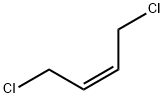
What is cis-1,4-Dichloro-2-butene?
Chemical properties
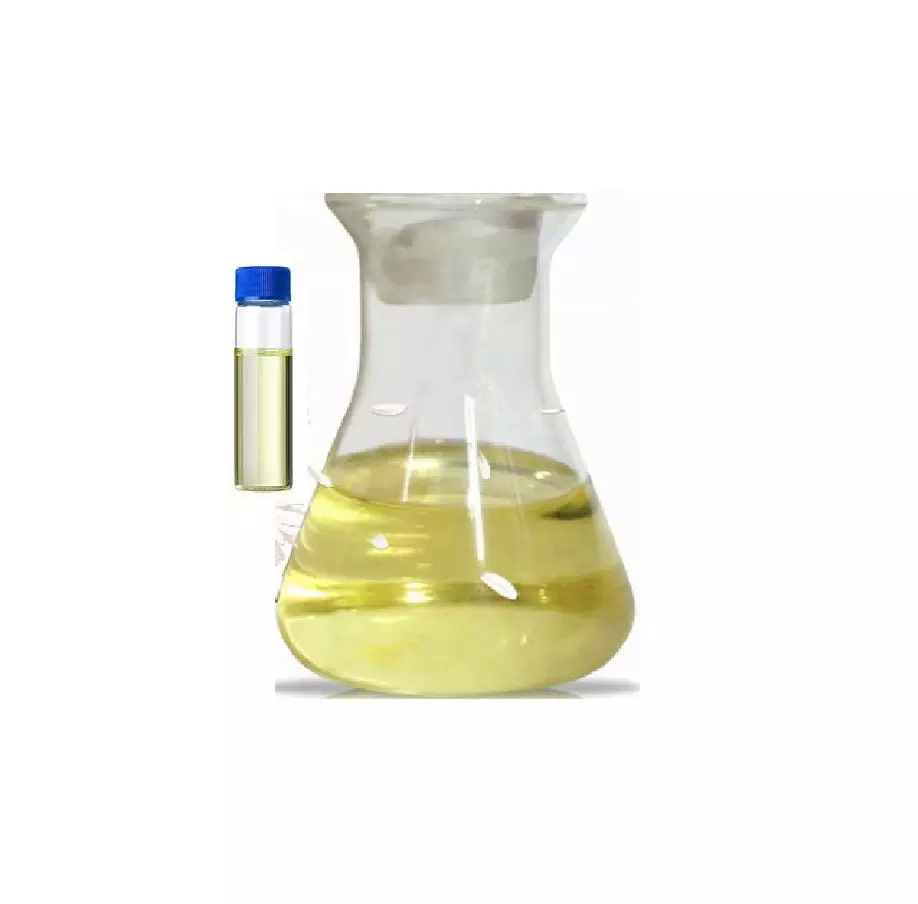
Light-Yellow Clear Liquid
The Uses of cis-1,4-Dichloro-2-butene
It is employed as an intermediate for the production of other chemicals such as in the production of chloroprene. It is also used as a starting material in the production of adiponitrile, butane-1,4-diol, and tetrahydrofuran. It is also used in the preparation of functionalized 3,5-disubstituted cyclopent-2-enones.
Properties of cis-1,4-Dichloro-2-butene
| Melting point: | −48 °C(lit.) |
| Boiling point: | 152 °C758 mm Hg(lit.) |
| Density | 1.188 g/mL at 25 °C(lit.) |
| refractive index | n |
| Flash point: | 132 °F |
| storage temp. | 2-8°C |
| solubility | Chlorform (Sparingly), Methanol (Slightly) |
| form | Liquid |
| color | Clear colorless to yellow |
| Water Solubility | Not miscible or difficult to mix in water. Soluble in alcohol, ether, acetone and benzene. |
| Sensitive | Moisture & Light Sensitive |
| BRN | 1719692 |
| Stability: | Light Sensitive, Moisture Sensitive |
| CAS DataBase Reference | 1476-11-5(CAS DataBase Reference) |
| NIST Chemistry Reference | 2-Butene, 1,4-dichloro-, (Z)-(1476-11-5) |
| EPA Substance Registry System | cis-1,4-Dichloro-2-butene (1476-11-5) |
Safety information for cis-1,4-Dichloro-2-butene
| Signal word | Danger |
| Pictogram(s) |
 Flame Flammables GHS02  Corrosion Corrosives GHS05  Skull and Crossbones Acute Toxicity GHS06  Health Hazard GHS08  Environment GHS09 |
| GHS Hazard Statements |
H226:Flammable liquids H314:Skin corrosion/irritation H330:Acute toxicity,inhalation H350:Carcinogenicity H400:Hazardous to the aquatic environment, acute hazard |
| Precautionary Statement Codes |
P210:Keep away from heat/sparks/open flames/hot surfaces. — No smoking. P273:Avoid release to the environment. P280:Wear protective gloves/protective clothing/eye protection/face protection. P303+P361+P353:IF ON SKIN (or hair): Remove/Take off Immediately all contaminated clothing. Rinse SKIN with water/shower. P305+P351+P338:IF IN EYES: Rinse cautiously with water for several minutes. Remove contact lenses, if present and easy to do. Continuerinsing. |
Computed Descriptors for cis-1,4-Dichloro-2-butene
New Products
Cyclobutanone (R)-(-)-2-Amino-1-propanol Fmoc-OSu 5-bromo-4-fluoro-2-nitrobenzaldehyde 2-Amino-2-(4-methylphenyl)acetic acid 1-(2-Chloroethyl)pyrrolidine Hydrochloride 2,4-Dihydroxybenzaldehyde Obidoxime hydrochloride API Pyrrolo[1,2-a]pyrimidine-6-carboxylic acid, 4,6,7,8-tetrahydro-4-oxo-, sodium salt (1:1), (6S) Dipropyl disulfide N-Vinylformamide 4 pentyn 1 ol Methacrylate-PEG-Methacrylate, Mn:35000 2,4-Dihydroxyacetophenone 2-Chloro 5-Fluoro Pyridine Vasicinone 2-Chloroisonicotinic Acid Tween 80 or Polysorbate 80 2-Butyn-1-oL N-(4-fluoro-2-methoxy-5-nitrophenyl)-4-(1-methyl-1H-indol-3-yl)pyrimidin-2-amine Pirtobrutinib intd. 2-Pentyn-1-oL 4-Nitrobenzotrifluoride N-(4-Cyano-3-(trifluoromethyl)phenyl)-2-methyloxirane-2-carboxamideRelated products of tetrahydrofuran

![OXALIC ACID BIS[2,4,5-TRICHLORO-6-(PENTYLOXYCARBONYL)PHENYL] ESTER](https://img.chemicalbook.in/CAS/GIF/30431-54-0.gif)


You may like
-
 1476-11-5 98%View Details
1476-11-5 -
 7250-67-1 1-(2-Chloroethyl)pyrrolidine Hydrochloride 98+View Details
7250-67-1 -
7250-67-1 1-(2-Chloroethyl)pyrrolidine Hydrochloride 98+View Details
7250-67-1 -
13227-01-5 98+View Details
13227-01-5 -
545445-44-1 3-Morpholino-1-(4-(2-oxopiperidin-1-yl) phenyl)-5,6-dihyropyridin-2-(1H)-one 98%View Details
545445-44-1 -
6629-04-5 98%View Details
6629-04-5 -
4-(4-Αminophenyl)-3-Morpholinone 98%View Details
438056-69-0 -
1-(4-Aminophenyl)-3-morpholino-5,6-dihydropyridin-2(1H)-one 1267610-26-3 98%View Details
1267610-26-3
Statement: All products displayed on this website are only used for non medical purposes such as industrial applications or scientific research, and cannot be used for clinical diagnosis or treatment of humans or animals. They are not medicinal or edible.