
Antibiotic
- Molecular Weight: 0
What is Antibiotic?
Definition
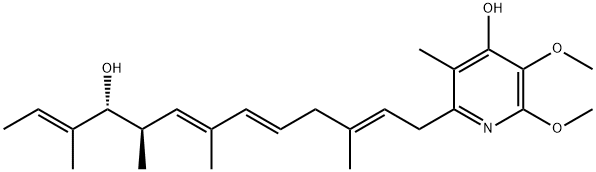
A chemical substance produced by microorganisms that has the capacity in dilute solutions to inhibit the growth of other microorganisms or destroy them. Only approximately 20 out of several hundred known have proved generally useful in therapy. Those that are used must conform to FDA requirements. The most important groups of antibiotic-producing organisms are the bacteria, lower fungi, or molds, and actinomycetes. These antibiotics belong to very diverse classes of chemical compounds. Most of the antibiotics produced by bacteria are polypeptides (such as tyrothricin, bacitracin, polymyxin). The penicillins are the only important antibiotics produced by fungi. Actinomycetes produce a wide variety of compounds (actinomycin, streptomycin, chloramphenicol, tetracycline). The antimicrobial activity (antibiotic spectrum) of antibiotics varies greatly; some are active only on bacteria, others on fungi, still others on bacteria and fungi; some are active on viruses, some on protozoa, and some are also active on neoplasms. An organism sensitive to an antibiotic may, on continued contact with it, develop resistance and yet remain sensitive to other antibiotics. Certain antibiotics are used as direct food additives to inhibit growth of bacteria and fungi; among these are nisin, pimaricin, nystatin, and tylosin.
Safety information for Antibiotic
New Products
Indole Methyl Resin tert-butyl 9-methoxy-3-azaspiro[5.5]undecane-3-carboxylate Boc-His(Boc)-OH 2-CTC Resin 4-Chloro-7-tosy1-7Hpyrrolo[2,3-d]pyrimidine 5,7-Dibromo-1H-indole 2,5-dichloro-N-hydroxy-4,6-dimethylpyridine-3-carboximidamide 2,2-Dimethoxy-7-azaspiro[3.5]nonane hydrochloride 4-chloromethyl-5-methyl-1,3-dioxol-2-one (DMDO-Cl) R-2-BENZYLOXY PROPIONIC ACID 1,1’-CARBONYLDIIMIDAZOLE 1,1’-CARBONYLDI (1,2-4 TRIAZOLE) N-METHYL INDAZOLE-3-CARBOXYLIC ACID 4-((2-hydroxyethyl)thio)benzoic acid 1-(TERT-BUTOXYCARBONYL)-2-PYRROLIDINONE Methyl 6-methylnicotinate 3-Pyridineacrylic acid tert-Butyl carbazate TETRAHYDRO-2H-PYRAN-3-OL 2-((4-morpholinophenylamino) (methylthio) methylene) malononitrile 3-(4-morpholinophenylamino)-5-amino-1H-pyrazole-4-carbonitrile 2,4-dihydroxybenzaldehyde 1,3-Diethyl-1,3-Diphenylurea Methyl 2-methylquinoline-6-carboxylateRelated products of tetrahydrofuran
You may like
-
 Pyridine 99.5% HPLC /UV SpectroscopyView Details
110-86-1 -
 Guanine , 99%View Details
73-40-5 -
 Piperazine Spot supply, best priceView Details
110-85-0 -
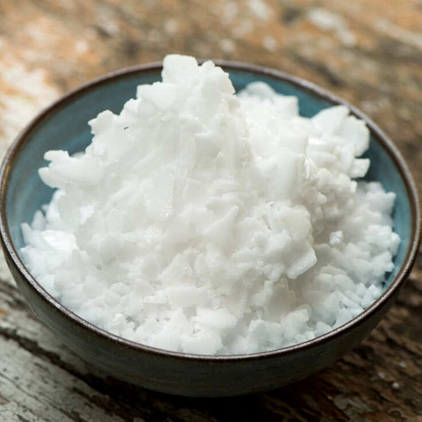 Potassium Hydroxide 90%View Details
1310-58-3 -
 Dibutyl PhthalateView Details
84-74-2 -
 Imidazole Spot supply, competitive priceView Details
288-32-4 -
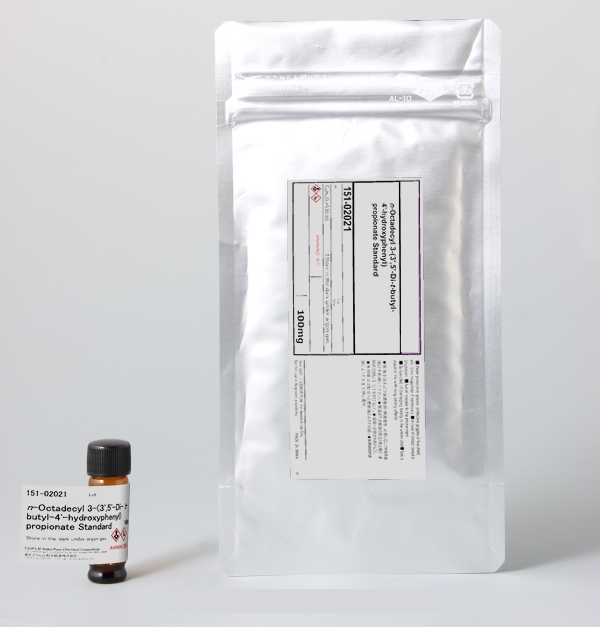 Octadecyl 3-(3,5-di-tert-butyl-4-hydroxyphenyl)propionate 98% (GC)View Details
2082-79-3 -
 Thiourea 99% ARView Details
62-56-6