
3-Thiopheneacetic acid
Synonym(s):3-Thienylacetic acid
- CAS NO.:6964-21-2
- Empirical Formula: C6H6O2S
- Molecular Weight: 142.18
- MDL number: MFCD00005473
- EINECS: 230-166-1
- SAFETY DATA SHEET (SDS)
- Update Date: 2026-05-27 23:41:39

What is 3-Thiopheneacetic acid?
Chemical properties
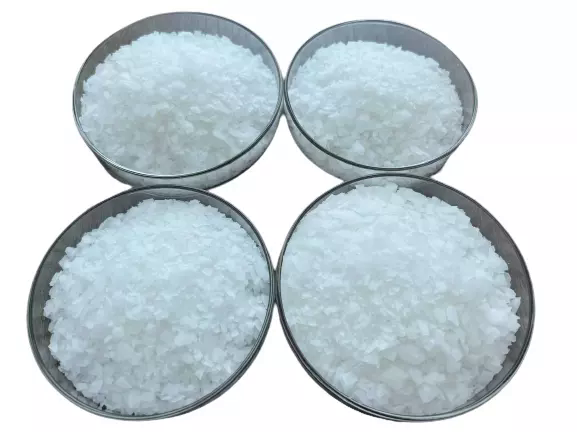
white to light yellow crystal powder
The Uses of 3-Thiopheneacetic acid
3-Thiopheneacetic acid was used in:
- one-step, size control synthesis of gold nanoparticles
- in the preparation of gold nanoparticles capped with 3-thiopheneacetic acid (3-TAA) via borohydride reduction
The Uses of 3-Thiopheneacetic acid
3-Thiopheneacetic acid was used in one-step, size control synthesis of gold nanoparticles. It was also used in the preparation of gold nanoparticles capped with 3-thiopheneacetic acid (3-TAA) via borohydride reduction.
General Description
3-Thiopheneacetic acid acts as monocarboxylate ligand and forms oxo-carboxylate bridged digadolinium(III) complexes. Electrochemical oxidation of 3-thiopheneacetic acid in dry acetonitrile leads to the formation of a conducting polymeric film of poly (3-thiopheneacetic acid).
Purification Methods
Crystallise the acid from ligroin or H2O. [Beilstein 18 III/IV 4066.]
Properties of 3-Thiopheneacetic acid
| Melting point: | 73-76 °C(lit.) |
| Boiling point: | 129°C 2,5mm |
| Density | 1.365 (estimate) |
| refractive index | 1.5300 (estimate) |
| Flash point: | 129°C/2.5mm |
| storage temp. | Keep in dark place,Inert atmosphere,Room temperature |
| form | Crystalline Flakes or Powder |
| pka | 4.25±0.10(Predicted) |
| color | Off-white to beige |
| Water Solubility | Very soluble in water. |
| BRN | 113622 |
| CAS DataBase Reference | 6964-21-2(CAS DataBase Reference) |
| NIST Chemistry Reference | 3-Thiopheneacetic acid(6964-21-2) |
Safety information for 3-Thiopheneacetic acid
| Signal word | Danger |
| Pictogram(s) |
 Corrosion Corrosives GHS05 |
| GHS Hazard Statements |
H314:Skin corrosion/irritation |
| Precautionary Statement Codes |
P260:Do not breathe dust/fume/gas/mist/vapours/spray. P280:Wear protective gloves/protective clothing/eye protection/face protection. P363:Wash contaminated clothing before reuse. P303+P361+P353:IF ON SKIN (or hair): Remove/Take off Immediately all contaminated clothing. Rinse SKIN with water/shower. P305+P351+P338:IF IN EYES: Rinse cautiously with water for several minutes. Remove contact lenses, if present and easy to do. Continuerinsing. |
Computed Descriptors for 3-Thiopheneacetic acid
| InChIKey | RCNOGGGBSSVMAS-UHFFFAOYSA-N |
New Products
2-Bromo-4-hydroxypyridine 2-Benzyl-1,1,3,3-tetramethylisoindoline AMINO-O-TOLYL-ACETIC ACID AMINO(2-BROMOPHENYL)ACETIC ACID 6-BROMOTETRAZOLO[1,5-A]PYRIDINE 1,3-Diazaspiro[4.5]decane-2,4-dione, 8,8-difluoro- 3-Oxocyclobutanecarboxylic acid AMINO-(3-FLUORO-PHENYL)-ACETIC ACID 4 pentyn 1 ol N-Vinylformamide Pyrrolo[1,2-a]pyrimidine-6-carboxylic acid, 4,6,7,8-tetrahydro-4-oxo-, sodium salt (1:1), (6S) Obidoxime hydrochloride API Piperazine, 1-(3-methoxyphenyl)-, hydrochloride (1:1) Decanoic acid, 2-[4-(phenylmethoxy)phenyl]ethyl ester 1-(2, 4-dichlorophenyl)-N-(2, 4-difluorophenyl)-N isopropyl-5-oxo-1H-1, 2, 4-trizole-4(5H)-carboxamide 2,4-Dihydroxyacetophenone 2-Chloro 5-Fluoro Pyridine Vasicinone 2-Chloroisonicotinic Acid Tween 80 or Polysorbate 80 Methyl trans-4-Aminocyclohexanecarboxylate Hydrochloride 3-(2-chloropyrimidin-4-yl)-1-methyl-1H-indole Tetrahydrofurfuryl Chloride tert-butyl 3-hydroxypyrrolidine-1-carboxylateRelated products of tetrahydrofuran

You may like
-
 6964-21-2 3-Thiophene acetic acid 98%View Details
6964-21-2 -
 6964-21-2 98%View Details
6964-21-2 -
 Thiophene-3-acetic Acid CAS 6964-21-2View Details
6964-21-2 -
Ticarcillin impurity B CAS 6964-21-2View Details
6964-21-2 -
3-Thiopheneacetic acid CAS 6964-21-2View Details
6964-21-2 -
 THIOPHENE-3-ACETIC ACID cas bo 6964-21-2View Details
6964-21-2 -
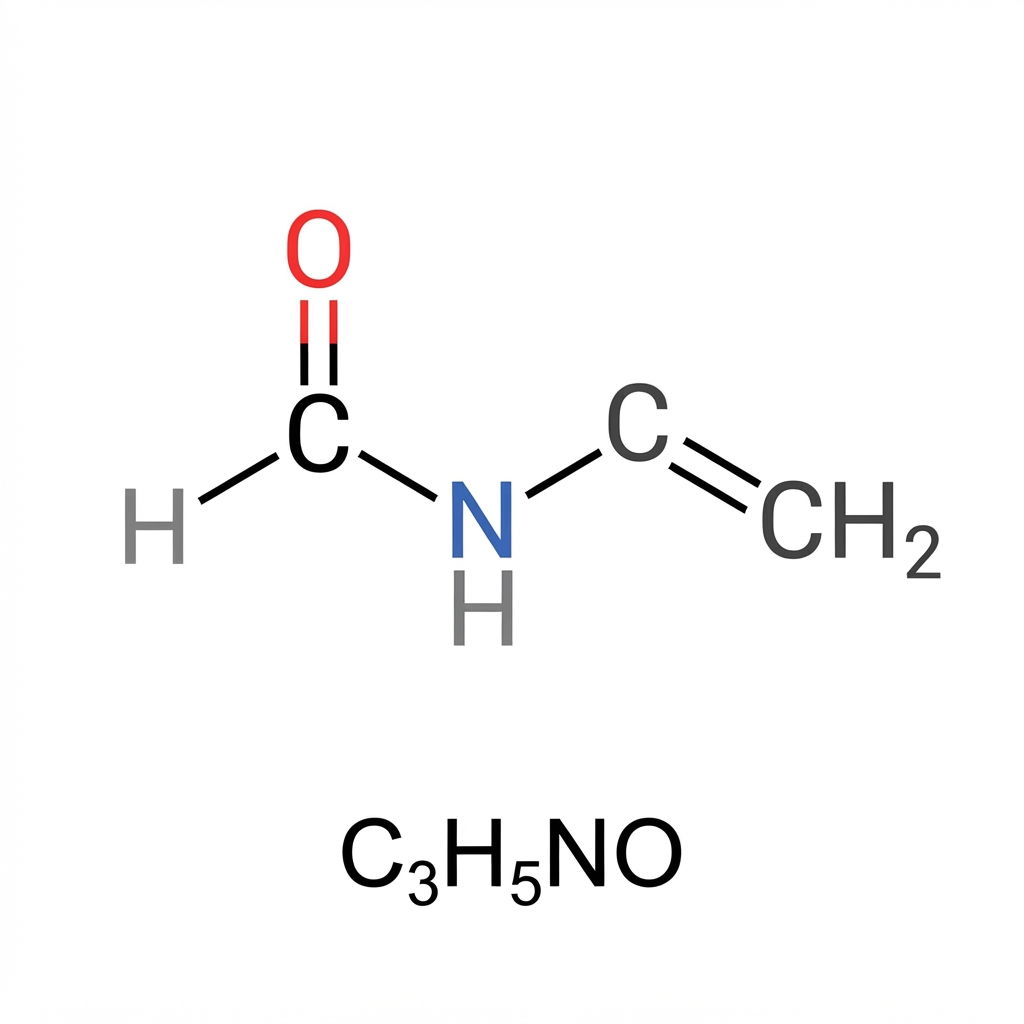 product information of N-VinylformamideView Details
13162-05-5 -
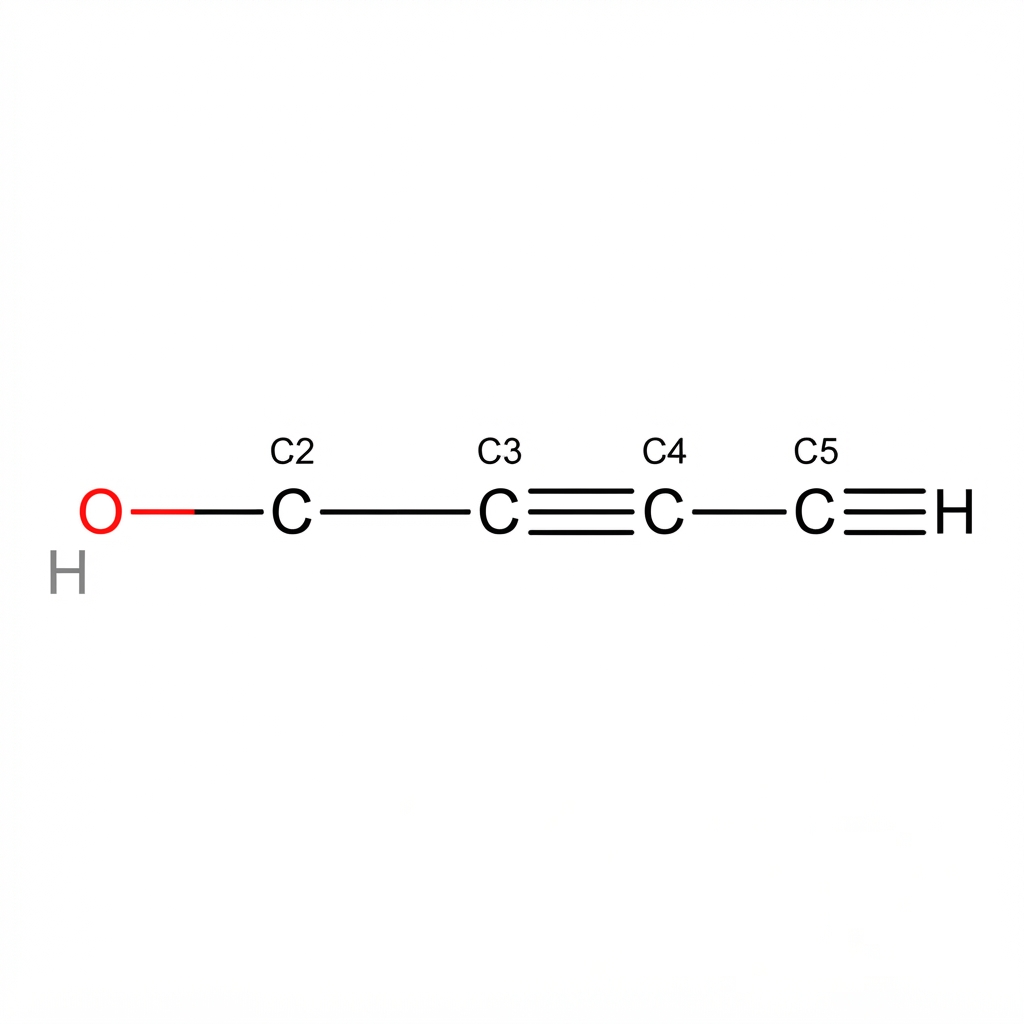 4 pentyn 1 olView Details
5390-04-5
Statement: All products displayed on this website are only used for non medical purposes such as industrial applications or scientific research, and cannot be used for clinical diagnosis or treatment of humans or animals. They are not medicinal or edible.