
(1,3-Dioxolan-2-ylmethyl)triphenylphosphonium bromide
Synonym(s):(1,3-Dioxolan-2-yl)-methyltriphenylphosphonium bromide;Triphenyl-1,3-dioxolan-2-ylmethylphosphonium bromide
- CAS NO.:52509-14-5
- Empirical Formula: C22H22BrO2P
- Molecular Weight: 429.29
- MDL number: MFCD00011966
- EINECS: 257-977-3
- SAFETY DATA SHEET (SDS)
- Update Date: 2026-05-27 17:20:54
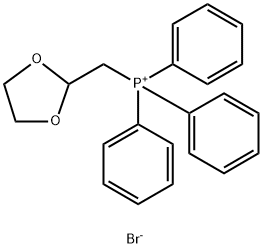
What is (1,3-Dioxolan-2-ylmethyl)triphenylphosphonium bromide?
Chemical properties
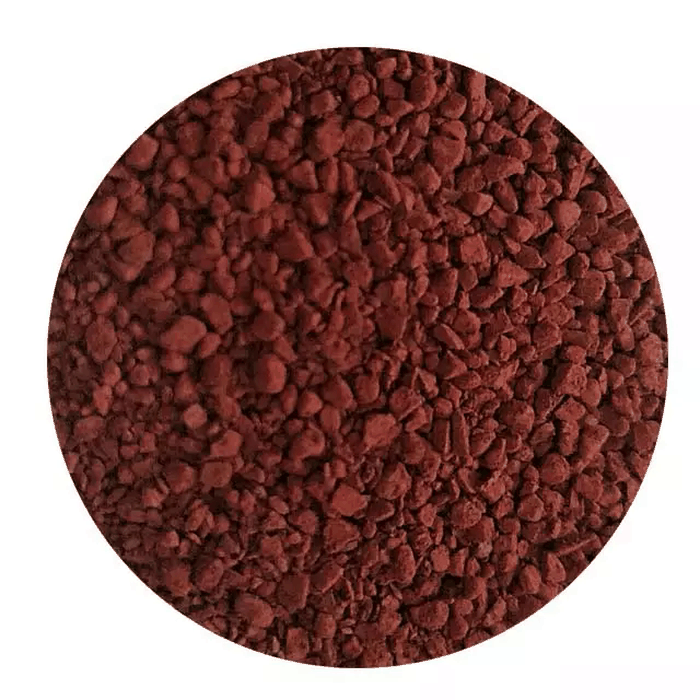
white to light brown granular powder
The Uses of (1,3-Dioxolan-2-ylmethyl)triphenylphosphonium bromide
(1,3-Dioxolan-2-ylmethyl)triphenylphosphonium Bromide is used as a reactant in the synthesis of ketolides methyloxoerythromycins with antibacterial activity as highly potent against macrolide-resistant and susceptible respiratory pathogens.
The Uses of (1,3-Dioxolan-2-ylmethyl)triphenylphosphonium bromide
Reactant for:
- Preparation of a ratiometric fluorescent probe for specific detection of cysteine over homocysteine and glutathione
- Microwave-assisted synthesis of KN-93 as inhibitor of calmodulin kinase II
- Preparation of fluorinated spirobenzofuran piperidines as s1 receptor ligands
- Synthesis and antitumor agents
- Regio-selective preparation of indole derivatives via rhodium-catalyzed domino hydroformylation/indolization
What are the applications of Application
(1,3-Dioxolan-2-ylmethyl)triphenylphosphonium bromide is a Wittig ylide reagent
Purification Methods
Wash the crystals with Et2O, dry them in a vacuum and recrystallise them from CH2Cl2/dry Et2O to give prisms m 172-174o, which is raised to 191.5-193o on drying at 56o/0.5mm. [Cresp et al. J Chem Soc, Perkin Trans 1 37 1974.]
Properties of (1,3-Dioxolan-2-ylmethyl)triphenylphosphonium bromide
| Melting point: | 193-195 °C(lit.) |
| storage temp. | Store below +30°C. |
| solubility | Chloroform (Slightly), Methanol (Slightly) |
| form | Powder or Crystals |
| color | White to light brown |
| Water Solubility | Soluble in water (20°C). |
| Sensitive | Hygroscopic |
| CAS DataBase Reference | 52509-14-5(CAS DataBase Reference) |
Safety information for (1,3-Dioxolan-2-ylmethyl)triphenylphosphonium bromide
| Signal word | Warning |
| Pictogram(s) |
 Exclamation Mark Irritant GHS07 |
| GHS Hazard Statements |
H315:Skin corrosion/irritation H319:Serious eye damage/eye irritation H335:Specific target organ toxicity, single exposure;Respiratory tract irritation |
| Precautionary Statement Codes |
P261:Avoid breathing dust/fume/gas/mist/vapours/spray. P280:Wear protective gloves/protective clothing/eye protection/face protection. P301+P312:IF SWALLOWED: call a POISON CENTER or doctor/physician IF you feel unwell. P305+P351+P338:IF IN EYES: Rinse cautiously with water for several minutes. Remove contact lenses, if present and easy to do. Continuerinsing. |
Computed Descriptors for (1,3-Dioxolan-2-ylmethyl)triphenylphosphonium bromide
| InChIKey | FRHRVQQUICVJDG-UHFFFAOYSA-M |
New Products
N-Carbethoxy-4-piperidone 1-Aminocyclopentane carbonitrile Tetrabutylammonium perchlorate N,O-Dimethylhydroxylamine hydrochloride (RS)-beta-Amino-beta-(4-bromophenyl)propionic acid 2-Amino-5-bromo-4-(trifluoromethyl)pyridine N-Vinylformamide 4 pentyn 1 ol Phenethyl cinnamate Pyrrolo[1,2-a]pyrimidine-6-carboxylic acid, 4,6,7,8-tetrahydro-4-oxo-, sodium salt (1:1), (6S) Ethyl 3-phenylpropanoate β-Bromostyrene Methacrylate-PEG-Methacrylate, Mn:35000 2,4-Dihydroxyacetophenone 2-Chloro 5-Fluoro Pyridine Vasicinone 2-Chloroisonicotinic Acid Tween 80 or Polysorbate 80 5-Bromo-1-Pentyne 1-(2-Methyl-5-nitrophenyl)guanidine Nitrate Methyl trans-4-Aminocyclohexanecarboxylate Hydrochloride 2-Pentyn-1-oL 4-Nitrobenzotrifluoride N-(4-Cyano-3-(trifluoromethyl)phenyl)-2-methyloxirane-2-carboxamideRelated products of tetrahydrofuran

You may like
-
 52509-14-5 (1,3-Dioxolane-2-ylmethyl)triphenylphosphonium bromide 98%View Details
52509-14-5 -
 (1,3-Dioxolan-2-yl)methyltriphenylphosphonium Bromide CAS 52509-14-5View Details
52509-14-5 -
(1,3-Dioxolan-2-yl)-methyltriphenylphosphonium bromide CAS 52509-14-5View Details
52509-14-5 -
144-83-2 Sulfapyridine 98+View Details
144-83-2 -
29976-53-2 98+View Details
29976-53-2 -
674783-97-2 98+View Details
674783-97-2 -
1-Aminocyclopentane carbonitrile 98+View Details
49830-37-7 -
Tetrabutylammonium perchlorate 1923-70-2 98+View Details
1923-70-2
Statement: All products displayed on this website are only used for non medical purposes such as industrial applications or scientific research, and cannot be used for clinical diagnosis or treatment of humans or animals. They are not medicinal or edible.