
1-UNDECANOL
Synonym(s):1-Undecanol;Alcohol C11;Undecyl alcohol
- CAS NO.:112-42-5
- Empirical Formula: C11H24O
- Molecular Weight: 172.31
- MDL number: MFCD00004751
- EINECS: 203-970-5
- SAFETY DATA SHEET (SDS)
- Update Date: 2026-06-24 18:39:39

What is 1-UNDECANOL?
Chemical properties
Colorless liquid; citrus odor. Soluble in 60% alcohol. Combustible.
Chemical properties
Undecyl alcohol has a floral, citrus-like odor and fatty flavor.
Occurrence
Reported found in citrus fruits, fresh apple, banana, sour cherry, orange juice, orange peel oil, American cranberry, Vitis vinifera L., parmesan cheese, mushroom, tamarind, coriander seed and leaf, white wine, butter, heated butter, boiled eggs, boiled or uncured pork, plum brandy, coriander leaf, crayfish and oysters.
The Uses of 1-UNDECANOL
1-Undecanol is an antifungal, antioxidant compound. As well, it is used in the synthesis
The Uses of 1-UNDECANOL
1-Undecanol can be used as a precursor in the synthesis of undecanal by chemoselective oxidation using a fluorous derivative of TEMPO (2,2,6,6-tetramethylpiperidine-1-oxyl) radical as a catalyst.
It can be also used as a solvent in homogeneous liquid-liquid microextraction method.
Definition
ChEBI: A fatty alcohol that is undecane substituted by a hydroxy group at position 1.
Preparation
By reduction of the corresponding aldehyde.
Synthesis Reference(s)
The Journal of Organic Chemistry, 60, p. 5961, 1995 DOI: 10.1021/jo00123a038
General Description
Undecyl alcohol has been reported as a key volatile constituent of Senecio tenuifolius and Flacourtia montana.
Health Hazard
Recommended Personal Protective Equipment: Goggles and face shield; Symptoms Following Exposure: Liquid can irritate eyes; General Treatment for Exposure: Wash eyes with water for at least 15 min.; Toxicity by Inhalation (Threshold Limit Value): Not pertinent; Short-Term Exposure Limits: Not pertinent; Toxicity by Ingestion: Grade 2, LD50 = 0.5-5 g/kg; Late Toxicity: Data not available; Vapor (Gas) Irritant Characteristics: None; Liquid or Solid Irritant Characteristics: No appreciable hazard. Practically harmless to the skin; Odor Threshold: Not pertinent.
Flammability and Explosibility
Non flammable
Chemical Reactivity
Reactivity with Water No reaction; Reactivity with Common Materials: No reactions; Stability During Transport: Stable; Neutralizing Agents for Acids and Caustics: Not pertinent; Polymerization: Not pertinent; Inhibitor of Polymerization: Not pertinent.
Safety Profile
Moderately toxic by ingestion. A skin irritant. Combustible liquid. Mutation data reported. When heated to decomposition it emits acrid smoke and irritating fumes. See also ALCOHOLS.
Metabolism
See alcohol C-8.
Purification Methods
Purify the alcohol by repeated fractional crystallisation from its melt or by distillation in a vacuum. [Beilstein 1 H 427, 1 IV 1835.]
Properties of 1-UNDECANOL
| Melting point: | 11 °C (lit.) |
| Boiling point: | 146 °C/30 mmHg (lit.) |
| Density | 0.83 g/mL at 25 °C (lit.) |
| vapor pressure | <1 hPa (20 °C) |
| FEMA | 3097 | UNDECYL ALCOHOL |
| refractive index | n |
| Flash point: | >230 °F |
| storage temp. | Store below +30°C. |
| solubility | 0.0057g/l insoluble |
| form | Liquid |
| pka | 15.20±0.10(Predicted) |
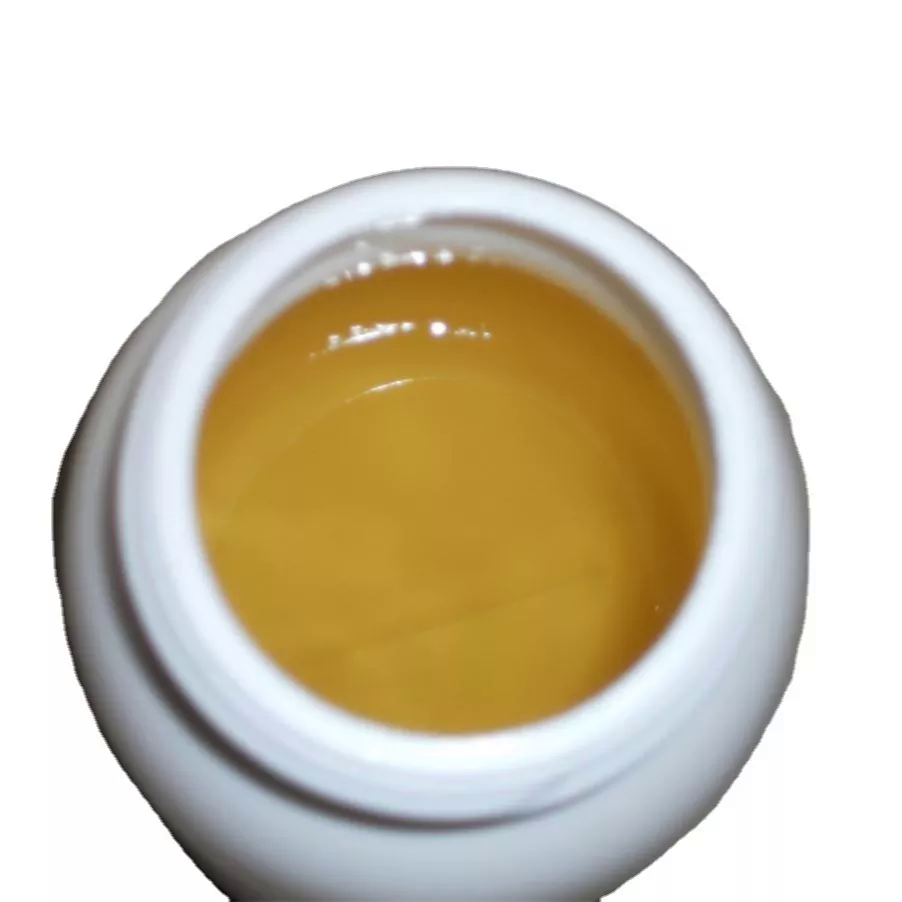
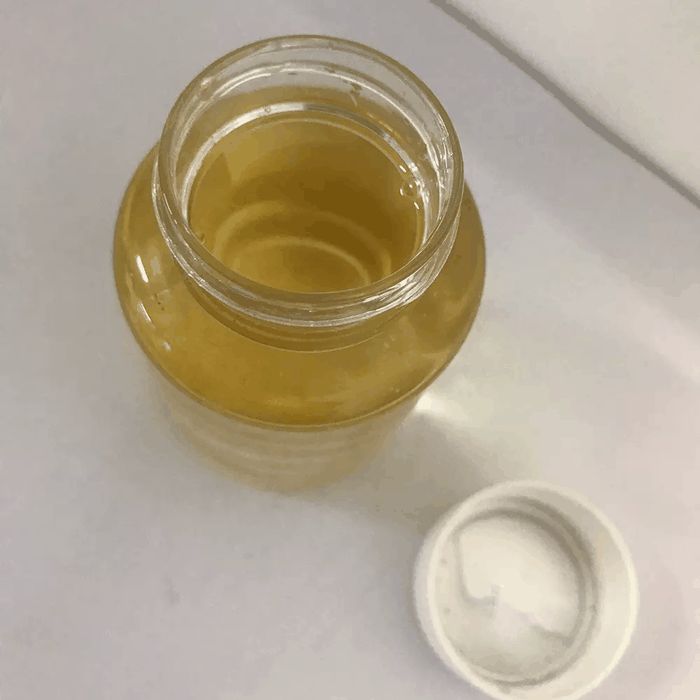
| color | Clear colorless to pale yellow |
| Odor | Faint alcohol. |
| Water Solubility | Not miscible or difficult to mix with water. Soluble in chloroform and ethyl acetate. |
| JECFA Number | 106 |
| BRN | 1698334 |
| Dielectric constant | 5.9800000000000004 |
| Stability: | Stable. Combustible. Incompatible with strong oxidizing agents, strong acids. |
| CAS DataBase Reference | 112-42-5(CAS DataBase Reference) |
| EPA Substance Registry System | 1-Undecanol (112-42-5) |
Safety information for 1-UNDECANOL
| Signal word | Warning |
| Pictogram(s) |
 Exclamation Mark Irritant GHS07  Environment GHS09 |
| GHS Hazard Statements |
H319:Serious eye damage/eye irritation H410:Hazardous to the aquatic environment, long-term hazard |
| Precautionary Statement Codes |
P264:Wash hands thoroughly after handling. P264:Wash skin thouroughly after handling. P273:Avoid release to the environment. P280:Wear protective gloves/protective clothing/eye protection/face protection. P391:Collect spillage. Hazardous to the aquatic environment P305+P351+P338:IF IN EYES: Rinse cautiously with water for several minutes. Remove contact lenses, if present and easy to do. Continuerinsing. P337+P313:IF eye irritation persists: Get medical advice/attention. |
Computed Descriptors for 1-UNDECANOL
New Products
2-Bromo-4-hydroxypyridine Dibenzoyl-L-tartaric acid Anhydrous (Resolution Reagent) Dibenzo[b,f][1,4]thiazepin-11(10H)-one 1,2,3,9-Tetrahydro-9-Methyl-4H-Carbazole-4-One Cis-Tosylate 1-(4-methoxyphenyl)-4-(4-Nitrophenyl)Piperazine (IT-1) 2'-Fluoroacetophenone 1-aminocyclobutanecarbonitrile hydrochloride AMINO-O-TOLYL-ACETIC ACID N-Methyl-2-amino-2-methylpropionamide 4-(FMOC-AMINO)-TETRAHYDROPYRAN-4-CARBOXYLIC ACID 1-Aminocyclobutanecarboxylic Acid Hydrochloride METHANOL-D1(OD) TERTIARY BUTANOL-D9 N-ETHYL-D5-AMINE HYDROCHLORIDE BENZOIC ACID-D CHLOROFORM-D TOLUENE-D3 2-(2-Bromophenyl)ethanol Boc-D-Glu(OMe)-OMe 2,5 Dibromopyridine Ethyl 4-hydroxy-3-oxobutanoate Dimethyl (2S)-2-((tert-butoxycarbonyl)amino)-4-(cyanomethyl)pentanedioate 1-(3-Chlorophenyl)piperazine hydrochlorideRelated products of tetrahydrofuran






You may like
-
 112-42-5 UNDECANOL 98%View Details
112-42-5 -
 112-42-5 / 30207-98-8 99%View Details
112-42-5 / 30207-98-8 -
 1-Undecanol 112-42-5 / 30207-98-8 98%View Details
112-42-5 / 30207-98-8 -
1-Undecanol, 99% CAS 112-42-5View Details
112-42-5 -
1-Undecanol CAS 112-42-5View Details
112-42-5 -
1-Undecanol CAS 112-42-5View Details
112-42-5 -
98071-16-0 1-Aminocyclobutanecarboxylic Acid Hydrochloride 98+View Details
98071-16-0 -
 ADC-151View Details
27176-87-0