
Retatrutide
- CAS NO.:2381089-83-2
- Molecular Weight: 0
- EINECS: 200-001-8
- Update Date: 2026-04-21 10:31:43
What is Retatrutide?
Description
Retatrutide is a novel triple agonist peptide of the glucagon receptor (GCGR), glucose-dependent insulinotropic polypeptide receptor (GIPR) and glucagon-like peptide-1 receptor (GLP-1R). Retatrutide inhibits human GCGR, GIPR and GLP-1R with EC50 values of 5.79, 0.0643 and 0.775 nM, respectively and mouse GCGR, GIPR, and GLP-1R with EC50 values of 2.32, 0.191 and 0.794 nM, respectively. It is an important tool for obesity research.
Retatrutide potently activates the GLP-1R signaling pathway to stimulate glucose-dependent insulin secretion through activity at the GIP receptor (GIPR) or the GLP-1R.
Retatrutide is a synthetic peptide with glucose-lowering effects. It is an antidiabetic agent against type 2 diabetes (T2D), stimulating insulin and suppressing glucagon secretion in a glucose-dependent manner.
Retatrutide was also shown to delay gastric emptying, lower fasting and postprandial glucose concentration, decrease food intake and reduce body weight in patients with type 2 diabetes.
Biological Activity
Retatrutide (LY3437943), a single peptide conjugated to a lipid diacid molecule, exerts a powerful agonist effect on the human glucagon‐receptor (GCGR), GIPR, and GLP‐1R. In comparison with the human glucagon and glucagon‐like peptide 1 (GLP‐1), retatrutide exhibits reduced potency (by a factor of 0.3 and 0.4, respectively) on the GCGR and GLP‐1R while displaying enhanced potency at the human GIPR (by a factor of 8.9) when compared to the glucose‐dependent insulinotropic polypeptide (GIP)[7].
Mechanism of action
When injected into mice suffering from diabetes-induced kidney injury, retatrutide was found to markedly reduce albuminuria levels while also increasing renal filtration rate. This was attributed to its ability to activate GLP-1R/GR-dependent signalling pathways, which then produced anti-inflammatory and antiapoptotic effects that protected the kidneys from further damage. Additionally, it has been shown to directly modulate glomerular permeability, thus leading to improved urinary concentration. Initial results indicate that the peptide can induce marked improvements in albuminuria levels within just four weeks of treatment when compared to other treatments for chronic kidney disease such as ACE inhibitors or angiotensin receptor blockers (ARBs). Moreover, retatrutide has demonstrated a greater effect than either ACE inhibitors or ARBs at reducing systolic blood pressure without inducing significant side effects.
Side Effects
The most common side effects of retatrutide are gastrointestinal, including: Nausea, Diarrhea, Vomiting, and Constipation. At higher doses, researchers stated these symptoms were "mostly mild to moderate in severity" and typically treated by lowering the dosage. However, 7% of patients also experienced skin tingling. At 24 weeks of treatment, patients' heart rates on higher doses peaked but declined afterward.
in vitro
In vitro, Retatrutide demonstrates similar efficacy to natural glucagon in evoking glucose production within hepatocytes. Meanwhile, in adipocytes, it surpasses native GIP in inducing lipolysis. Retatrutide is effective in reducing weight in individuals with nonsyndromic obesity. Retatrutide demonstrates dosage‐dependent pharmacokinetics, featuring a favourable half‐life of nearly 6 days, enabling convenient weekly administration. Additionally, GLP‐1 and GCG are known to significantly delay GE in humans, while GIP may have no impact on GE. Delayed GE reduces food consumption and, therefore, leads to weight reduction[7].
References
1. LY3437943, a novel triple glucagon, GIP, and GLP-1 receptor agonist for glycemic control and weight loss: From discovery to clinical proof of concept: T. Coskun, et al.; Cell Metab. 34, 1234 (2022) DOI:10.1016/j.cmet.2022.07.013
2. The novel GIP, GLP-1 and glucagon receptor agonist retatrutide delays gastric emptying: S. Urva, et al.; Diabetes Obes. Metab. 25, 2784 (2023) DOI:10.1111/dom.15167
3. LY3437943, a novel triple GIP, GLP-1, and glucagon receptor agonist in people with type 2 diabetes: a phase 1b, multicentre, double-blind, placebo-controlled, randomised, multiple-ascending dose trial: S. Urva, et al.; Lancet 400, 1869 (2022) DOI:10.1016/S0140-6736(22)02033-5
4. Is retatrutide (LY3437943), a GLP-1, GIP, and glucagon receptor agonist a step forward in the treatment of diabetes and obesity? S.A. Doggrell; Expert Opin. Investig. Drugs 32, 355 (2023) DOI:10.1080/13543784.2023.2206560
5. Differentiation of human subcutaneous adipocytes and measurement of lipolytic function induced by GIP or LY3437943: A. Regmi & W. Roell; STAR Protoc. 4, 102304 (2023) DOI:10.1016/j.xpro.2023.102304
6. Gut hormone co-agonists for the treatment of obesity: from bench to bedside: R. Nogueiras, et al.; Nature Metab. 5, 933 (2023) (Review) DOI:10.1038/s42255-023-00812-z
7. Muhammad Naeem, Umm E Salma Shabbar Banatwala, Laiba Imran. “Unleashing the power of retatrutide: A possible triumph over obesity and overweight: A correspondence.” Health Science Reports 7 2 (2024).
Properties of Retatrutide
| storage temp. | -20°C |
| form | powder |
| color | White lyophilized |
| Water Solubility | Soluble in water (5mg/ml). |
Safety information for Retatrutide
Computed Descriptors for Retatrutide
New Products
2-Ethoxyphenol Methyl 2-methoxy-5-sulfamoylbenzoate Ethyl 2-chloro-2-(2-(4-methoxyphenyl)hydrazono)acetate 3,6-Dichloropyridazine 3,6-Dichloro-4-Isopropylpyridazine 2-[(2-Ethoxyphenoxy)methyl]oxirane m-Tolualdehyde p-Anisaldehyde 2-Bromobenzaldehyde 4-Fluorobenzaldehyde 1-Propyl-4-piperidone 3-Amino-3-(3-fluorophenyl)propanoic acid 6-Methyl-2-pyridinemethanol 2-Pyridinecarboxaldehdye tert-Butyl ((1R,2S,5S)-2-amino-5-(dimethylcarbamoyl)cyclohexyl)carbamate 1-Indanone 2-Chloromethyl-6-methyl-pyridine 4-Morpholinoaniline Abiraterone Ethyl Ether 1-nitro-3,5-dimethyl adamantine (NMEM) Vardenafil Bis-sulphonamide(Dimer) 3-(2-aminoethyl) benzene sulfonamide Nabumetone Impurity 5 2,2-dibromo-1-cyclopropyl-2-(2-fluorophenyl)ethan-1-oneYou may like
-
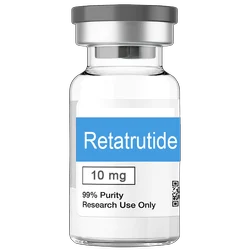 Retatrutide 10mg, 15mg, 20mg, & 30mgView Details
2381089-83-2 -
 retatrutide 6 mg, Packaging Type: Bottle, PowderView Details
2381089-83-2 -
 Retatrutide 16 mg Peptide, Powder, Packaging Type: BottleView Details
2381089-83-2 -
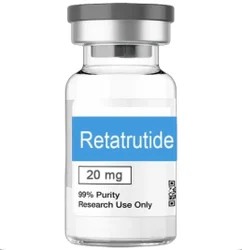 Retatrutide 20Mg Peptide Vial, PowderView Details
2381089-83-2 -
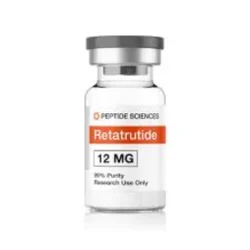 Retatrutide 12 mgView Details
2381089-83-2 -
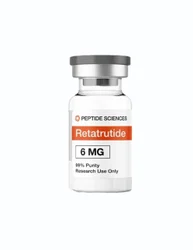 Retatrutide 6 mgView Details
2381089-83-2 -
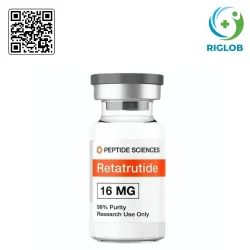 Retatrutide 16 Mg InjectionView Details
2381089-83-2 -
 Retatrutide 12MgView Details
2381089-83-2