
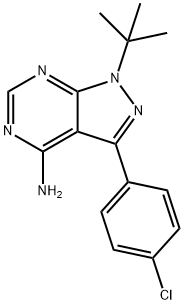
PP2A
Synonym(s):PP2A-alpha;PP2Ac;PP2CA;PPP2CA;RP-C
- Molecular Weight: 0
- MDL number: MFCD00284398
- Update Date: 2023-04-23 13:52:06
What is PP2A?
General Description
Protein phosphatase 2A-α (PP2A-α) is also known as protein phosphatase 2A activator. PP2A is one of the four major serine/threonine phosphatases and is a human tumor suppressor that inhibits cellular transformation. PP2A α gene encodes a specific phosphotyrosyl phosphatase activator of the dimeric form of protein phosphatase-2A. Protein phosphatase 2A holoenzyme is a heterotrimeric protein composed of a structural subunit A, a catalytic subunit C, and a regulatory subunit B. PTP2A α can alter the substrate specificity of PP2A leading to enhanced phosphotyrosine phosphatase activity and decreased phosphoserine phosphatase activity. The gene encoding this protein is localized on human chromosome 5q31.1.
Properties of PP2A
| storage temp. | -70°C |
| form | buffered aqueous glycerol solution |
Safety information for PP2A
Computed Descriptors for PP2A
New Products
2-(2-Chlorophenyl)glycine Propiolic Acid 1-(3-Hydroxy-4-methoxyphenyl)-2-nitroethene (±)-amino(2-fluorophenyl)acetic acid trans-3-Benzyloxy-4-methoxy-beta-nitrostyrene 1-Pentadecanol 4-(4-Αminophenyl)-3-Morpholinone 3-Morpholino-1-(4-(2-oxopiperidin-1-yl) phenyl)-5,6-dihyropyridin-2-(1H)-one 1-(4-Aminophenyl)-3-morpholino-5,6-dihydropyridin-2(1H)-one N-cyanoacetylurethane 1H-IndazoleRelated products of tetrahydrofuran
You may like
-
 40216-83-9 trans-4-Hydroxy-L-proline methyl ester hydrochloride 98+View Details
40216-83-9 -
471-25-0 Propiolic Acid 98+View Details
471-25-0 -
84145-28-8 98+View Details
84145-28-8 -
trans-3-Benzyloxy-4-methoxy-beta-nitrostyrene 98+View Details
63909-29-5 -
2-(2-Chlorophenyl)glycine 88744-36-9 98+View Details
88744-36-9 -
40216-83-9 trans-4-Hydroxy-L-proline methyl ester hydrochloride 98+View Details
40216-83-9 -
629-76-5 98+View Details
629-76-5 -
1-(3-Hydroxy-4-methoxyphenyl)-2-nitroethene 98+View Details
39816-35-8
Statement: All products displayed on this website are only used for non medical purposes such as industrial applications or scientific research, and cannot be used for clinical diagnosis or treatment of humans or animals. They are not medicinal or edible.