
PETROLEUM ETHER
- CAS NO.:8030-30-6
- Empirical Formula: CnH2n+2(n=5~8)
- Molecular Weight: 0
- MDL number: MFCD00081849
- EINECS: 232-443-2
- Update Date: 2026-05-28 02:12:41
What is PETROLEUM ETHER?
Chemical properties
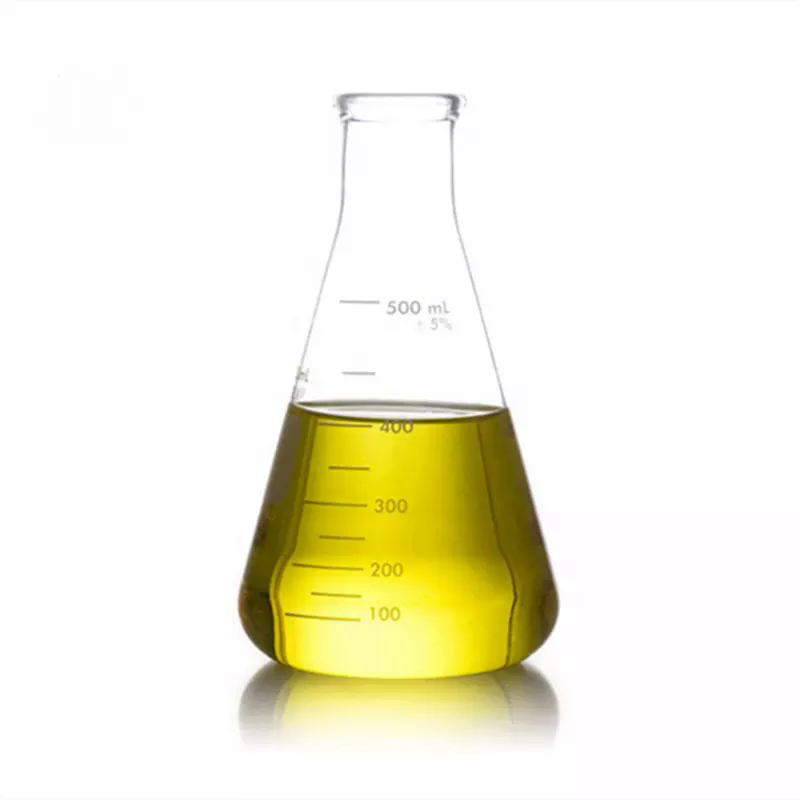
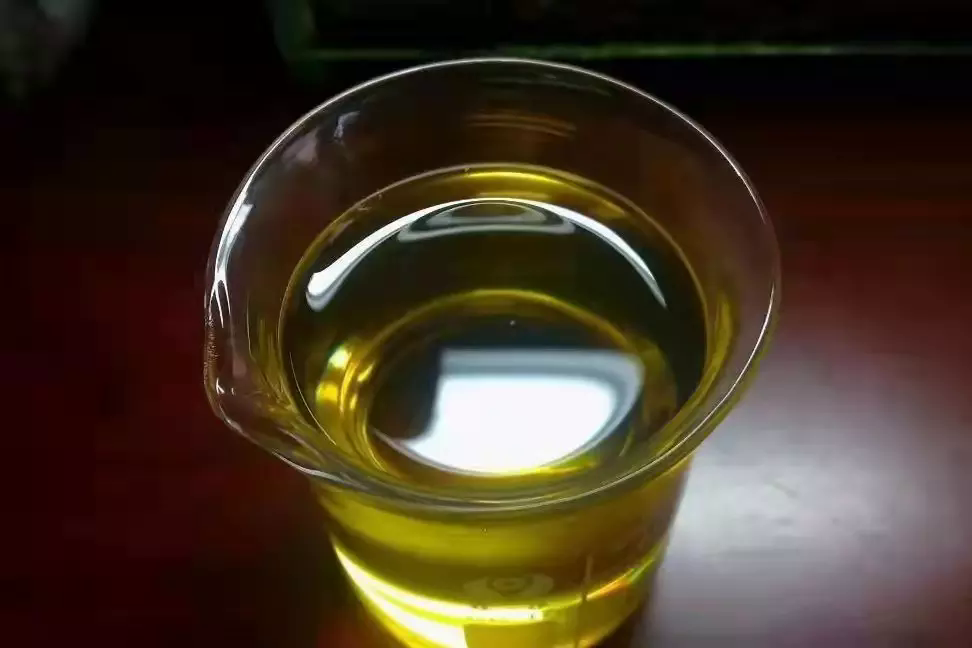
reddish-brown mobile liquid with aromatic odour
Chemical properties
Naphthas derived from both petroleum and coal tar are included in this group. Petroleum naphthas are colorless liquids. Gasoline or kerosene-like odor. A mixture of paraffins (C5-C13) that may contain a small amount of aromatic hydrocarbons, and are termed “close-cut” fractions. “Medium-range” and “wide-range” fractions are made up of 40-80% aliphatic hydrocarbons; 25-50% naphthenic hydrocarbons; 0-10% benzene, and 0-20% other aromatic hydrocarbons.
The Uses of PETROLEUM ETHER
Pharmaceutic aid (solvent).
The Uses of PETROLEUM ETHER
Diluent for paints, coatings, resins, printing inks, rubbers, and cements; solvent.
Definition
A general term applied to refined, partly refined, or unrefined petroleum products and liquid products of natural gas, not less than 10% of which distill below 347F (175C) and not less than 95% of which distill below 464F (240C) when subjected to distillation in accordance with the Standard Method of Test for Distillation of Gasoline, Naphtha, Kerosene, and Similar Petroleum Products
Production Methods
High flash naphtha C19 aromatic hydrocarbon components are obtained by dehydrogenating naphthenes and are primarily ethyltoluene and trimethylbenzene.
General Description
A clear colorless to dark brownish colored liquid with an aromatic odor. Less volatile fraction separated from coal tar by distillation. Contains naphthalene, acenaphthene, methylnaphthalenes, fluorene, phenol, cresols, pyridine, picolines, among other substances. Flash point greater than 100 °F. Toxic by inhalation and skin absorption. Less dense than water and insoluble in water. Vapors heavier than air.
Air & Water Reactions
Highly flammable. Insoluble in water.
Reactivity Profile
Saturated aliphatic hydrocarbons, which are contained in NAPHTHA, may be incompatible with strong oxidizing agents like nitric acid. Charring of the hydrocarbon may occur followed by ignition of unreacted hydrocarbon and other nearby combustibles. In other settings, aliphatic saturated hydrocarbons are mostly unreactive. They are not affected by aqueous solutions of acids, alkalis, most oxidizing agents, and most reducing agents. When heated sufficiently or when ignited in the presence of air, oxygen or strong oxidizing agents, they burn exothermically to produce carbon dioxide and water. May be ignited by strong oxidizers. Incompatible with strong oxidizers .
Hazard
Flammable, dangerous fire risk, explosive limits in air 1–6%.
Health Hazard
Primarily a narcotic, causing unconsciousness in high concentrations. The symptoms of acute benzene poisoning are not likely, since the compound has components other than benzene.
Flammability and Explosibility
Extremely flammable
Safety Profile
A human poison via intravenous route. Experimental carcinogenic effects reported by skin contact. Human systemic effects by intravenous route: dyspnea, respiratory stimulation, and other unspecified respiratory effects. Mildly toxic by inhalation. Can cause unconsciousness, which may be followed by coma, stentorious breathing, and bluish tint to the skin. Recovery follows removal from exposure. In mild form, intoxication resembles drunkenness. On a chronic basis, no true poisoning; sometimes headache, lack of appetite, dizziness, sleeplessness, indigestion, and nausea. A common air contaminant. Flammable liquid when exposed to heat or flame; can react with oxidzing materials. Keep containers tightly closed. Slight explosion hazard. To fight fire, use foam, CO2, dry chemical.
Potential Exposure
Naphthas are used as organic solvents for dissolving or softening rubber, oils, greases, bituminous paints, varnishes, and plastics. The less flammable fractions are used in dry cleaning. The heavy naphthas are used as a vehicle for various pesticides. Coal tar naphthas are used as quick-drying paint solvent; in the manufacture of floor coverings; resin solution; varnish; VM&P naphtha is used as a solvent for lacquers and varnishes and as a rapid-dry paint thinner.
Shipping
UN1136 Coal tar distillates, flammable, Hazard Class: 3; Labels: 3-Flammable liquid.
Incompatibilities
Incompatible with oxidizers (chlorates, nitrates, peroxides, permanganates, perchlorates, chlorine, bromine, fluorine, etc.); contact may cause fires or explosions. Keep away from alkaline materials, strong bases, strong acids, oxoacids, epoxides.
Waste Disposal
Dissolve or mix the material with a combustible solvent and burn in a chemical incinerator equipped with an afterburner and scrubber. All federal, state, and local environmental regulations must be observed.
Properties of PETROLEUM ETHER
| Boiling point: | 90-100 °C |
| Density | 0.77 g/mL at 20 °C |
| vapor density | 2.5 (vs air) |
| vapor pressure | 25.8 psi ( 55 °C) |
| refractive index | n |
| Flash point: | −57 °F |
| form | Clear colorless to yellow
liquid; petroleum distillate containing C5 to
C11 hydrocarbons; a typical composition is
paraffins 55.4%, naphthenes 30.3%, alkyl
benzene 11.7%, dichloroparaffins 2.4%, and
benzene less than 0.1%. |
| Specific Gravity | 0.671 (20/4℃) |
| Stability: | Stable. Highly flammable. Incompatible with strong oxidizing agents. |
| EPA Substance Registry System | Naphtha (8030-30-6) |
Safety information for PETROLEUM ETHER
Computed Descriptors for PETROLEUM ETHER
PETROLEUM ETHER manufacturer
New Products
9-Mesityl-10-methylacridinium perchlorate Sulfapyridine Fmoc-OSu (R)-(-)-2-Amino-1-propanol Cyclobutanone 5-bromo-4-fluoro-2-nitrobenzaldehyde Phenethyl cinnamate Obidoxime hydrochloride API Pyrrolo[1,2-a]pyrimidine-6-carboxylic acid, 4,6,7,8-tetrahydro-4-oxo-, sodium salt (1:1), (6S) Dipropyl disulfide N-Vinylformamide 4 pentyn 1 ol Methacrylate-PEG-Methacrylate, Mn:35000 2,4-Dihydroxyacetophenone 2-Chloro 5-Fluoro Pyridine Vasicinone 2-Chloroisonicotinic Acid Tween 80 or Polysorbate 80 Carbozantinib intermediate(n-1) N-(4-fluoro-2-methoxy-5-nitrophenyl)-4-(1-methyl-1H-indol-3-yl)pyrimidin-2-amine Pirtobrutinib intd. N-(4-Cyano-3-(trifluoromethyl)phenyl)-2-methyloxirane-2-carboxamide 2-Pentyn-1-oL 4-NitrobenzotrifluorideRelated products of tetrahydrofuran

You may like
-
 8030-30-6 Naphtha 98%View Details
8030-30-6 -
 8030-30-6 98%View Details
8030-30-6 -
Naphtha 98%View Details
8030-30-6 -
 Naphtha Solvent CAS 8030-30-6View Details
8030-30-6 -
 Mineral TurpentineView Details
8030-30-6 -
1191-95-3 Cyclobutanone 98+View Details
1191-95-3 -
Fmoc-OSu 98+View Details
82911-69-1 -
(R)-(-)-2-Amino-1-propanol 35320-23-1 98+View Details
35320-23-1