
Oclacitinib maleate
- CAS NO.:1640292-55-2
- Empirical Formula: C19H27N5O6S
- Molecular Weight: 453.51258
- Update Date: 2026-04-14 09:55:04
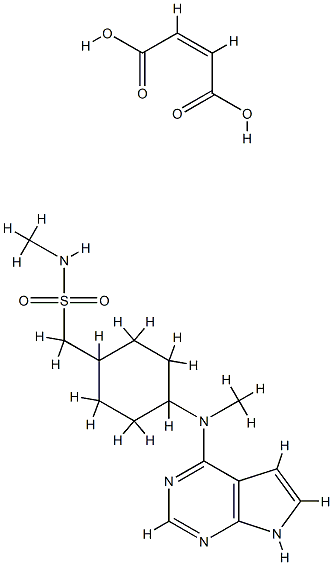
What is Oclacitinib maleate?
Description
Oclacitinib maleate is a tablet oral, highly effective, speciality veterinary medicine approved for the treatment of skin diseases such as atopic dermatitis and atopic dermatitis or pruritus in dogs. In off-label use it can also be used for skin infections in other animals such as cats, bears and horses. It is used twice daily for 2 weeks, then reduced to a maintenance dose of once daily. It usually reduces itching very rapidly (within 24 hours) and is considered to be as effective as corticosteroids such as prednisolone.Oclacitinib maleate has not been studied for use in humans and is not approved for use in humans by the U.S. Food and Drug Administration.
The Uses of Oclacitinib maleate
Oclacitinib Maleate is a novel Janus kinase (JAK) inhibitor with activity against cytokines involved in allergy (1,2).
Biological Activity
Oclacitinib was most potent at inhibiting JAK1 (IC50 = 10 nm). Oclacitinib also inhibited the function of JAK1-dependent cytokines involved in allergy and inflammation (IL-2, IL-4, IL-6, and IL-13) as well as pruritus (IL-31) at IC50 's ranging from 36 to 249 nM.
Clinical Use
Oclacitinib maleate is a Janus kinase 1 (JAK-1)/signal transducer and activator of transcription (STAT) inhibitor. It is approved for the treatment of pruritus associated with allergic dermatitis (including atopic dermatitis) in dogs at least 12 months of age. It may also be effective in the treatment of other skin conditions in dogs and is occasionally used to treat certain skin conditions in cats. In addition, studies have shown that Oclacitinib maleate may also treat Andean bear (Tremarctos ornatus) alopecia syndrome (ABAS), and no adverse effects have been observed.
Side Effects
Oclacitinib maleate use has no side effects in most dogs, the most common side effects include gastrointestinal reactions (such as vomiting, diarrhoea and decreased appetite) and lethargy. These effects can usually be relieved by taking the drug with food. Less common side effects may include urinary tract infections, respiratory infections and skin infections and new skin growths. A small number of dogs have developed helminthic mite disease, pneumonia, bloody diarrhoea and histiocytoma.
Properties of Oclacitinib maleate
| storage temp. | Store at -20°C |
| solubility | DMSO (Slightly), Methanol (Slightly) |
| form | Solid |
| color | White to Off-White |
Safety information for Oclacitinib maleate
Computed Descriptors for Oclacitinib maleate
| InChIKey | VQIGDTLRBSNOBV-BTJKTKAUSA-N |
New Products
4-Nitrobenzoic acid p-Tolualdehyde 4-Chlorobenzaldehyde 2-Fluorobenzaldehyde Diethylene glycol monomethyl ether 3-Chlorobenzaldehyde N5-(2-aminoethyl)pyridine-2,5-diamine hydrochloride N-Nitroso Desloratadine Ornidazole EP impurity C Domperidone Impurity Valsartan Desalkyl Clomiphene benzophenone analog 3,5-Dibromo-2-Nitropyridine Tert-butyl 4-(6-nitropyridine-3-yl)piperazine-1-carbaxylate 1-Methyl-4-(6-aminopyridin-3-yl)piperazine 2,5-Dichloro-4-Methylpyridine 2,4,5-Trichloropyridine 5-((4-Ethylpiperazin-1-yl)methyl)pyridin-2-amineYou may like
-
 1122-91-4 98+View Details
1122-91-4 -
o-Anisaldehyde 135-02-4 98+View Details
135-02-4 -
3-Bromobenzaldehyde 3132-99-8 98+View Details
3132-99-8 -
89-98-5 2-Chlorobenzaldehyde 98+View Details
89-98-5 -
529-20-4 98+View Details
529-20-4 -
456-48-4 3-Fluorobenzaldehyde 98+View Details
456-48-4 -
 Ethyl 2-chloro-2-(2-(4-methoxyphenyl)hydrazono)acetateView Details
27143-07-3 -
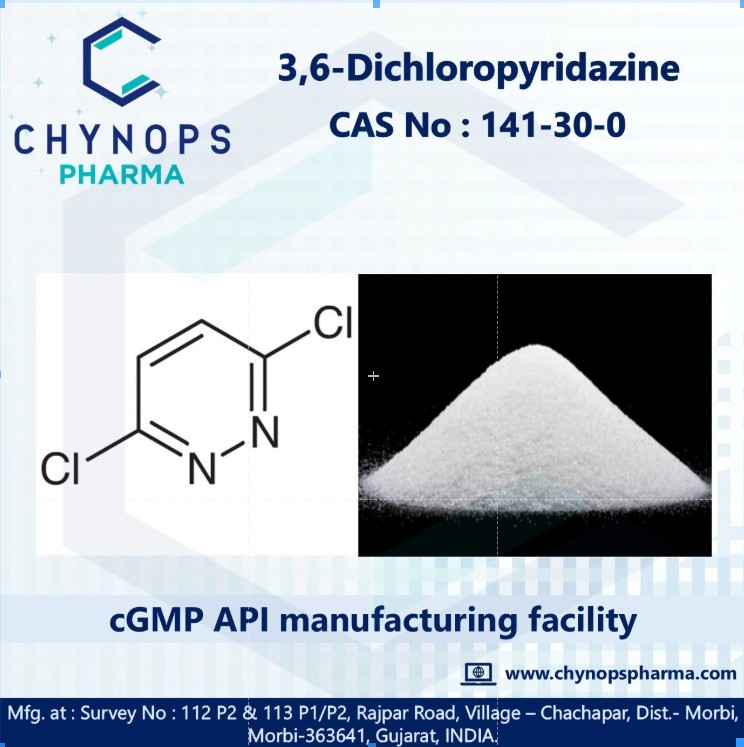 3,6-DichloropyridazineView Details
141-30-0