
Eslicarbazepine Acetate
- Molecular Weight: 0
- Update Date: 2023-04-23 13:52:06
What is Eslicarbazepine Acetate?
The Uses of Eslicarbazepine Acetate
Eslicarbazepine acetate, (BIA 2-093), is a promising antiepileptic drug structurally related to Carbamazepine and Oxcarbazepine. Neuroprotective & Neuroresearch product.
Clinical Use
Eslicarbazepine acetate is a prodrug of eslicarbazepine (licarbazepine) which is a metabolite of oxcarbazepine. Eslicarbazepine acetate was recently approved in Europe for the treatment of adjunctive therapy for partial-onset of seizures, with or without secondary generalizations, in adults with epilepsy. 9 The mechanism of its action is the inhibition of voltage gated sodium channels in the brain, making brain cells less prone to excitability. The drug was discovered and developed by Bial, a small privately held Portuguese pharmaceutical company, and is marketed in Europe by Eisai Pharmaceutical Co.
Synthesis
A number of racemic syntheses have been reported that require separation using chiral auxiliaries along with several asymmetric reduction methods starting with the commercially available (Bosche Scientific, LLC) oxcarbazepine 48. The scheme highlights two asymmetric approaches, asymmetric reduction of ketone 48 followed by esterification or asymmetric hydrogenation of vinyl acetate 50 to give the acetate directly. Thus asymmetric reduction of oxcarbazepine 48 was accomplished using Ru(Cl2)(p-cymene)2 as the catalyst, (S,S)-TsDAEN with formic acid as the stoichiometric reductant in a mixed solvent system at reflux followed by cooling to 80°C. Addition of MTBE, followed by a slow cooling to room temperature afforded the crystals of alcohol 49, which were collected by filtration and dried to obtain a 95% isolated yield in 97.8% ee. Several experiments were described in the patent varying (1) catalyst loading, (2) equivalents of formic acid, (3) pH of the reaction, (4) reaction time and (5) the use of a phase transfer catalyst. Employment of the phase transfer catalyst gave 90% yield and >99.9% ee of the product with less than 2 ppm residual ruthenium content. Alcohol 49 was then converted to eslicarbazepine acetate IX by reacting with acetic anhydride in the presence of DMAP and pyridine in refluxing dichloromethane. After aqueous work-up, the crude product was crystallized from isopropanol to give the desired product eslicarbazepine acetate (IX) in 90% yield with 99.96% purity with undetectable amount of R isomer. In the second approach, the acetate intermediate 50 was formed first in 88% yield which was then reduced via catalytic hydrogenation in the presence of the preformed catalyst 51 to give eslicarbazepine acetate (IX) in 94% ee. No yield was given for the formation of the product using this route.

Drug interactions
Potentially hazardous interactions with other drugs Antidepressants: anticonvulsant effect possibly antagonised by MAOIs, SSRIs and TADs; avoid with St John’s wort.Antiepileptics: avoid concomitant use with carbamazepine, oxcarbazepine; concentration reduced by phenytoin and concentration of phenytoin increased.Antimalarials: anticonvulsant effect antagonised by mefloquineAntipsychotics: antagonism of anticonvulsant effectOestrogens and progestogens: reduced contraceptive effect.Orlistat: possibly increased risk of convulsions.Ulipristal: possibly reduces contraceptive effect - avoid
Metabolism
Eslicarbazepine acetate is rapidly and extensively biotransformed to its major active metabolite eslicarbazepine by hydrolytic first-pass metabolism. Minor metabolites in plasma are R-licarbazepine and oxcarbazepine, which were shown to be active, and the glucuronic acid conjugates of eslicarbazepine acetate, eslicarbazepine, R-licarbazepine and oxcarbazepine. Eslicarbazepine acetate and its metabolites are mainly excreted in the urine unchanged.
Properties of Eslicarbazepine Acetate
| Melting point: | 176 - 178°C |
| storage temp. | Hygroscopic, -20°C Freezer, Under Inert Atmosphere |
| solubility | Chloroform (Slightly), Pyridine (Slightly) |
| form | Solid |
| color | White to Pale Brown |
Safety information for Eslicarbazepine Acetate
Computed Descriptors for Eslicarbazepine Acetate
New Products
6-Hydroxy-2,4-Diaminopyrimidine 2,6-Dipicolic Acid 3-AMINO-3-(2-CHLORO-PHENYL)-PROPIONIC ACID 4-Fluorophenylglycine 1-N-Boc-3-(aminoethyl)azetidine Dimedone 1-Boc-3-(cyanomethyl)azetidine N-BOC-piperidine-4-carboxylic acid 2,5-Dibromopyridine 5-Amino-2-Hydroxypyridine 2-Amino-5-Iodopyridine 3-BROMO PYRIDINE-D4 2-BROMOACETYL BROMIDE-D2 SODIUM DEUTEROXIDE 40% W/W IN D2O DEUTERIUM OXIDE FOR NMR BENZENE-D6 TOLUENE-D3 5-Acetylsalicylamide 1-(3-Chlorophenyl)-4-(3-Chloropropyl) piperazine hydrochloride 4-(Methyl amino)-3-Nitro benzoic acid 3,4,5-Trimethoxy benzoic acidYou may like
-
 Eslicarbazepine Acetate 98%View Details
 -
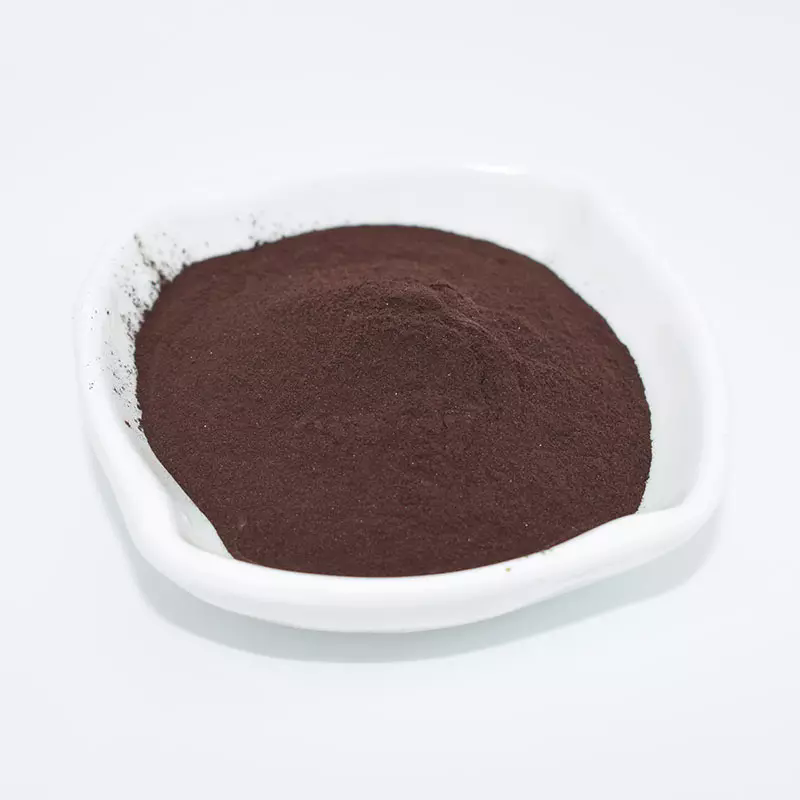 ESLICARBAZEPINE ACETATE 99%View Details
 -
 350-03-8 3-AcetylpyridineView Details
350-03-8 -
6-Chloro-2,4-Diamino pyrimidine 156-83-2View Details
156-83-2 -
1-(4-Aminophenyl)-4-(4-methoxyphenyl)Piperazine 74852-62-3View Details
74852-62-3 -
556-08-1 4-Acetamidobenzoic acidView Details
556-08-1 -
5-Bromo-2-Chlorobenzoic acid 21739-92-4View Details
21739-92-4 -
15128-52-6View Details
15128-52-6