
Elemicin
- CAS NO.:487-11-6
- Empirical Formula: C12H16O3
- Molecular Weight: 208.25
- MDL number: MFCD01656688
- EINECS: 207-649-0
- SAFETY DATA SHEET (SDS)
- Update Date: 2026-11-04 17:04:01

What is Elemicin?
Description
Elemicin is a trioxygenated phenylpropane that has been found in A. dracunculus. It is active against S. aureus, B. subtilis, and C. albicans (MICs = 600, 2,500, and 1,000 mg/L, respectively) but not E. coli, K. pneumoniae, P. aeruginosa (MICs = >8,000 mg/L for all), or L. monocytogenes (MIC = >3,000 mg/L). Elemicin is toxic to mice following metabolic activation to 1’-hydroxyelemicin by the cytochrome P450 (CYP) isoforms CYP1A1 and CYP1A2. It increases plasma and hepatic triglyceride levels, decreases stearoyl-CoA desaturase 1 (Scd1) expression, and induces hepatomegaly in mice when administered at a dose of 500 mg/kg per day for three weeks.
Chemical properties
Clear Colorless Oil
The Uses of Elemicin
A constituent of the essential oil of nutmeg and is responsible for the psychoactive effects of nutmeg. Also a minor constituent of the oleoresin and essential oil of Manila elemi (Canarium luzonicum). Exhibits anticholinergic-like effects in humans.
What are the applications of Application
Elemicin is a constituent of the essential oil of nutmeg
Definition
ChEBI: Elemicin is an olefinic compound.
Synthesis
Prod. :
1) by isolation from Elemi oil (high-boiling
fractions).
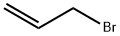
2) from Dimcthylpyrogallol plus Allyl bromide,
via 2,6-Dimethyl pyrogallol allylether.
This is heated in a Claisen-rearrangement
reaction to yield 4-Hydroxy-3,5-dimethoxy
allylbenzene. The latter is methylated to
yield Elemicine.
3) From Eugenol via 5-Hydroxyeugenol.
Properties of Elemicin
| Boiling point: | 152-156 °C |
| Density | 1.0630 g/cm3 |
| storage temp. | Amber Vial, -20°C Freezer |
| solubility | Chloroform (Slightly), Ethyl Acetate (Slightly) |
| form | Oil |
| color | Colourless |
| Odor | at 100.00 %. spice flower |
| Stability: | Light Sensitive |
| NIST Chemistry Reference | Benzene, 1,2,3-trimethoxy-5-(2-propenyl)-(487-11-6) |
Safety information for Elemicin
| Signal word | Warning |
| Pictogram(s) |
 Exclamation Mark Irritant GHS07 |
| GHS Hazard Statements |
H302:Acute toxicity,oral H315:Skin corrosion/irritation H319:Serious eye damage/eye irritation H335:Specific target organ toxicity, single exposure;Respiratory tract irritation |
| Precautionary Statement Codes |
P261:Avoid breathing dust/fume/gas/mist/vapours/spray. P280:Wear protective gloves/protective clothing/eye protection/face protection. P301+P312:IF SWALLOWED: call a POISON CENTER or doctor/physician IF you feel unwell. P302+P352:IF ON SKIN: wash with plenty of soap and water. P305+P351+P338:IF IN EYES: Rinse cautiously with water for several minutes. Remove contact lenses, if present and easy to do. Continuerinsing. |
Computed Descriptors for Elemicin
New Products
2-(2-Chlorophenyl)glycine Propiolic Acid 1-(3-Hydroxy-4-methoxyphenyl)-2-nitroethene (±)-amino(2-fluorophenyl)acetic acid trans-3-Benzyloxy-4-methoxy-beta-nitrostyrene 1-Pentadecanol 4-(4-Αminophenyl)-3-Morpholinone 3-Morpholino-1-(4-(2-oxopiperidin-1-yl) phenyl)-5,6-dihyropyridin-2-(1H)-one 1-(4-Aminophenyl)-3-morpholino-5,6-dihydropyridin-2(1H)-one N-cyanoacetylurethane 1H-IndazoleRelated products of tetrahydrofuran


You may like
-
 Elemicin 98% CAS 487-11-6View Details
487-11-6 -
471-25-0 Propiolic Acid 98+View Details
471-25-0 -
84145-28-8 98+View Details
84145-28-8 -
trans-3-Benzyloxy-4-methoxy-beta-nitrostyrene 98+View Details
63909-29-5 -
2-(2-Chlorophenyl)glycine 88744-36-9 98+View Details
88744-36-9 -
40216-83-9 trans-4-Hydroxy-L-proline methyl ester hydrochloride 98+View Details
40216-83-9 -
629-76-5 98+View Details
629-76-5 -
1-(3-Hydroxy-4-methoxyphenyl)-2-nitroethene 98+View Details
39816-35-8