
cyanic acid
- CAS NO.:71000-82-3
- Empirical Formula: CHNO
- Molecular Weight: 42.02
- SAFETY DATA SHEET (SDS)
- Update Date: 2026-07-17 13:46:23

What is cyanic acid?
Definition
ChEBI: Cyanate is a pseudohalide anion and an organonitrogen compound. It has a role as a human metabolite. It is a conjugate base of an isocyanic acid and a cyanic acid.
General Description
A class of generally colorless liquids with slight odors. Toxic by inhalation. Irritate skin, eyes, and mucous membranes. Decompose to emit toxic nitric oxide and cyanide fumes when heated to high temperatures. May be combustible. Used to make other chemicals.
Air & Water Reactions
Most react with water to generate highly toxic fumes.
Reactivity Profile
Isocyanates and thioisocyanates are incompatible with many classes of compounds, reacting exothermically to release toxic gases. Reactions with amines, aldehydes, alcohols, alkali metals, ketones, mercaptans, strong oxidizers, hydrides, phenols, and peroxides can cause vigorous releases of heat. Acids and bases initiate polymerization reactions in these materials. Some isocyanates react with water to form amines and liberate carbon dioxide. Base-catalysed reactions of isocyanates with alcohols should be carried out in inert solvents. Such reactions in the absence of solvents often occur with explosive violence [Wischmeyer1969].
Health Hazard
TOXIC; inhalation, ingestion or contact (skin, eyes) with vapors, dusts or substance may cause severe injury, burns or death. Bromoacetates and chloroacetates are extremely irritating/lachrymators. Reaction with water or moist air will release toxic, corrosive or flammable gases. Reaction with water may generate much heat that will increase the concentration of fumes in the air. Fire will produce irritating, corrosive and/or toxic gases. Runoff from fire control or dilution water may be corrosive and/or toxic and cause pollution.
Fire Hazard
HIGHLY FLAMMABLE: Will be easily ignited by heat, sparks or flames. Vapors form explosive mixtures with air: indoors, outdoors and sewers explosion hazards. Most vapors are heavier than air. They will spread along ground and collect in low or confined areas (sewers, basements, tanks). Vapors may travel to source of ignition and flash back. Substance will react with water (some violently) releasing flammable, toxic or corrosive gases and runoff. Contact with metals may evolve flammable hydrogen gas. Containers may explode when heated or if contaminated with water.
Properties of cyanic acid
| EPA Substance Registry System | Isocyanate (71000-82-3) |
Safety information for cyanic acid
Computed Descriptors for cyanic acid
New Products
2-Bromo-4-hydroxypyridine Dibenzoyl-L-tartaric acid Anhydrous (Resolution Reagent) Dibenzo[b,f][1,4]thiazepin-11(10H)-one 1,2,3,9-Tetrahydro-9-Methyl-4H-Carbazole-4-One Cis-Tosylate 1-(4-methoxyphenyl)-4-(4-Nitrophenyl)Piperazine (IT-1) 2'-Fluoroacetophenone 1-aminocyclobutanecarbonitrile hydrochloride AMINO-O-TOLYL-ACETIC ACID N-Methyl-2-amino-2-methylpropionamide 4-(FMOC-AMINO)-TETRAHYDROPYRAN-4-CARBOXYLIC ACID 1-Aminocyclobutanecarboxylic Acid Hydrochloride METHANOL-D1(OD) TERTIARY BUTANOL-D9 N-ETHYL-D5-AMINE HYDROCHLORIDE BENZOIC ACID-D CHLOROFORM-D TOLUENE-D3 2-(2-Bromophenyl)ethanol Boc-D-Glu(OMe)-OMe 2,5 Dibromopyridine Ethyl 4-hydroxy-3-oxobutanoate Dimethyl (2S)-2-((tert-butoxycarbonyl)amino)-4-(cyanomethyl)pentanedioate 1-(3-Chlorophenyl)piperazine hydrochlorideYou may like
-
 98071-16-0 1-Aminocyclobutanecarboxylic Acid Hydrochloride 98+View Details
98071-16-0 -
106914-07-2 N-Methyl-2-amino-2-methylpropionamide 98+View Details
106914-07-2 -
129592-98-9 98+View Details
129592-98-9 -
4-(FMOC-AMINO)-TETRAHYDROPYRAN-4-CARBOXYLIC ACID 98+View Details
285996-72-7 -
1-aminocyclobutanecarbonitrile hydrochloride 845821-84-3 98+View Details
845821-84-3 -
98071-16-0 1-Aminocyclobutanecarboxylic Acid Hydrochloride 98+View Details
98071-16-0 -
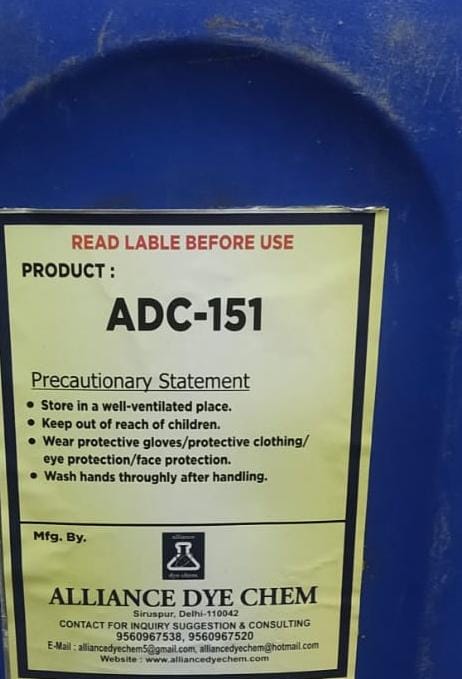 ADC-151View Details
27176-87-0 -
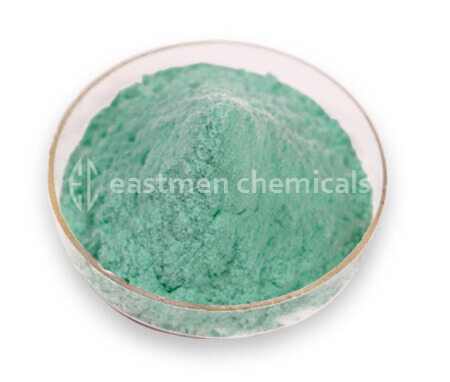 Nickel Acetate | Eastmen Chemicals - Manufacturer, Supplier, Exporter metallic saltsView Details