
Butyl acetate
Synonym(s):n-Butyl acetate;Acetic acid n-butyl ester, Butyl ethanoate;butanol;Butyl acetate;Butyl ethanoate
- CAS NO.:123-86-4
- Empirical Formula: C6H12O2
- Molecular Weight: 116.16
- MDL number: MFCD00009445
- EINECS: 204-658-1
- SAFETY DATA SHEET (SDS)
- Update Date: 2026-08-25 20:17:46
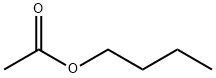
What is Butyl acetate?
Definition
ChEBI: Butyl acetate is the acetate ester of butanol. It has a role as a metabolite. It is functionally related to a butan-1-ol.
Description
n-Butyl acetate is a colorless, flammable liquid, found in many types of fruit, where it imparts characteristic flavors and has a sweet smell of banana or apple. It is used as an industrial solvent.
Synthesis
Butyl acetate is found in many types of fruits and can also be obtained through the esterification reaction of acetic acid with butanol:
First aid
If Butyl acetate gets into the eyes, remove anycontact lenses at once and irrigate immediately for at least 15 min, occasionally lifting upper and lower lids. Seek medical attention immediately. If this chemical contacts theskin, remove contaminated clothing and wash immediatelywith soap and water. Seek medical attention immediately. If this chemical has been inhaled, remove from exposure,begin rescue breathing (using universal precautions, including resuscitation mask) if breathing has stopped and CPR ifheart action has stopped. Transfer promptly to a medicalfacility. When this chemical has been swallowed, get medical attention. Give large quantities of saltwater and inducevomiting. Do not make an unconscious person vomit.
The Uses of Butyl acetate
Butyl Acetate is a medium boiling ester solvent. A colorless liquid with a fruity odor, butyl acetate is an active solvent for film-formers such as cellulose acetate butyrate, nitrocellulose, polyesters, epoxies, alkyds, vinyl copolymers, and acrylic resins. It is widely used in nitrocellulose lacquers, readily dissolving the resin and imparting good flow properties.
Butyl Acetate has an evaporation rate of 1.0, which provides a quick drying lacquer without inducing blushing under normal circumstances. It is a urethane grade solvent and is widely used in 2-K polyurethane coatings to help balance flow and dry time.
Metabolism
Metabolism data available on butyl acetate have been reviewed by several organizations, including CIR (2008), ECHA (2011a), OECD (2001), NICNAS (2014), and WHO (2005), among others. Studies conducted among rats show that butyl acetate is readily absorbed by the respiratory tract, skin, and gastrointestinal tract. Butyl acetate is rapidly distributed to all the major tissues in the body, including the brain (WHO, 2005). Distribution of butyl acetate to tissues is preferred over blood, based on tissue/blood partition coefficients, with a greater partition coefficient for fat followed by liver, kidney, brain, and muscle. Butyl acetate is metabolized extensively by rapid hydrolysis to n-butanol and acetic acid, which is catalyzed by esterases present in several tissues and blood; n-butanol was found at higher concentrations in both blood (Cmax = 52 μg equivalents/g at Tmax 2.6 min) and brain (Cmax = 79 μg equivalents/g at Tmax 2.5 min), which was also eliminated from both tissues (biphasic elimination; t1/2, of 1–1.2 min) and was undetectable beyond 20 min post-dosing.
Precautions
On exposure to Butyl acetate, immediately wash with plenty of water, also under the eyelids, for at least 15 min. Remove contact lenses. Butyl acetate is flammable in the pres ence of open flames, sparks, oxidizing materials, acids, and alkalis. It poses explosion risk in the presence of mechanical impact. For health safety, management authorities should provide exhaust ventilation facilities at the workplace to keep the airborne concentrations of vapors of Butyl acetate below TLV.
Properties of Butyl acetate
| Melting point: | -78 °C (lit.) |
| Boiling point: | 124-126 °C (lit.) |
| Density | 0.88 g/mL at 25 °C (lit.) |
| vapor density | 4 (vs air) |
| vapor pressure | 15 mm Hg ( 25 °C) |
| refractive index | n |
| FEMA | 2174 | BUTYL ACETATE |
| Flash point: | 74 °F |
| storage temp. | Store at +5°C to +30°C. |
| solubility | 5.3g/l |
| form | Liquid |
| color | ≤10(APHA) |
| Specific Gravity | 0.883 (20/20℃) |
| PH | 6.2 (5.3g/l, H2O, 20℃)(External MSDS) |
| Odor | Characteristic; agreeable fruity (in low concentrations); non residual. |
| explosive limit | 1.4-7.5%(V) |
| Odor Threshold | 0.016ppm |
| Water Solubility | 0.7 g/100 mL (20 ºC) |
| FreezingPoint | -77.9℃ |
| λmax | λ: 254 nm Amax: 1.0 λ: 260 nm Amax: 0.20 λ: 275 nm Amax: 0.04 λ: 300 nm Amax: 0.02 λ: 320-400 nm Amax: 0.01 |
| Merck | 14,1535 |
| JECFA Number | 127 |
| BRN | 1741921 |
| Henry's Law Constant | 5.79 at 37 °C (static headspace-GC, van Ruth et al., 2001) |
| Exposure limits | TLV-TWA 150 ppm (~710 mg/m3) (ACGIH,
MSHA, and OSHA); TLV-STEL 200 ppm
(~950 mg/m3); IDLH 10,000 ppm (NIOSH). |
| Dielectric constant | 5.0(20℃) |
| Stability: | Stable. Flammable. Incompatible with strong oxidizing agents, strong acids, strong bases. |
| CAS DataBase Reference | 123-86-4(CAS DataBase Reference) |
| NIST Chemistry Reference | Acetic acid, butyl ester(123-86-4) |
| EPA Substance Registry System | n-Butyl acetate (123-86-4) |
Safety information for Butyl acetate
| Signal word | Warning |
| Pictogram(s) |
 Flame Flammables GHS02  Exclamation Mark Irritant GHS07 |
| GHS Hazard Statements |
H226:Flammable liquids H336:Specific target organ toxicity,single exposure; Narcotic effects |
| Precautionary Statement Codes |
P210:Keep away from heat/sparks/open flames/hot surfaces. — No smoking. |
Computed Descriptors for Butyl acetate
| InChIKey | DKPFZGUDAPQIHT-UHFFFAOYSA-N |
Butyl acetate manufacturer
New Products
9-Mesityl-10-methylacridinium perchlorate Sulfapyridine Fmoc-OSu (R)-(-)-2-Amino-1-propanol Cyclobutanone 5-bromo-4-fluoro-2-nitrobenzaldehyde 4 pentyn 1 ol N-Vinylformamide Phenethyl cinnamate Pyrrolo[1,2-a]pyrimidine-6-carboxylic acid, 4,6,7,8-tetrahydro-4-oxo-, sodium salt (1:1), (6S) Ethyl 3-phenylpropanoate β-Bromostyrene Methacrylate-PEG-Methacrylate, Mn:35000 2,4-Dihydroxyacetophenone 2-Chloro 5-Fluoro Pyridine Vasicinone 2-Chloroisonicotinic Acid Tween 80 or Polysorbate 80 5-Bromo-1-Pentyne 1-(2-Methyl-5-nitrophenyl)guanidine Nitrate Methyl trans-4-Aminocyclohexanecarboxylate Hydrochloride 2-Pentyn-1-oL 4-Nitrobenzotrifluoride N-(4-Cyano-3-(trifluoromethyl)phenyl)-2-methyloxirane-2-carboxamideRelated products of tetrahydrofuran

You may like
-
 Butyl Acetate 98%View Details
 -
Butyl Acetate 98%View Details
-
 Butyl Acetate 99%View Details
 -
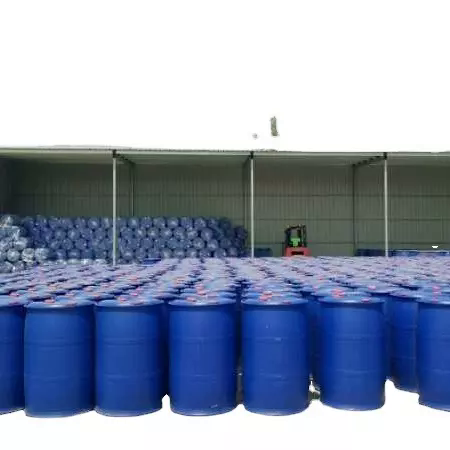 Butyle Acetate 99%View Details
 -
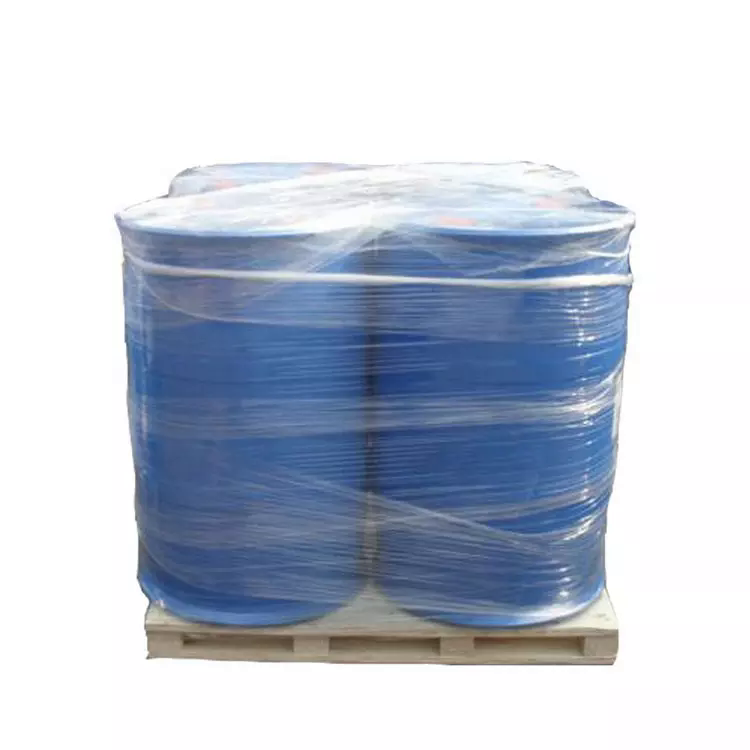 Butyl Acetate 99%View Details
 -
 N Butyl Acetate CASView Details
 -
Butyl Acetate CASView Details
-
N Butyl Acetate CASView Details