
Angiontensin(1-7)
- CAS NO.:1620458-09-4
- Empirical Formula: C22H22FN5O7
- Molecular Weight: 487.44
- MDL number: MFCD30489455
- Update Date: 2026-09-15 17:54:07

What is Angiontensin(1-7)?
Description
In 2014, Gregory S. Basarab and co-inventors at the AstraZeneca lab in Waltham, MA, filed a US patent application titled “Compounds and Methods for Treating Bacterial Infections”. The compounds of the invention were derivatives of spiro(isoxazolo[4,5-g][oxazino[4,3-a]quinolinepyrimidine)trione. Among the derivatives, there was a compound, AZD0914, that came to be known as zoliflodacin.
The vague title of the application belies its specific purpose: to identify potential drugs to combat multidrug-resistant infectious bacteria. In the background section of the application, the inventors state, “[A]ccording to the Infectious Disease Society of America, methicillin-resistant Staphylococcus aureus (MRSA) kills more Americans every year than emphysema, HIV/AIDS, Parkinson''s disease, and homicide combined.” They go on to list several examples of bacteria that had become drug-resistant at the time.
Among the listed bacteria is Neisseria gonorrhoeae, the Gram-negative species that is responsible for the sexually transmitted disease gonorrhea. Zoliflodacin, an inhibitor of DNA gyrase (a subclass of bacterial topoisomerase) is particularly effective for treating this disease. This year, John P. Mueller and co-workers at Entasis Therapeutics (the spinoff from AstraZeneca Waltham) and Antimicrobial Development Specialists (Nyack, NY) published a full report of the development, activity, mode of action, and Phase 1 and 2 clinical trials of zoliflodacin.
The authors also announced the beginning of a Phase 3 trial on ≈1000 subjects this year. The trial is expected to be completed in 2021.
The Uses of Angiontensin(1-7)
Zoliflodacin, is a spiropyrimidinetrione bacterial DNA gyrase/topoisomerase inhibitor, and has in vitro antibacterial activity against Gram-positive and Gram-negative organisms, including S. aureus.
Properties of Angiontensin(1-7)
| Melting point: | not reported |
| Density | 1.61±0.1 g/cm3(Predicted) |
| storage temp. | Store at -20°C |
| solubility | DMSO: 25 mg/ml; Ethanol: 25 mg/ml |
| solubility | 0.6 g/l (est.) |
| appearance | solid |
| pka | 10.44±0.60(Predicted) |
| form | A solid |
| color | White to off-white |
Safety information for Angiontensin(1-7)
Computed Descriptors for Angiontensin(1-7)
New Products
2-(2-Chlorophenyl)glycine Propiolic Acid 1-(3-Hydroxy-4-methoxyphenyl)-2-nitroethene (±)-amino(2-fluorophenyl)acetic acid trans-3-Benzyloxy-4-methoxy-beta-nitrostyrene 1-Pentadecanol 4-(4-Αminophenyl)-3-Morpholinone 3-Morpholino-1-(4-(2-oxopiperidin-1-yl) phenyl)-5,6-dihyropyridin-2-(1H)-one 1-(4-Aminophenyl)-3-morpholino-5,6-dihydropyridin-2(1H)-one N-cyanoacetylurethane 1H-IndazoleRelated products of tetrahydrofuran


You may like
-
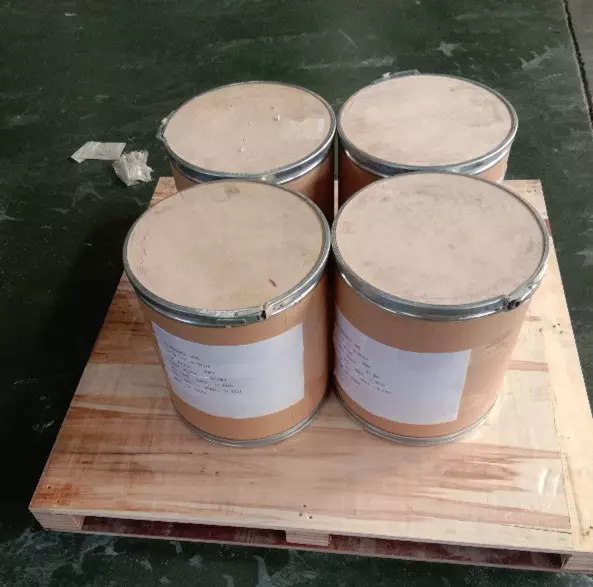 1620458-09-4 Zoliflodacin 98%View Details
1620458-09-4 -
 471-25-0 Propiolic Acid 98+View Details
471-25-0 -
84145-28-8 98+View Details
84145-28-8 -
trans-3-Benzyloxy-4-methoxy-beta-nitrostyrene 98+View Details
63909-29-5 -
2-(2-Chlorophenyl)glycine 88744-36-9 98+View Details
88744-36-9 -
40216-83-9 trans-4-Hydroxy-L-proline methyl ester hydrochloride 98+View Details
40216-83-9 -
629-76-5 98+View Details
629-76-5 -
1-(3-Hydroxy-4-methoxyphenyl)-2-nitroethene 98+View Details
39816-35-8