
5-propylbenzene-1,3-diol
- CAS NO.:500-49-2
- Empirical Formula: C9H12O2
- Molecular Weight: 152.19
- MDL number: MFCD10686919
- EINECS: 000-000-0
- SAFETY DATA SHEET (SDS)
- Update Date: 2026-04-24 14:59:10
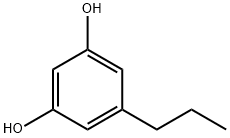
What is 5-propylbenzene-1,3-diol?
Description
A White to Brown crystalline solid.
Description
5-propylbenzene-1,3-diol (5-PBD) is a naturally occurring compound found in several plant species, including the common garden plant, the rose. 5-PBD has been found to possess antifungal, antiviral, anticonvulsant, and anti-inflammatory properties, and has been shown to inhibit the growth of several species of fungi, including Candida albicans and Trichophyton mentagrophytes. Additionally, it has been reported to inhibit the oxidation of lipids in cell cultures.
The Uses of 5-propylbenzene-1,3-diol
5-Propylbenzene-1,3-diol is an intermediate used to prepare Cannabigerovarin (C175140) which stimulates thermosensitive transient receptor potential (TRP) channels of vanilloid type-4 (TRPV4)-mediated [Ca2+]i with moderate-high efficacy (30-60% of the effect of ionomycin) and potency (EC50 0.9-6.4 μM),
Definition
ChEBI: Divarinol is a 5-alkylresorcinol in which the alkyl group is specified as propyl. It has a role as a semiochemical, a fungal metabolite, a lichen metabolite and an animal metabolite.
Mechanism of action
5-Propyl-1,3-benzenediol acts by inhibiting the activity of certain enzymes involved in the synthesis of fungal cell wall components, such as β-glucan and chitin, and other enzymes involved in the synthesis of viral proteins, such as reverse transcriptase and protease.
Synthesis
In a 100 mL round bottom flask, open to the atmosphere was added the crude product Benzene, 1,3-dimethoxy-5-propyl (0.736 g, 4.08 mmol, 1.0 equiv.) and a 1:1 mixture of glacial acetic acid (20 mL, 349.7 mmol, 17.4 M) and hydrobromic acid (48% in H2O, 20 mL, 368.3 mmol, 18.4 M). The reaction mixture was refluxed at 125 °C for 3 hours while stirring, or until the starting material was consumed via TLC analysis. At this point, the reaction was allowed to cool to room temperature and quenched by the addition of DI H2O. The biphasic solution was added to a separatory funnel, wherein the organic portion was extracted Et2O (ca. 3x 20 mL). The organic layers were then combined, neutralized with a concentrated sodium bicarbonate solution (ca. 30 mL), washed with a saturated brine solution (ca. 50 mL), dried over MgSO4, filtered, and concentrated in vacuo to afford the final product without 5-Propyl-1,3-benzenediol (5-propylbenzene-1,3-diol) (0.609 g, 99% yield) as a pale yellow oil.
Solubility in organics
5-Propyl-1,3-benzenediol is soluble in N,N-dimethylformamide, soluble in methanol, slightly soluble in glacial acetic acid, very slightly soluble in chloroform, almost insoluble in water.
Properties of 5-propylbenzene-1,3-diol
| Melting point: | 82.8°C |
| Boiling point: | 234.66°C (rough estimate) |
| Density | 1.0505 (rough estimate) |
| refractive index | 1.4024 (estimate) |
| solubility | DMF: 2 mg/ml; DMSO: 2 mg/ml; Ethanol: 5 mg/ml; PBS (pH 7.2): 1 mg/ml |
| form | A crystalline solid |
| pka | 9.56±0.10(Predicted) |
Safety information for 5-propylbenzene-1,3-diol
| Signal word | Warning |
| Pictogram(s) |
 Exclamation Mark Irritant GHS07 |
| GHS Hazard Statements |
H315:Skin corrosion/irritation H319:Serious eye damage/eye irritation H335:Specific target organ toxicity, single exposure;Respiratory tract irritation |
| Precautionary Statement Codes |
P261:Avoid breathing dust/fume/gas/mist/vapours/spray. P271:Use only outdoors or in a well-ventilated area. P280:Wear protective gloves/protective clothing/eye protection/face protection. |
Computed Descriptors for 5-propylbenzene-1,3-diol
5-propylbenzene-1,3-diol manufacturer
ALS India Life Sciences Pvt. Ltd
New Products
3-AMINO-3-(2-FLUORO-PHENYL)-PROPIONIC ACID Pentadecanoic acid Hendecanoic acid 2-AMINO-3-METHYLQUINOLINE HYDROCHLORIDE 3-Hydroxypropionitrile DL-3-Amino-3-(2-methoxyphenyl)propionic acid 5-Bromo-2-Fluoropyridine 2,3-Diamino-5-Chloropyridine 2-Amino-3-Hydroxypyridine 2,6-Diamino Pyridine 4-Amino-2-Chloropyridine 2-Hydroxy-4-Picoline 4-(4-(Dimethylamino)-1-(4-fluorophenyl)-1-hydroxybutyl)-3-(hydroxymethyl)benzonitrile 4-Bromo-3-(ethoxymethyl)benzoic acid 2,4-Dichloro-5-methoxyaniline 4,6-Dichloro-2-(propylthio)pyrimidin-5-amine N2-Isobutyryl-2'-O-methylguanosine 2-chloro-5-methylpyridin-4-amine 4-Bromobenzaldehyde 2-Chloro-6-nitro benzothiazole 2-Amino-4-phenyl-thiazole 4-Chloro-2-methyl quinoline 2-(Chloromethyl) quinazolin-4(3H)-one 5-Phenyl-[1,3,4]-thiadiazol-2-amineYou may like
-
 500-49-2 5-Propylbenzene-1,3-diol 98%View Details
500-49-2 -
 500-49-2 98%View Details
500-49-2 -
500-49-2 5-propylbenzene-1, 3-diol 99.90%View Details
500-49-2 -
2-Bromo-4-nitropyridine-N-oxide 52092-43-0 98%View Details
52092-43-0 -
18979-61-8 98%View Details
18979-61-8 -
4, 4'-Ditolylamine (or) 4,4-Dimethyl Diphenylamine 620-93-9 98%View Details
620-93-9 -
2-Bromo-5-Chloropyridine 98%View Details
40473-01-6 -
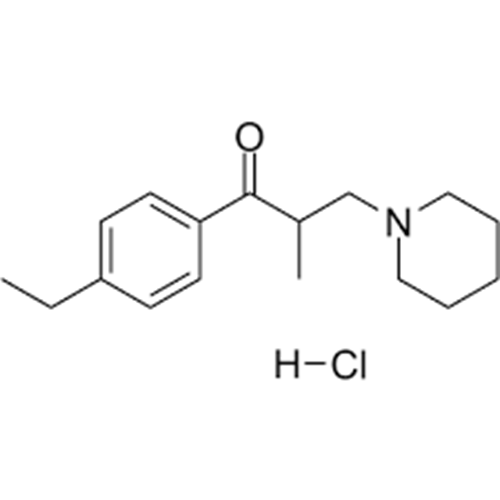 Eperisone Hydrochloride APIView Details
56839-43-1