
3-Acetyloxypregn-16-en-20-one
- CAS NO.:1169-20-6
- Empirical Formula: C23H34O3
- Molecular Weight: 358.51
- SAFETY DATA SHEET (SDS)
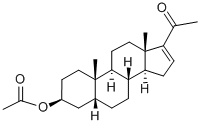
What is 3-Acetyloxypregn-16-en-20-one?
The Uses of 3-Acetyloxypregn-16-en-20-one
(3β,5α)-3-(Acetyloxy)-pregn-16-en-20-one is a Tigogenin derivative used in the synthesis of polyhydroxy steroids; Also, it is an intermediate used in the synthesis of Allopregnenolone (A547105), which acts as a GABAA receptor positive allosteric modulator. It is a metabolite of Progesterone (P755900). s It is also a neuroactive steroid present in the blood and also the brain.
Safety information for 3-Acetyloxypregn-16-en-20-one
New Products
3-AMINO-3-(2-FLUORO-PHENYL)-PROPIONIC ACID Pentadecanoic acid Hendecanoic acid 2-AMINO-3-METHYLQUINOLINE HYDROCHLORIDE 3-Hydroxypropionitrile DL-3-Amino-3-(2-methoxyphenyl)propionic acid 2-Bromo-5-Iodopyridine 2,3-Diamino-5-Chloropyridine 2-Amino-3-Hydroxypyridine 2,6-Diamino Pyridine 4-Amino-2-Chloropyridine 2-Hydroxy-4-Picoline 4-(4-(Dimethylamino)-1-(4-fluorophenyl)-1-hydroxybutyl)-3-(hydroxymethyl)benzonitrile 2-Hydroxy-5-methoxybenzoic acid 2-Cyanopyrimidine Xanthene-9-carboxylic acid 4,4-Diethoxybutanenitrile Methyl 4-amino-2,3-difluoro-5-nitrobenzoate 5-fluoro-1,3-benzodioxole 5-Phenyl-[1,3,4]-thiadiazol-2-amine 2-Chloro-6-nitro benzothiazole 4-Chloro-2-methyl quinoline 2-Amino-4-phenyl-thiazole 2-(Chloromethyl) quinazolin-4(3H)-oneRelated products of tetrahydrofuran


You may like
-
 CAS 1169-20-6 3-Acetyloxypregn-16-En-20-OneView Details
1169-20-6 -
 2-Bromo-4-nitropyridine-N-oxide 52092-43-0 98%View Details
52092-43-0 -
18979-61-8 98%View Details
18979-61-8 -
4, 4'-Ditolylamine (or) 4,4-Dimethyl Diphenylamine 620-93-9 98%View Details
620-93-9 -
2-Bromo-5-Chloropyridine 98%View Details
40473-01-6 -
2-Picolinic acid N-oxide 824-40-8 98%View Details
824-40-8 -
2-(2,4-Diaminophenoxy)ethanol Dihydrochloride 98%View Details
66422-95-5 -
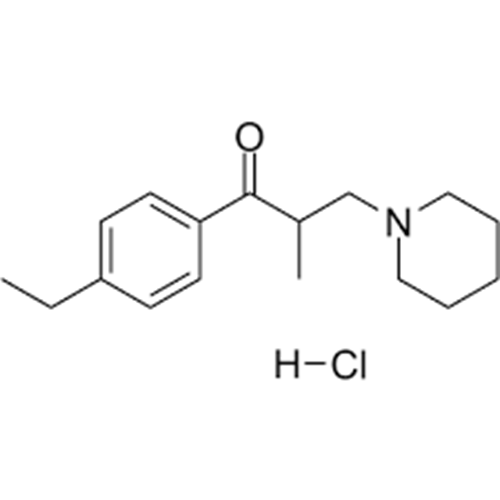 Eperisone Hydrochloride APIView Details
56839-43-1
Statement: All products displayed on this website are only used for non medical purposes such as industrial applications or scientific research, and cannot be used for clinical diagnosis or treatment of humans or animals. They are not medicinal or edible.