
2-Thiopheneboronic acid
Synonym(s):2-Thienylboric acid;2-Thienylboronic acid;Thien-5-ylboronic acid;Thiophene-2-boronic acid
- CAS NO.:6165-68-0
- Empirical Formula: C4H5BO2S
- Molecular Weight: 127.96
- MDL number: MFCD00151850
- EINECS: 612-186-6
- SAFETY DATA SHEET (SDS)
- Update Date: 2026-05-28 05:50:40
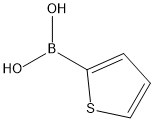
What is 2-Thiopheneboronic acid?
Chemical properties
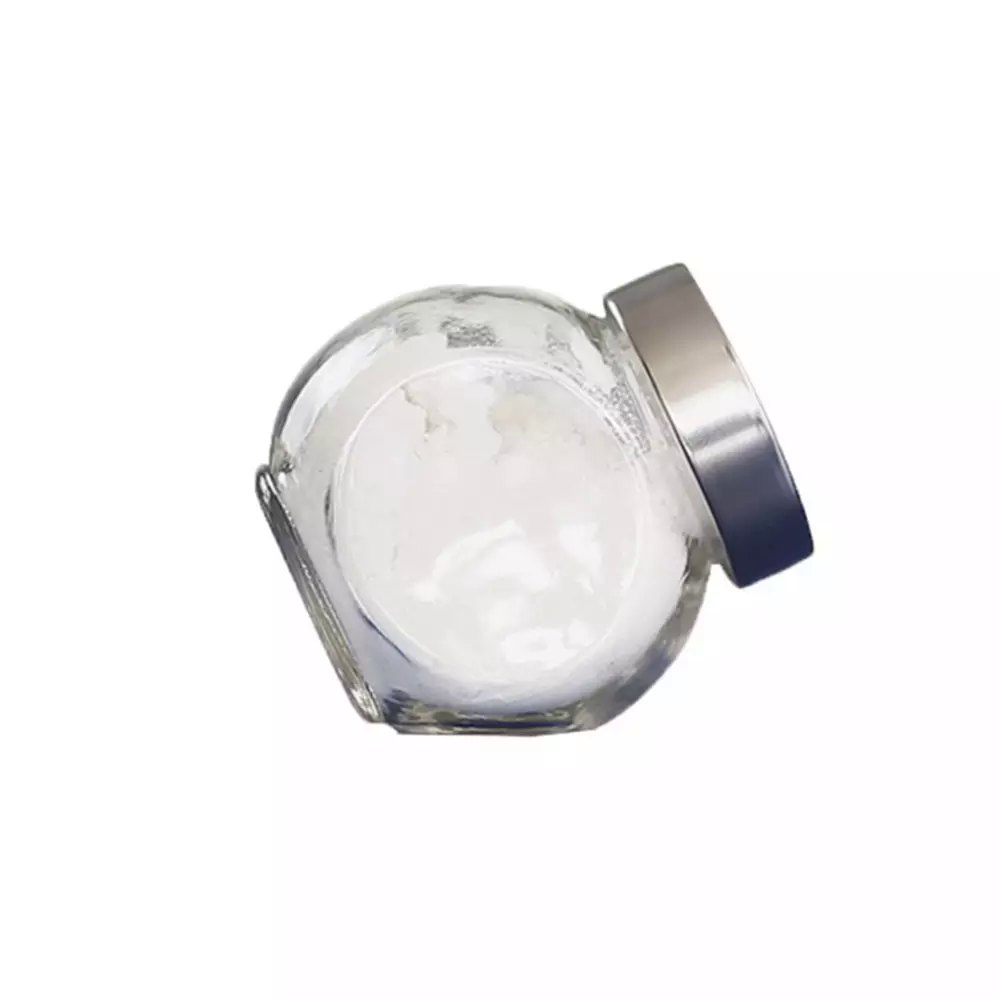
white to light yellow crystal powder
The Uses of 2-Thiopheneboronic acid
2-Thiopheneboronic acid can be used as reagent used for Palladium-catalyzed Suzuki-Miyaura cross-couplings; Alkylation, boration, coupling reaction, Suzuki coupling, and halogenation of fluorenyl bromide ;Chain-growth catalyst transfer polycondensation of conjugated alternating copolymer; Ferric perchlorate-promoted reaction of fullerene to give fullerenyl boronic esters.
The Uses of 2-Thiopheneboronic acid
suzuki reaction
The Uses of 2-Thiopheneboronic acid
2-Thienylboronic Acid is a reagent used for palladium-catalyzed Suzuki-Miyaura cross-couplings. It is also used in preparation of photophysical properties of oxygen-containing polycyclic aromatic triptycenes.
Properties of 2-Thiopheneboronic acid
| Melting point: | 138-140 °C (lit.) |
| Boiling point: | 287.9±32.0 °C(Predicted) |
| Density | 1.32±0.1 g/cm3(Predicted) |
| storage temp. | 2-8°C |
| solubility | Soluble in methanol. |
| form | Powder |
| pka | 8.41±0.53(Predicted) |
| color | Off-white to beige |
| BRN | 112375 |
| Stability: | store cold |
| CAS DataBase Reference | 6165-68-0(CAS DataBase Reference) |
Safety information for 2-Thiopheneboronic acid
| Signal word | Warning |
| Pictogram(s) |
 Exclamation Mark Irritant GHS07 |
| GHS Hazard Statements |
H302:Acute toxicity,oral H315:Skin corrosion/irritation H319:Serious eye damage/eye irritation H335:Specific target organ toxicity, single exposure;Respiratory tract irritation |
| Precautionary Statement Codes |
P261:Avoid breathing dust/fume/gas/mist/vapours/spray. P264:Wash hands thoroughly after handling. P264:Wash skin thouroughly after handling. P270:Do not eat, drink or smoke when using this product. P301+P312:IF SWALLOWED: call a POISON CENTER or doctor/physician IF you feel unwell. P302+P352:IF ON SKIN: wash with plenty of soap and water. P305+P351+P338:IF IN EYES: Rinse cautiously with water for several minutes. Remove contact lenses, if present and easy to do. Continuerinsing. |
Computed Descriptors for 2-Thiopheneboronic acid
| InChIKey | ARYHTUPFQTUBBG-UHFFFAOYSA-N |
2-Thiopheneboronic acid manufacturer
Sainor Laboratories Pvt Ltd Unit III
1Y
Phone:+91-9182033729
Whatsapp: +91-9666644167
product: 2-Thienyl boronic acid 97%
New Products
5-bromo-4-fluoro-2-nitrobenzaldehyde (R)-(-)-2-Amino-1-propanol Cyclobutanone Fmoc-OSu 1-(2-Chloroethyl)pyrrolidine Hydrochloride 2-Amino-2-(4-methylphenyl)acetic acid Obidoxime hydrochloride API Decanoic acid, 2-[4-(phenylmethoxy)phenyl]ethyl ester Piperazine, 1-(3-methoxyphenyl)-, hydrochloride (1:1) 4-Bromo-2,6-difluoroaniline 4 pentyn 1 ol N-Vinylformamide Methacrylate-PEG-Methacrylate, Mn:35000 2,4-Dihydroxyacetophenone 2-Chloro 5-Fluoro Pyridine Vasicinone 2-Chloroisonicotinic Acid Tween 80 or Polysorbate 80 2-Pentyn-1-oL 4-Nitrobenzotrifluoride N-(4-Cyano-3-(trifluoromethyl)phenyl)-2-methyloxirane-2-carboxamide N-(4-fluoro-2-methoxy-5-nitrophenyl)-4-(1-methyl-1H-indol-3-yl)pyrimidin-2-amine Pirtobrutinib intd. 2-Butyn-1-oLRelated products of tetrahydrofuran
![Thiazolo[5,4-c]pyridine](https://img.chemicalbook.in/CAS/GIF/273-75-6.gif)
![2,4-Dihydroxythieno[2,3-d]pyrimidine](https://img.chemicalbook.in/CAS/GIF/18740-38-0.gif)
![Thieno[3,2-b]thiophene](https://img.chemicalbook.in/CAS/GIF/251-41-2.gif)
You may like
-
 6165-68-0 Thiophene-2-boronic Acid 99%View Details
6165-68-0 -
 6165-68-0 98%View Details
6165-68-0 -
 2-Thienylboronic acid 99%View Details
6165-68-0 -
2-Thiopheneboronic Acid (contains varying amounts of Anhydride) CAS 6165-68-0View Details
6165-68-0 -
Thiophene-2-boronic acid, 98% CAS 6165-68-0View Details
6165-68-0 -
Thiophene-2-Boronic Acid CAS 6165-68-0View Details
6165-68-0 -
2-Thienylboronic acid CAS 6165-68-0View Details
6165-68-0 -
2-Thienyl boronic acid 97%View Details
6165-68-0
Statement: All products displayed on this website are only used for non medical purposes such as industrial applications or scientific research, and cannot be used for clinical diagnosis or treatment of humans or animals. They are not medicinal or edible.