
1-Bromo-2-(1-methylethyl)benzene
- CAS NO.:7073-94-1
- Empirical Formula: C9H11Br
- Molecular Weight: 199.09
- MDL number: MFCD00051567
- EINECS: 230-370-0
- SAFETY DATA SHEET (SDS)
- Update Date: 2026-08-28 16:43:43
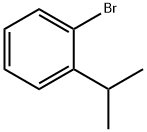
What is 1-Bromo-2-(1-methylethyl)benzene?
Synthesis
1-Bromo-2-(1-methylethyl)benzene is synthesised using 1-bromo-2-isopropenylbenzene as a raw material by chemical reaction. The specific synthesis steps are as follows:
General procedure: The mixture of S-3 (1 equivalent), TsNHNH2 (5 equivalent), NaOAc·3H2O (5equivalent), and THF (0.3 M) were heated at reflux for 24 h. When the reaction wascomplete as determined by TLC, cooling to room temperature and adding H2O. Thecrude mixture was extracted with EtOAc (3x20 mL) and the combined organicextracts were washed with brine, dried over anhydrous Na2SO4, and concentrated invacuo. The crude was then purified by column chromatography (Petroleum ether) onsilicagel to give 1-Bromo-2-(1-methylethyl)benzene as a colorless oil.
Properties of 1-Bromo-2-(1-methylethyl)benzene
| Melting point: | -58.8°C |
| Boiling point: | 90 °C |
| Density | 1.30 |
| refractive index | 1.5410 |
| Flash point: | 90-92°C/15mm |
| storage temp. | Sealed in dry,Room Temperature |
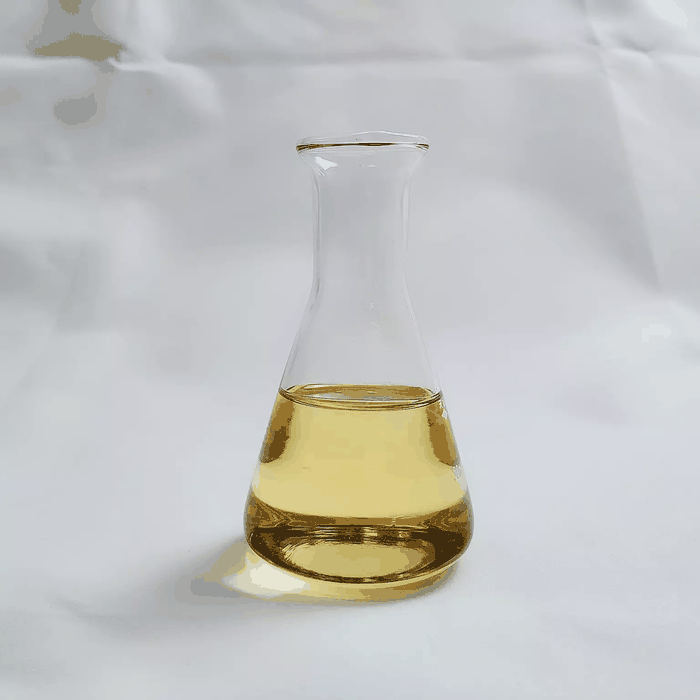
| form | clear liquid |
| Specific Gravity | 1.30 |
| color | Colorless to Light orange to Yellow |
| Water Solubility | Insoluble in water. |
| BRN | 1857014 |
| InChI | InChI=1S/C9H11Br/c1-7(2)8-5-3-4-6-9(8)10/h3-7H,1-2H3 |
| CAS DataBase Reference | 7073-94-1(CAS DataBase Reference) |
| NIST Chemistry Reference | Benzene, 1-bromo-2-(1-methylethyl)-(7073-94-1) |
Safety information for 1-Bromo-2-(1-methylethyl)benzene
| Signal word | Warning |
| Pictogram(s) |
 Exclamation Mark Irritant GHS07  Environment GHS09 |
| GHS Hazard Statements |
H227:Flammable liquids H315:Skin corrosion/irritation H319:Serious eye damage/eye irritation H401:Hazardous to the aquatic environment, acute hazard H411:Hazardous to the aquatic environment, long-term hazard |
| Precautionary Statement Codes |
P210:Keep away from heat/sparks/open flames/hot surfaces. — No smoking. P264:Wash hands thoroughly after handling. P264:Wash skin thouroughly after handling. P280:Wear protective gloves/protective clothing/eye protection/face protection. P321:Specific treatment (see … on this label). P305+P351+P338:IF IN EYES: Rinse cautiously with water for several minutes. Remove contact lenses, if present and easy to do. Continuerinsing. P332+P313:IF SKIN irritation occurs: Get medical advice/attention. P337+P313:IF eye irritation persists: Get medical advice/attention. P403+P235:Store in a well-ventilated place. Keep cool. P501:Dispose of contents/container to..… |
Computed Descriptors for 1-Bromo-2-(1-methylethyl)benzene
| InChIKey | LECYCYNAEJDSIL-UHFFFAOYSA-N |
New Products
2-(2-Chlorophenyl)glycine Propiolic Acid 1-(3-Hydroxy-4-methoxyphenyl)-2-nitroethene (±)-amino(2-fluorophenyl)acetic acid trans-3-Benzyloxy-4-methoxy-beta-nitrostyrene 1-Pentadecanol 4-(4-Αminophenyl)-3-Morpholinone 3-Morpholino-1-(4-(2-oxopiperidin-1-yl) phenyl)-5,6-dihyropyridin-2-(1H)-one 1-(4-Aminophenyl)-3-morpholino-5,6-dihydropyridin-2(1H)-one N-cyanoacetylurethane 1H-IndazoleRelated products of tetrahydrofuran

You may like
-
 7073-94-1 2-BROMO ISO PROPYL BENZENE 98%View Details
7073-94-1 -
 2-Bromocumene CAS 7073-94-1View Details
7073-94-1 -
1-BROMO-2-ISOPROPYLBENZENE CAS 7073-94-1View Details
7073-94-1 -
471-25-0 Propiolic Acid 98+View Details
471-25-0 -
84145-28-8 98+View Details
84145-28-8 -
2-(2-Chlorophenyl)glycine 88744-36-9 98+View Details
88744-36-9 -
40216-83-9 trans-4-Hydroxy-L-proline methyl ester hydrochloride 98+View Details
40216-83-9 -
1-(3-Hydroxy-4-methoxyphenyl)-2-nitroethene 98+View Details
39816-35-8
Statement: All products displayed on this website are only used for non medical purposes such as industrial applications or scientific research, and cannot be used for clinical diagnosis or treatment of humans or animals. They are not medicinal or edible.